

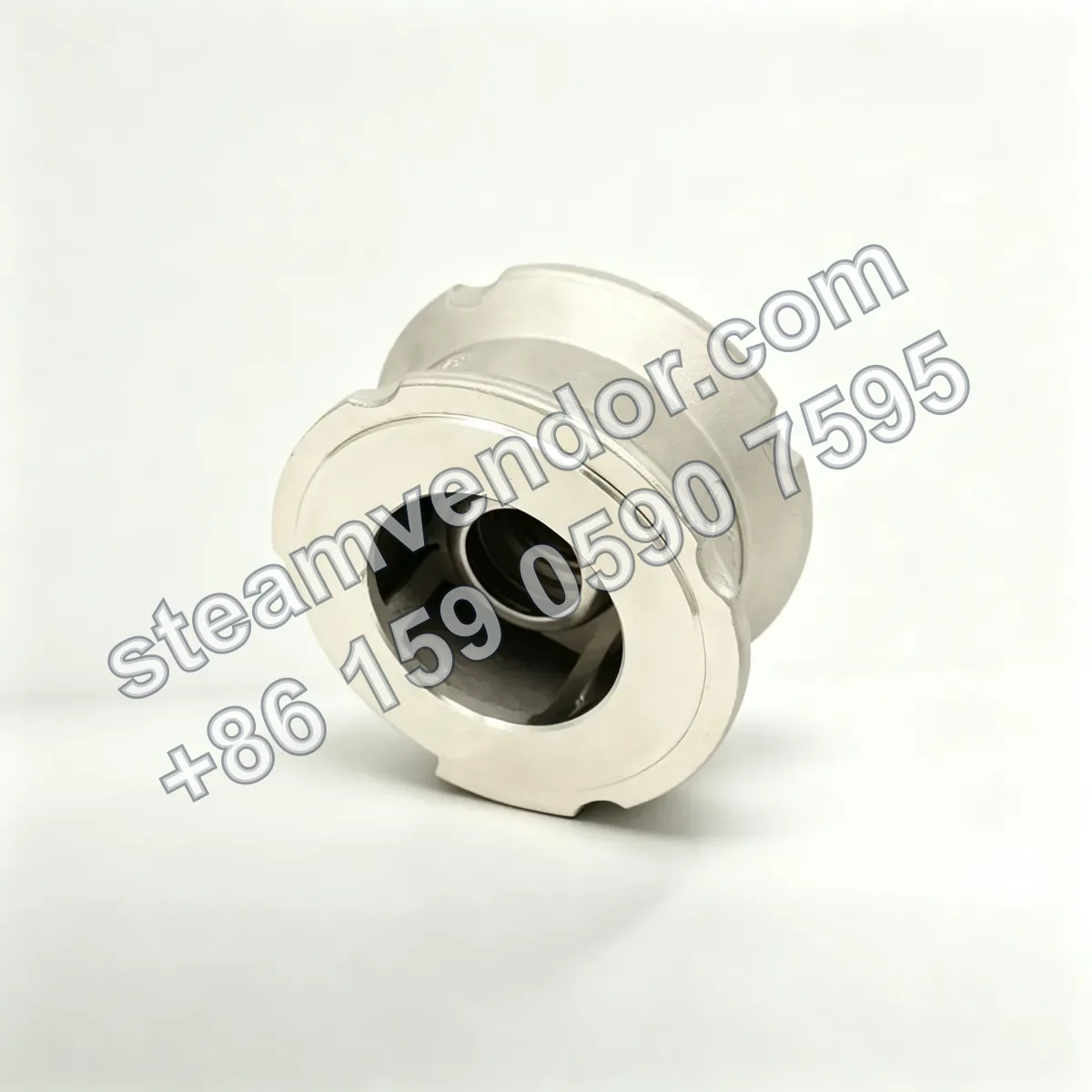
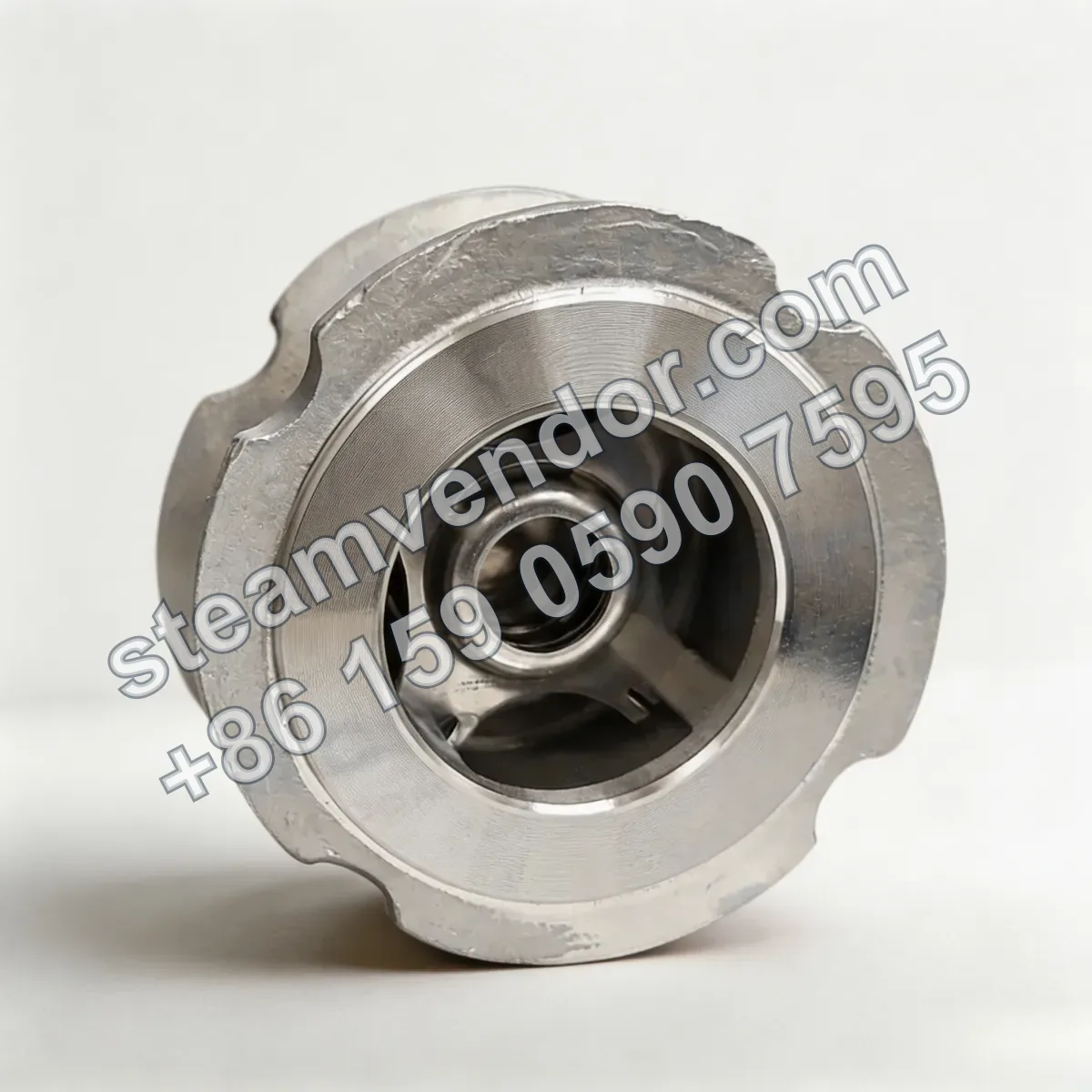
The Spirax Sarco DCV4 is a stainless steel wafer-type disc check valve installed between ANSI Class 150 or Class 300 flanges, suitable for DN15 to DN100 pipelines. The valve body is made of CF3M stainless steel, with a maximum allowable temperature of 400°C and a choice of metal, Viton, or EPDM seats. It is suitable for preventing backflow in steam, condensate, hot water, air, process gas, and oil pipelines.
DCV4 Product Image 1
1 / 2
Spirax Sarco DCV4 Stainless Steel Wafer-Type Disc Check Valve
Stainless steel wafer-type disc check valve for preventing backflow in steam, condensate, and hot water pipelines, with optional soft seats.
Genuine product assurance
We can help verify product data and purchasing details.
Model confirmation
Confirm model, connection and key options before ordering.
After-sales support
After-sales communication support is provided according to the order agreement.
Specifications
- Valve Design
- Wafer-type disc check valve
- Connection Type
- Installed between ANSI Class 150 or Class 300 flanges
- Nominal Diameter
- DN15, DN20, DN25, DN40, DN50, DN80, DN100
- Face-to-Face Dimension Standard
- EN 558 Part 2, Series 52
- Maximum Operating Pressure
- 49 bar g @37°C
- Maximum Allowable Temperature
- 400°C @29 bar g
- Operating Temperature
- Standard spring: 300°C @31.5 bar g; high-temperature spring or no spring: 400°C @29 bar g
- Minimum Operating Temperature
- -29°C (standard disc)
- Valve Body Material
- Austenitic stainless steel ASTM A351 CF3M
- Disc Material
- Austenitic stainless steel ASTM A276 316
- Seat Options
- Metal seat; Viton soft seat (oil, gas, air); EPDM soft seat (water)
- Soft Seat Temperature Range
- Viton: -15°C to +250°C; EPDM: -29°C to +150°C
- Flow Coefficient Kv
- DN15: 4.4; DN20: 7.5; DN25: 12; DN40: 26; DN50: 39; DN80: 84; DN100: 150
- Cracking Pressure
- Standard/high-temperature spring: horizontal flow 22.5–26.5 mbar, upward flow 25–33 mbar, downward flow 20 mbar; no spring, upward flow 2.5–6.5 mbar
- Installation Orientation
- Spring-loaded versions can be installed in any orientation; springless versions are limited to vertical pipelines with bottom-to-top flow
- Leakage Class
- DIN 3230 Part 3 BN2; optional B03; soft seats can meet BN1 and B01 under differential pressure
- Material Certificate
- EN 10204 3.1
- Pressure Equipment Compliance
- 97/23/EC
Application scenarios
Backflow Prevention in Steam Distribution and Process Steam Pipelines
DCV4 can be installed in steam pipelines using ANSI Class 150 or Class 300 flanges to prevent reverse steam flow during system differential-pressure changes or shutdowns. The standard metal seat configuration is suitable for steam systems.
Backflow Prevention in Condensate Recovery and Transfer Lines
DCV4 can be used in condensate system pipelines and installed between ANSI Class 150 or Class 300 flanges to prevent condensate from flowing back upstream during differential-pressure changes, shutdowns, or increased downstream pressure.
One-Way Check in Hot Water Circulation Systems
DCV4 can be used at circulation pump outlets or associated pipe sections in hot water systems to limit reverse hot water flow when pumps are shut down or branch differential pressures change. An EPDM soft seat is available for water systems.
One-Way Isolation in Industrial Air and Process Gas Pipelines
DCV4 can be used in compressed air and process gas pipelines, installed between ANSI Class 150 or Class 300 flanges, to maintain one-way medium flow and isolate downstream back pressure. A Viton soft seat is available for these media.
Backflow Prevention in Oil Transfer Pipelines
DCV4 can be used in oil transfer pipelines to prevent medium backflow when pumps are shut down or downstream back pressure occurs. Oil applications can use a Viton soft seat, and the valve can be installed between ANSI Class 150 or Class 300 flanges.
Selection points
Seat Material and Leakage Class Selection
Available with a metal seat, fluororubber soft seat, or EPDM soft seat. The fluororubber soft seat is suitable for oil, gas, and air, while the EPDM soft seat is suitable for water systems. The metal seat leakage class is DIN 3230 Part 3 BN2, with B03 available as an option; soft seats can meet BN1 and B01 under differential pressure.
High-Temperature Applications Require a Matching Spring Version
The valve's maximum allowable temperature is 400°C@29 bar g, while the standard spring operating temperature is 300°C@31.5 bar g. For operation at 400°C@29 bar g, select the high-temperature spring or springless configuration.
Spring Configuration Determines Installation Orientation and Cracking Pressure
Models with a standard or high-temperature spring can be installed in any orientation. Springless models are limited to vertical pipelines with upward flow. The cracking pressure for upward flow in springless models is 2.5-6.5 mbar, lower than the 25-33 mbar for upward flow in spring-loaded models.
Wafer Design Compatible with ANSI Flanges
DCV4 is a wafer-type disc check valve with a face-to-face dimension compliant with EN 558 Part 2 Series 52. It can be installed between ANSI Class 150 or Class 300 flanges.
Installation & maintenance notes
Installation Orientation Restrictions for Springless Models
Springless DCV4 models may only be installed in vertical pipelines with media flowing upward. Models with a standard or high-temperature spring can be installed in any orientation.
Match Soft Seat Material to the Medium
Fluororubber soft seats are used for oil, gas, and air applications, while EPDM soft seats are used for water system applications.
Control Operating Temperature According to the Selected Configuration
During installation and selection, ensure that the actual operating temperature does not exceed the applicable temperature limits of the selected spring and soft seat. The standard spring temperature limit is 300°C, and the upper temperature limit for EPDM soft seats is 150°C.
FAQ
What is the operating principle of the DCV4 disc check valve?
DCV4 opens when fluid pressure pushes the disc open. As flow decreases and before fluid reverses direction, spring force closes the valve to provide non-return protection.
What systems is DCV4 suitable for?
DCV4 can be used in a range of fluid applications, including process pipelines, hot water systems, and steam and condensate systems. The standard product has a metal seat and is primarily intended for steam systems; for oil, air, gas, and water systems, the appropriate seat can be selected according to actual operating conditions.
What should be considered when installing DCV4?
DCV4 should be installed according to the flow-direction arrow on the valve body. Spring-loaded valves can be installed in any orientation; when a springless valve is installed in a vertical pipeline, flow must be from bottom to top. Flanges, bolts, and nuts must be supplied by the installer.
How should the DCV4 spring and seat be selected for operating conditions?
The standard spring is suitable for general operating conditions; the high-temperature spring can be used at higher temperatures; and the springless version is suitable for applications requiring lower cracking pressure. For seats, the Viton soft seat is suitable for oil, gas, and air applications, while the EPDM soft seat is suitable for water systems. The specific configuration should be confirmed according to the actual model and application conditions.
Which parameters should be verified when selecting DCV4?
Key selection parameters include nominal diameter, flange class, temperature, pressure, and medium type. DCV4 is available from DN15 to DN100 and can be installed between ANSI 150 or 300 flanges; its pressure, temperature, and seat applicability must be confirmed against actual operating conditions.