

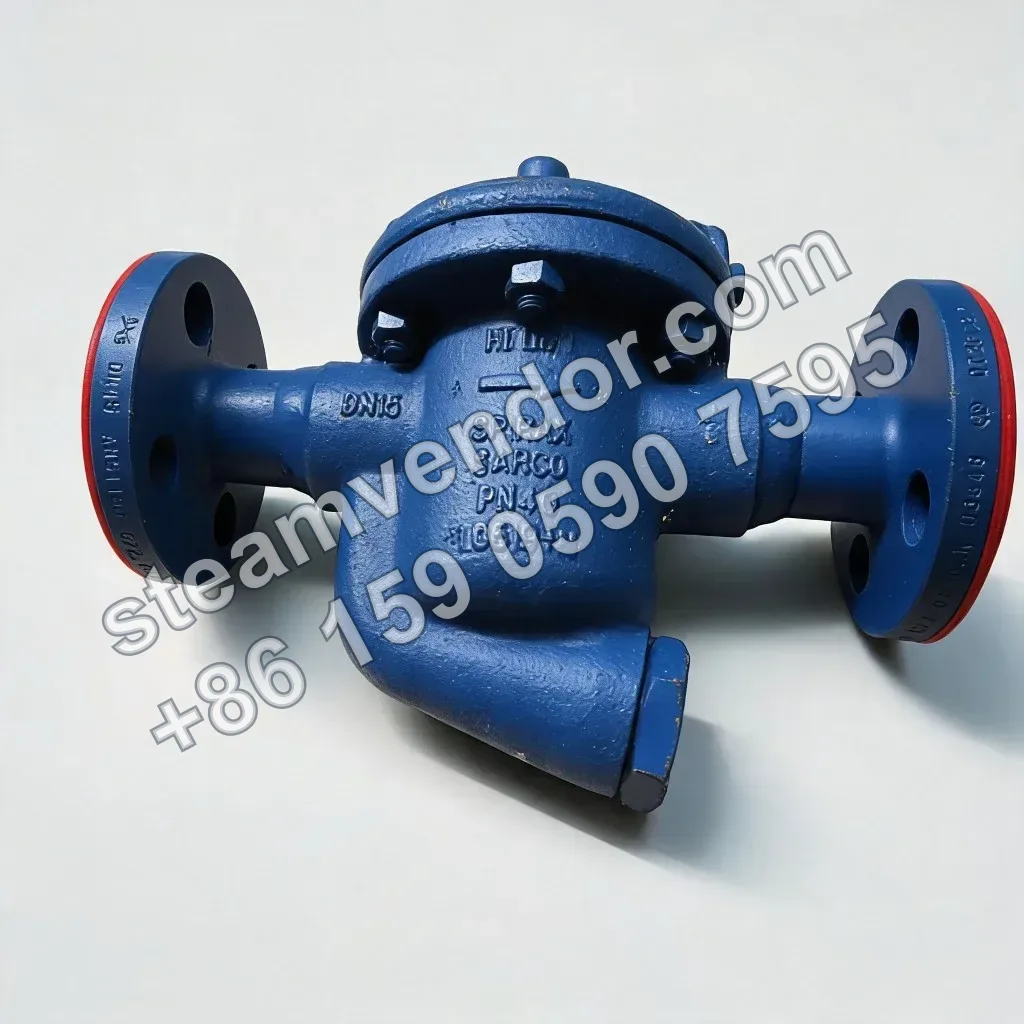
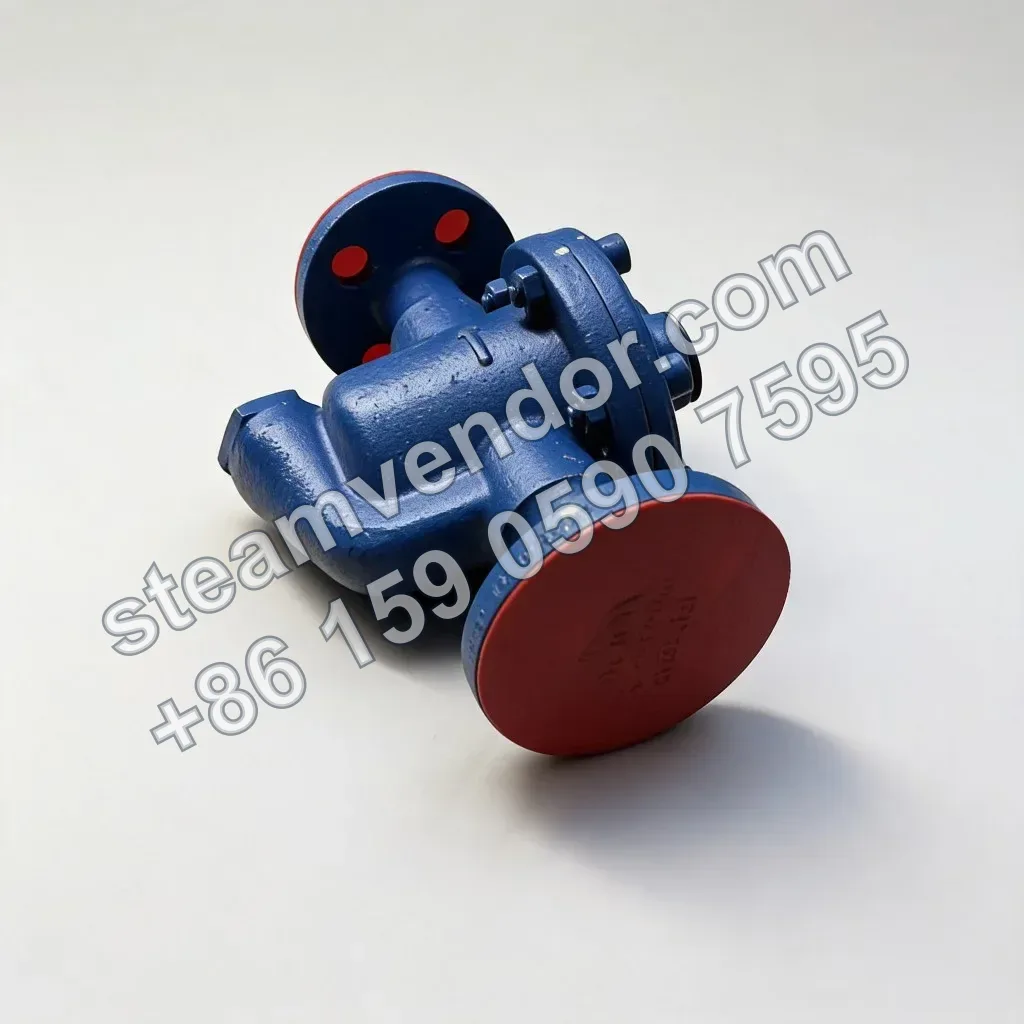
The Spirax Sarco HM34 is a cast steel inverted bucket steam trap with an integral stainless steel strainer, designed for horizontal installation. The valve body is made of cast steel, with a maximum operating pressure of 32 bar g and a maximum operating temperature of 300°C under saturated steam conditions. Threaded, socket weld, and flanged connection options are available. It is suitable for draining condensate from low points in steam mains and from the outlets of steam-heated equipment.
Spirax Sarco HM34 inverted bucket steam trap, front product image
1 / 2
HM34 Steel-Bodied Inverted Bucket Steam Trap | Spirax Sarco
Steel-bodied inverted bucket steam trap with an integral stainless steel strainer, designed for drip drainage at low points in steam mains and condensate discharge from steam-heated equipment.
Genuine product assurance
We can help verify product data and purchasing details.
Model confirmation
Confirm model, connection and key options before ordering.
After-sales support
After-sales communication support is provided according to the order agreement.
Specifications
- Product type
- Inverted bucket steam trap
- Built-in strainer
- Yes
- Installation orientation
- Horizontal installation
- Body material
- Cast steel 1.0619 +N
- Bucket material
- Stainless steel BS 1449 304 S31
- Seat material
- Stainless steel AISI 440B
- Valve disc material
- Stainless steel AISI 440B
- Strainer material
- Stainless steel ASTM A240 316L
- Maximum allowable pressure
- 40 bar g @ 120°C
- Maximum allowable temperature
- 300°C
- Minimum allowable temperature
- -10°C
- Maximum operating pressure with saturated steam
- 32 bar g
- Maximum operating temperature
- 300°C
- Minimum operating temperature
- 0°C
- Design hydrostatic test pressure
- 60 barg
- Connection type
- BSP/NPT threaded; socket weld BS 3799 Class 300; flanged EN 1092 PN40 (optional ANSI 150/ANSI 300)
- Connection sizes
- 1/2", 3/4", 1" (threaded/socket weld); DN15, DN20, DN25 (flanged)
- Certifications
- European Pressure Equipment Directive 97/23/EC; EN 10204 2.2
Application scenarios
Condensate drainage at low points in steam mains
Used to discharge condensate formed during steam transport from low points in steam mains or from drain branches. The HM34 is a horizontally installed inverted bucket steam trap with a built-in strainer and a maximum operating pressure of 32 bar g with saturated steam.
Condensate discharge from steam-heated equipment
Used to discharge condensate formed after heat exchange from the condensate outlet of steam-heated equipment. The HM34 is an inverted bucket steam trap suitable for saturated steam pressures up to 32 bar g and operating temperatures up to 300°C.
Selection points
Built-in stainless steel strainer
The product is equipped with a built-in strainer made of stainless steel ASTM A240 316L.
Cast steel valve body and stainless steel internal components
The valve body is made of cast steel 1.0619 +N, the inverted bucket is made of stainless steel BS 1449 304 S31, and the valve seat and valve disc are made of stainless steel AISI 440B.
Saturated steam operating pressure and temperature limits
Under saturated steam conditions, the maximum operating pressure is 32 bar g and the maximum operating temperature is 300 °C.
Multiple connection types and size range
Available connections include BSP/NPT threaded, socket weld to BS 3799 Class 300, and flanged to EN 1092 PN40. ANSI 150/ANSI 300 flanges are also available. Threaded and socket-weld sizes are 1/2 inch, 3/4 inch, and 1 inch. Flanged sizes are DN15, DN20, and DN25.
Horizontal installation requirement
The unit must be installed horizontally.
Installation & maintenance notes
Install horizontally with the valve body upright
HM34 should be installed on a horizontal pipeline with the valve body upright, allowing the inverted bucket to move vertically. Installation at an angle or upside down will affect bucket operation and condensate drainage.
Install below the drainage point and maintain the water seal
HM34 should be installed below the drainage point of the equipment being drained to maintain the internal water seal. If the water seal is not maintained, steam may pass directly through the trap, resulting in steam loss and ineffective condensate drainage.
Fill with water before admitting steam to establish the water seal
Filling the valve body with water before admitting steam establishes the initial water seal and prevents steam from blowing directly through the trap. Failure to establish the water seal may result in steam leakage.
Maintain the built-in strainer, valve disc, and valve seat
Clean the built-in strainer and inspect components such as the valve disc and valve seat. Replace the valve disc, valve seat, and other spare parts if wear or damage is found.
FAQ
How does the HM34 inverted bucket steam trap work?
The HM34 uses an inverted bucket mechanism and a water seal generated by steam inside the body to provide automatic discharge. Its built-in strainer prevents particles from entering the system. When installed horizontally, the bucket moves vertically to separate condensate from steam and discharge the condensate.
What are the operating pressure and temperature ranges of the HM34?
The body is designed for a maximum operating pressure of 40 bar(g) @ 120°C, a maximum operating temperature of 300°C, and a minimum operating temperature of 0°C. Under PN40 conditions, the maximum saturated steam pressure is 32 bar(g). The exact configuration must be confirmed against the actual model.
What sizes and connection types are available for this valve?
Available sizes include 1/2", 3/4", and 1" with BSP/NPT threaded connections, as well as DN15, DN20, and DN25 with EN1092 PN40 flanged connections. DN25 socket weld connections to BS 3799 Class 300 are also available. ANSI 150/300 flanges are optional.
What certificates and conformity documents are available for the HM34?
The product complies with the European Pressure Equipment Directive 97/23/EC and can be supplied with an EN 10204 2.2 certificate. Certificate requirements should be specified when ordering.
How should the HM34 be selected and installed to ensure performance and maintain the water seal?
During installation, the valve body should be vertical, with the bucket moving vertically and the inlet and outlet positioned horizontally. The steam trap should be installed below the drainage point to maintain the water seal. Selection should be based on the size, connection type, and design conditions, subject to confirmation against the actual model.