

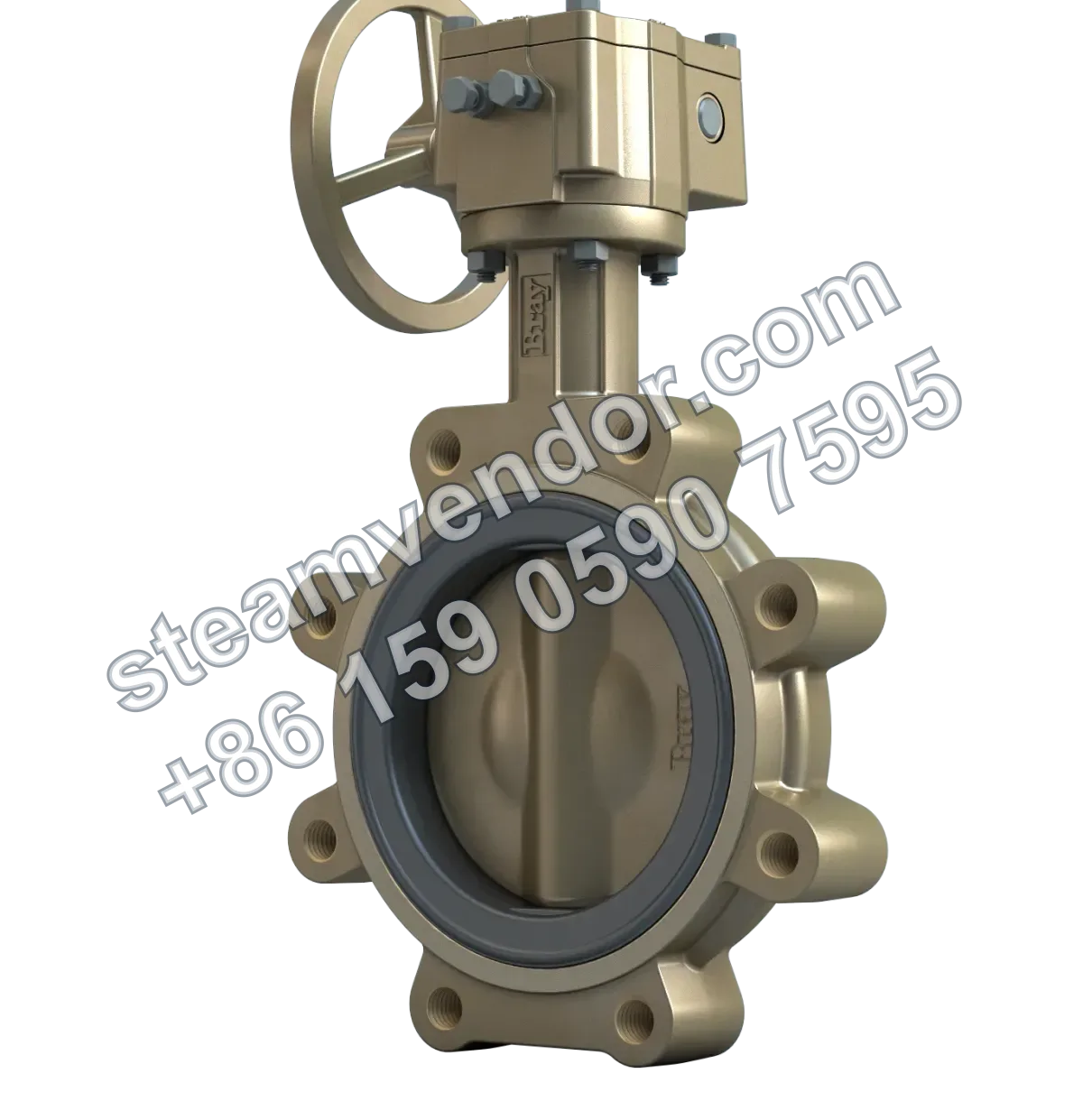
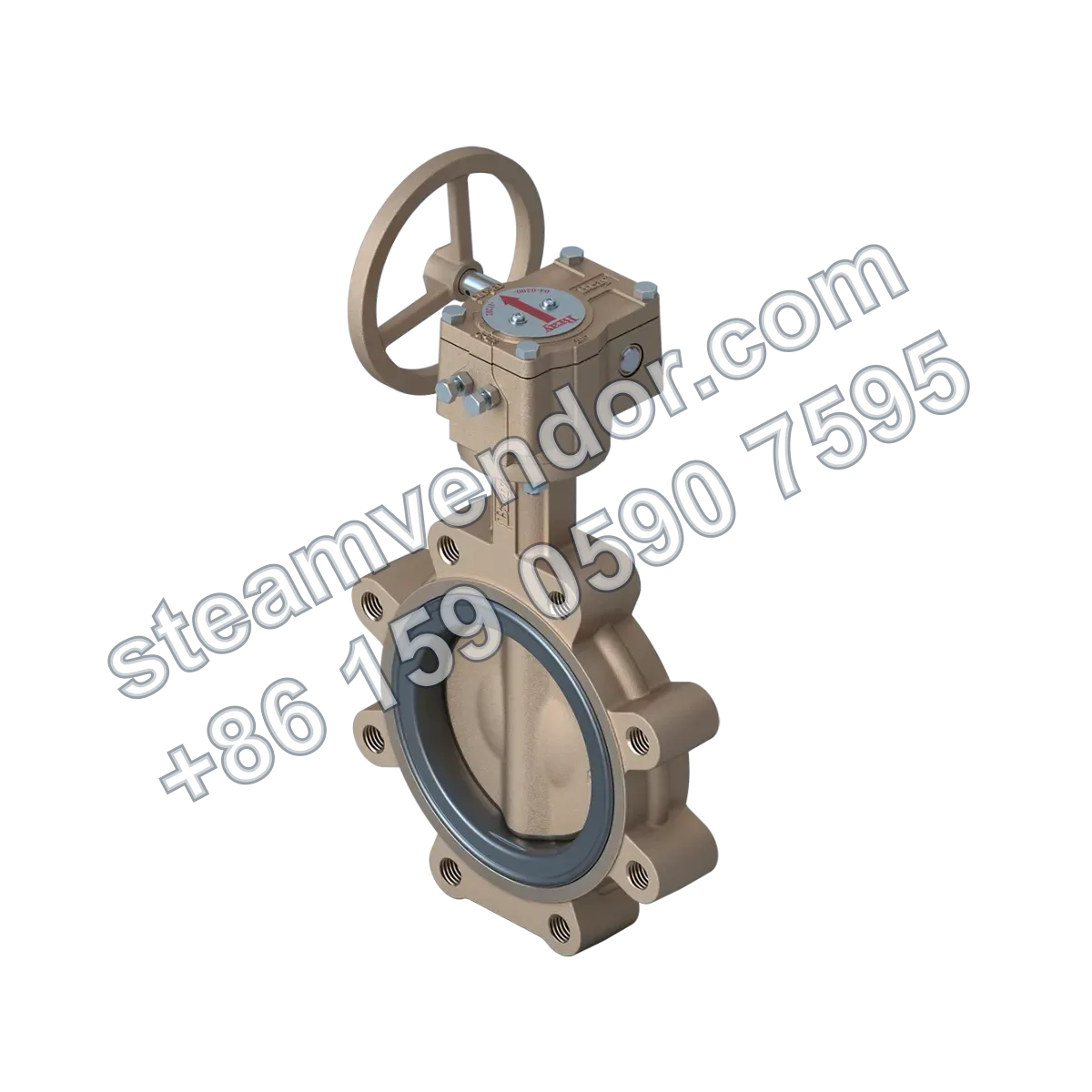
Bray Series 31U lug-type resilient-seated butterfly valves are designed for industrial fire water systems, with nominal sizes from NPS 2 to 12 (DN 50 to 300) and a maximum allowable operating pressure of 285 psi (20 bar). The valves feature a bonded BUNA-N resilient seat that provides bidirectional bubble-tight shutoff and can be directly fitted with manual, electric, or pneumatic actuators. They are suitable for onshore facilities, offshore platforms, and marine fire water piping for on-off control and isolation.
Series 31U Resilient-Seated Butterfly Valve Features
1 / 3
Bray 31U Series Lug-Type Resilient-Seated Butterfly Valve (for Industrial Fire Protection)
Lug-type resilient-seated butterfly valve for isolation in industrial and marine fire water piping, providing bidirectional bubble-tight shutoff.
Genuine product assurance
We can help verify product data and purchasing details.
Model confirmation
Confirm model, connection and key options before ordering.
After-sales support
After-sales communication support is provided according to the order agreement.
Specifications
- Nominal Size Range
- NPS 2 to 12 / DN 50 to 300
- Maximum Allowable Operating Pressure
- 285 psi (20 bar)
- Operating Temperature Range
- 0°F to 212°F (-18°C to 100°C)
- Body Type
- Lug
- Shutoff Rating
- Bidirectional bubble-tight shutoff
- Seat Material
- Bonded BUNA-N
- Body Materials
- Ductile iron, carbon steel, nickel aluminum bronze
- Disc Materials
- 316 stainless steel, Monel K500, nickel aluminum bronze
- Stem Materials
- Stainless steel, 17-4PH stainless steel, Monel K500
- Flange Drilling Standards
- ASME Class 150, EN 1092 PN 10, 16, 25
- Face-to-Face Standards
- API 609 Category A, EN 558 Series 20
- Testing Standards
- API 598, EN 12266-1
- Actuator Mounting
- Manual gear operators, electric and pneumatic actuators can be directly mounted without brackets
- Seat Sealing Design
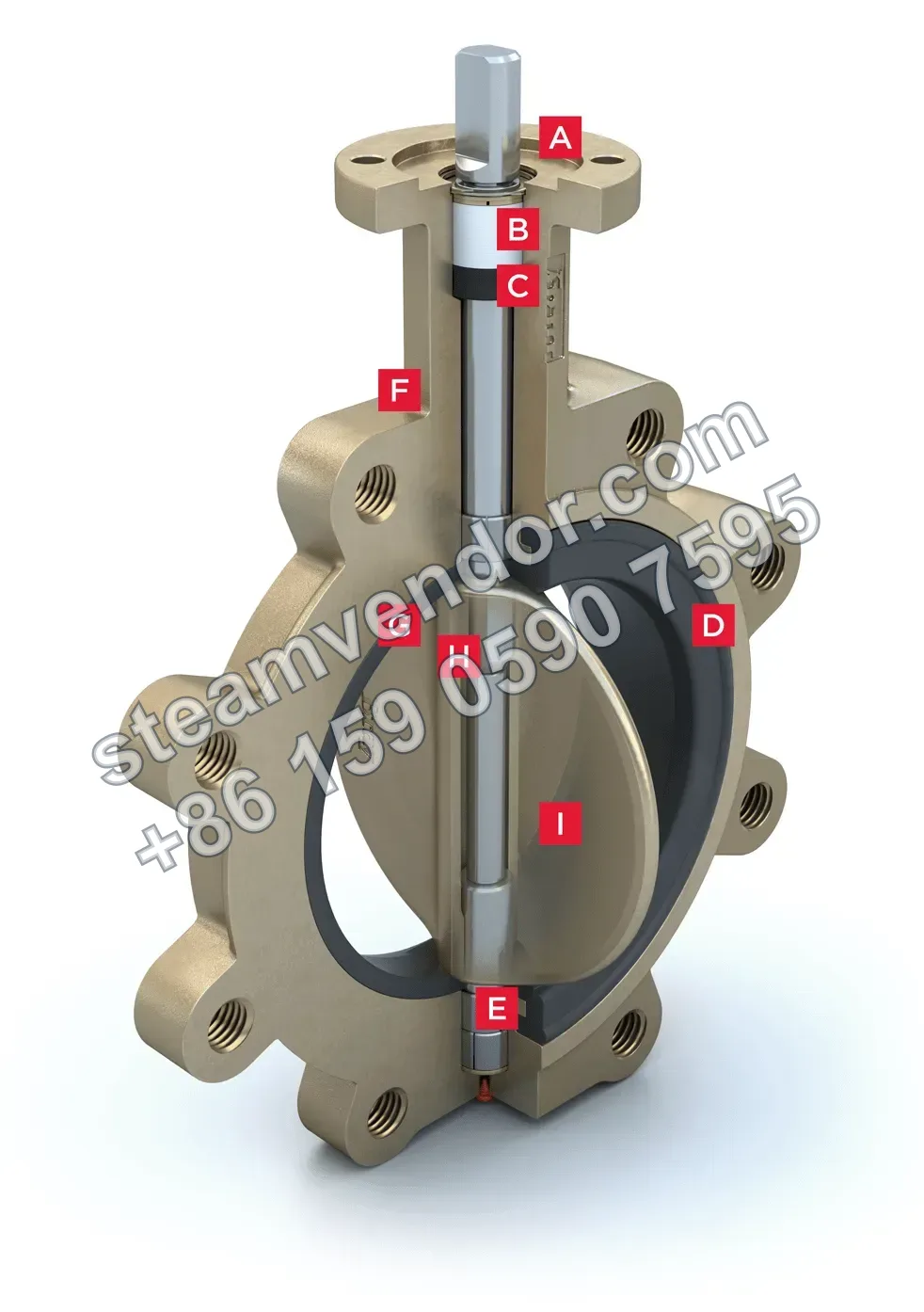
- Tongue-and-groove bonded resilient seat with molded tangential O-ring; no flange gaskets required
- Certifications
- ABS, ATEX, CRN, DNV, D.O.T. 54, NSF 61/372, PED, PE(S)R
Application scenarios
Onshore Industrial Facility Firewater Systems
Used in firewater piping at onshore industrial facilities as a shutoff and isolation valve for firewater line sections. The Series 31U is specifically suitable for onshore fire protection applications, with a maximum allowable operating pressure of 285 psi(20 bar) and bidirectional bubble-tight sealing.
Offshore Platform Firewater Systems
Used in firewater piping on offshore platforms as a shutoff and isolation valve for firewater line sections. The Series 31U is specifically suitable for offshore fire protection applications, with a maximum allowable operating pressure of 285 psi(20 bar) and bidirectional bubble-tight sealing.
Piping for Marine and Offshore Terminal Equipment
Used for pipeline isolation in marine and offshore terminal equipment. The Series 31U is suitable for marine terminal equipment, features a lug-style valve body and bidirectional bubble-tight sealing, and can be configured with a manual gear operator, electric actuator, or pneumatic actuator.
Selection points
285 psi (20 bar) Maximum Allowable Operating Pressure
This series has a maximum allowable operating pressure of 285 psi (20 bar), suitable for pressure-rated selection in high-pressure industrial and fire protection piping systems.
Bidirectional Bubble-Tight Shutoff with Bonded BUNA-N Seat
This series uses a bonded BUNA-N resilient seat to provide bidirectional bubble-tight shutoff, making it suitable for applications requiring reliable isolation in both directions.
Tongue-and-Groove Bonded Seat and Flange-Gasket-Free Sealing Design
The seat features a tongue-and-groove bonded design with molded tangential O-rings, eliminating the need for additional flange gaskets during installation.
Direct-Mount Actuator Installation Without Brackets
Manual gear operators, electric actuators, and pneumatic actuators can all be mounted directly without additional brackets.
Multiple Body and Critical Internal Material Options
This series is available with ductile iron, carbon steel, or nickel-aluminum bronze bodies, with optional 316 stainless steel, Monel K500, or nickel-aluminum bronze discs, and stainless steel, 17-4PH stainless steel, or Monel K500 stems.
Installation & maintenance notes
Do Not Install Additional Flange Gaskets
This valve uses a tongue-and-groove bonded resilient seat design with molded tangential O-rings and does not require separate flange gaskets. Do not add external flange gaskets or use assembly methods that impose additional compression on the seat during installation.
FAQ
What is the operating principle of Series 31U resilient-seated butterfly valves?
Series 31U uses a bidirectional bubble-tight shutoff design, with sealing achieved through engagement between the seat and disc. When the disc closes, it forms tight contact with the seat to provide bubble-tight shutoff in both flow directions, making it suitable for high-pressure industrial and marine end-use applications.
What are the key selection considerations for this valve series?
Key considerations include the size range (NPS 2–12 / DN 50–300), maximum allowable operating pressure (285 psi/20 bar), corrosion resistance of body and stem materials, sealing materials and flange standards, as well as service temperature and media type. Specific configurations must be confirmed according to the actual model and application conditions.
What are the key design advantages of Series 31U?
Features include a modular design, stem bushings, stem sealing arrangement, tongue-and-groove bonded resilient seat, extended neck, and integral lug flanges. These features are designed to reduce torque, improve sealing performance, simplify maintenance, and enhance field serviceability.
What certifications and testing does this series cover?
The product is covered by multiple certifications and tests, including ABS, ATEX, CRN, DNV, D.O.T. 54, NSF 61/372, PED, PESR, and others. It complies with testing standards such as API 598 and EN 12266-1, while its face-to-face dimensions conform to API 609 Category A and EN 558 Series 20.
What installation and maintenance considerations should be addressed?
Pay attention to proper flange alignment and drilling standards (ASME 150/ PN10, etc.), correct positioning of actuators mounted on the valve body, and the interference fit condition of the stem seal and seat. Specific maintenance procedures must be confirmed based on actual site conditions and the applicable model.
Documents
Product Brochure - Resilient-Seated Butterfly ValvesProduct information · EnglishProduct Brochure - Resilient-Seated Butterfly ValvesProduct information · EnglishBolting Guide - Typical Flange Bolting Guide (with Washers)Product information · EnglishBolting Guide - Typical Flange Bolting Guide (without Washers)Product information · EnglishIOM Manual - Resilient-Seated Butterfly ValvesManual · EnglishIOM Manual - Bray® Resilient-Seated Butterfly ValvesManual · EnglishIOM Manual - Resilient-Seated Butterfly ValvesManual · EnglishSafety Manual - Resilient-Seated Butterfly ValvesManual · EnglishTechnical Sales Manual - Resilient-Seated Butterfly ValvesManual · EnglishTechnical Sales Manual - Resilient-Seated Butterfly ValvesManual · EnglishTechnical Sales Manual - Resilient-Seated Butterfly ValvesManual · EnglishRecommended Specification - Series 31U Resilient-Seated Butterfly ValvesProduct information · English