

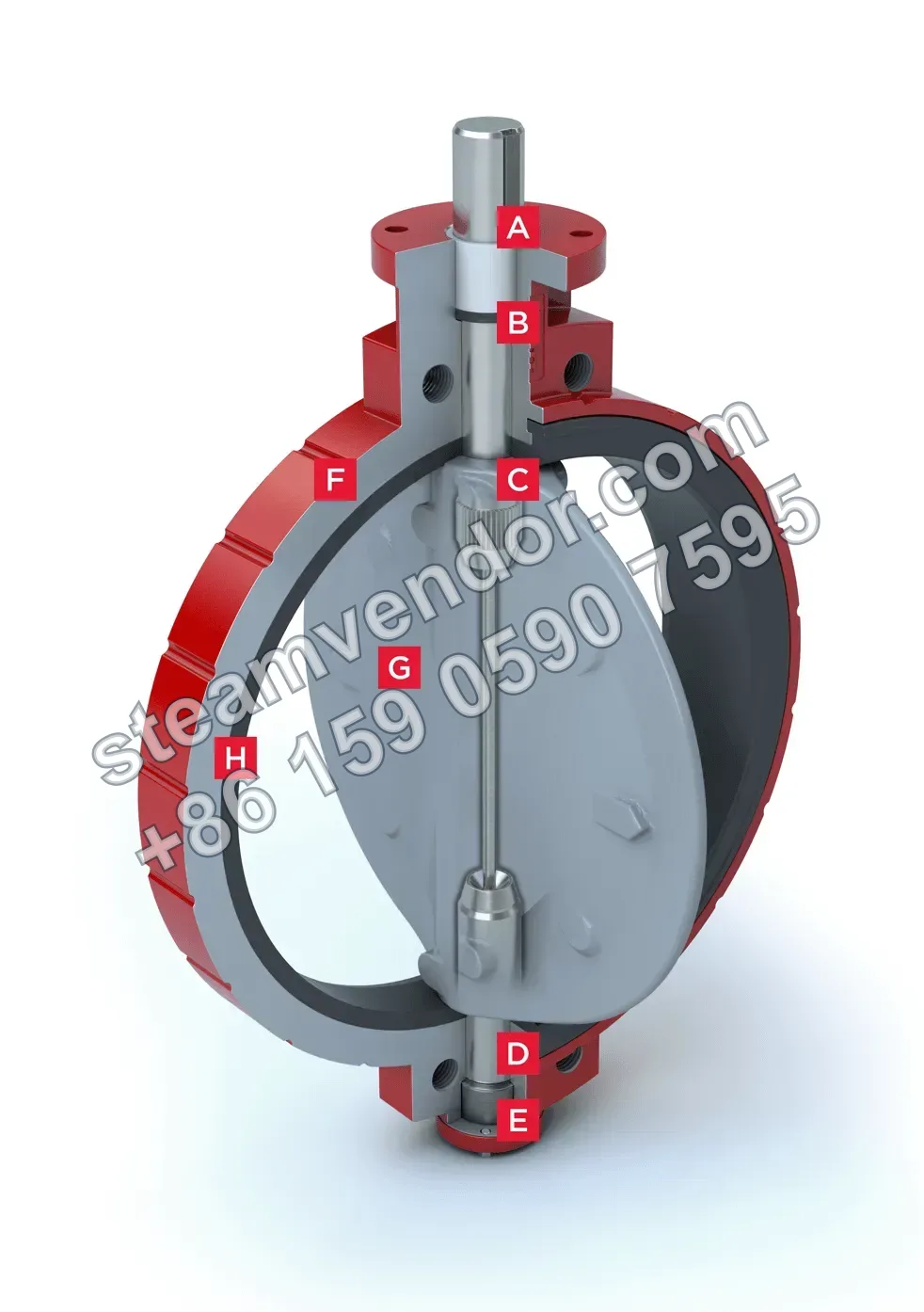
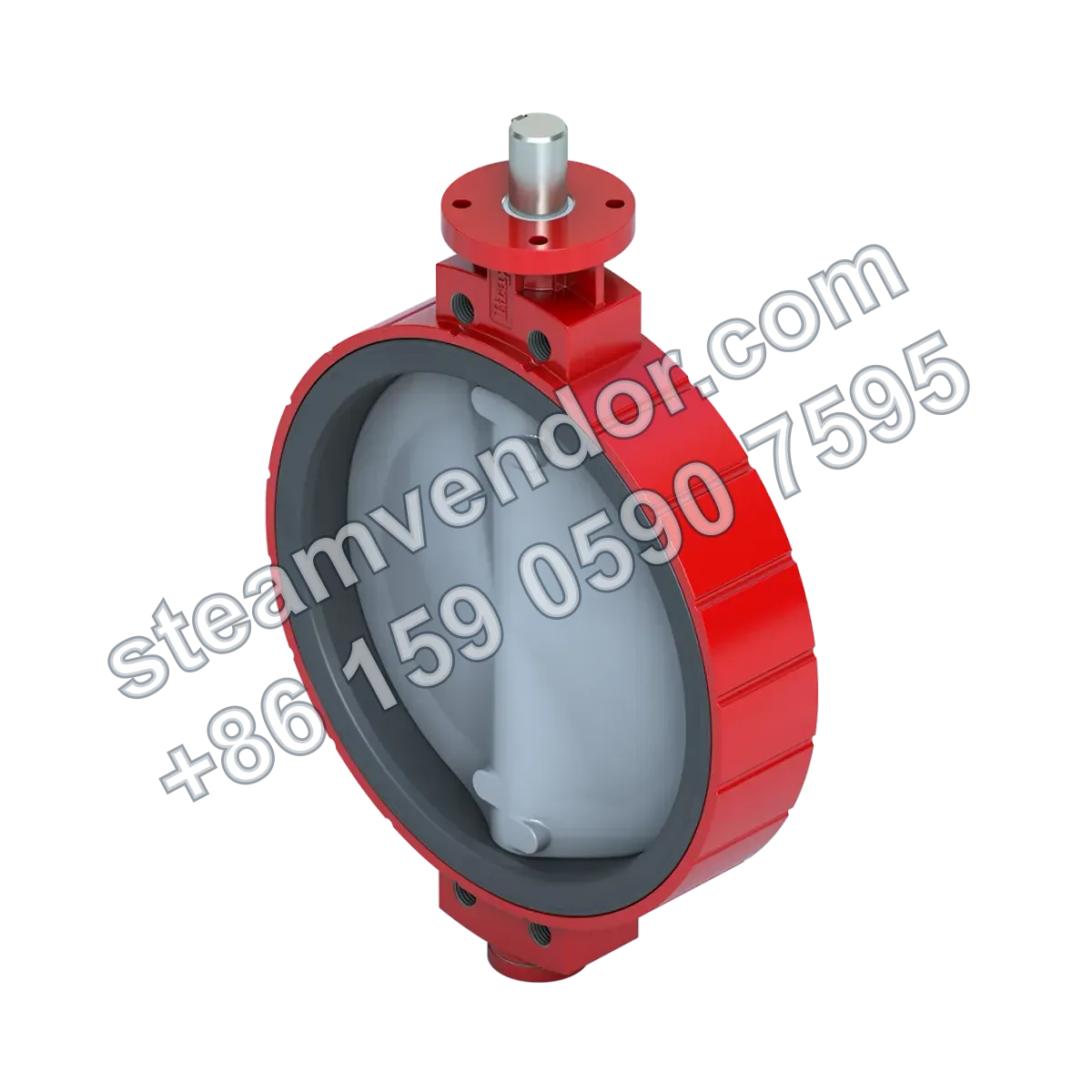
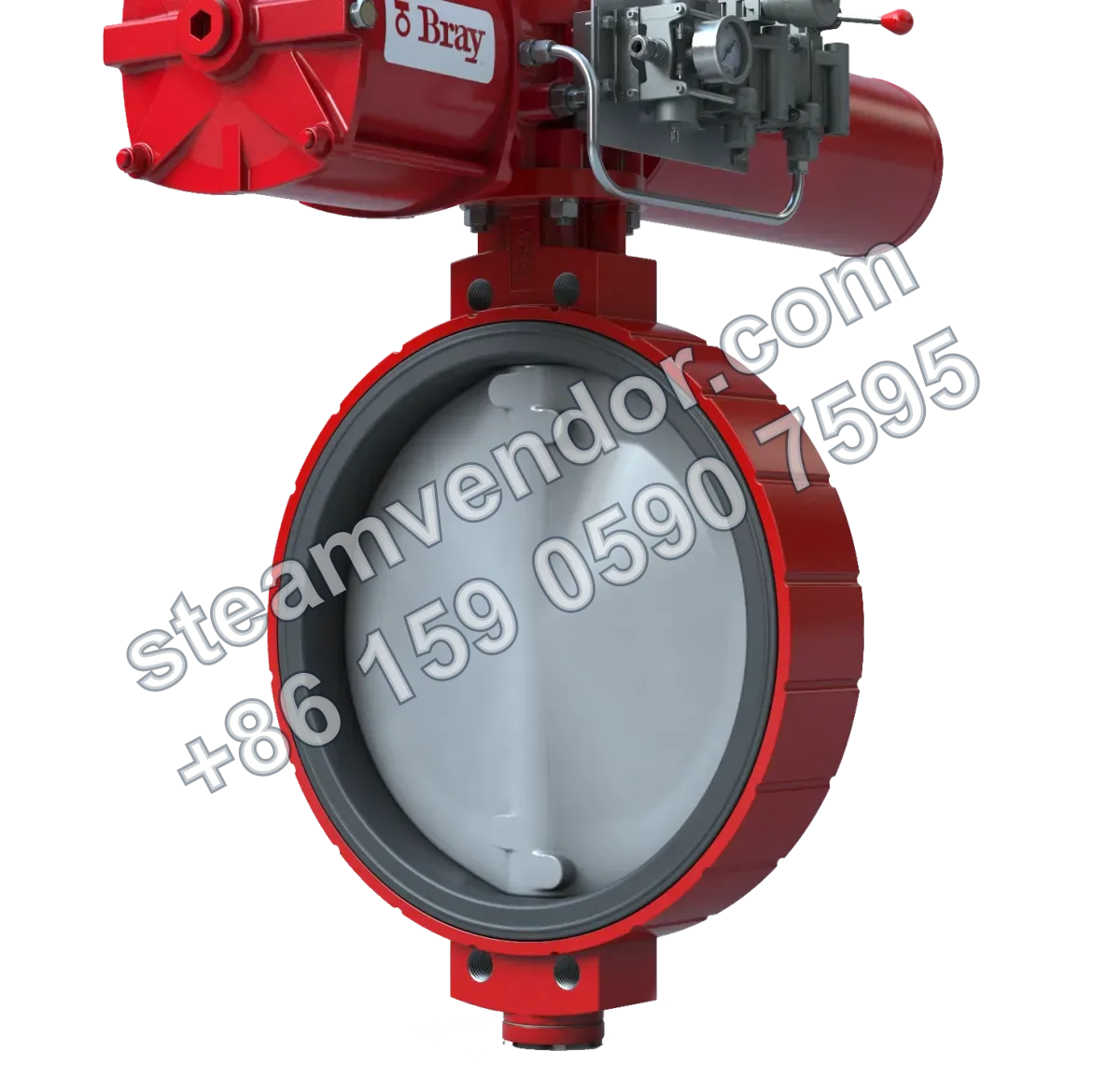
Bray Series 32/33 are large-diameter, resilient-seated wafer butterfly valves for NPS 22 to 36 (DN 550 to 900), designed for pipeline isolation and process control. Valve bodies are available in cast iron, ductile iron, carbon steel, or stainless steel, featuring a blowout-proof stem, field-adjustable V-ring packing, and bidirectional bubble-tight shutoff. Series 32 is rated up to 5 bar and Series 33 up to 10 bar, with an operating temperature range of -29°C to 121°C. Suitable for wastewater treatment, seawater cooling, industrial water supply, circulating water, and liquid or gas mains that meet operating requirements.
Series 32/33 resilient-seated butterfly valve features
1 / 4
Bray Series 32/33 Large-Diameter Rubber-Lined Butterfly Valve
Large-diameter rubber-lined butterfly valve for wastewater and seawater pipelines, featuring bidirectional bubble-tight sealing.
Genuine product assurance
We can help verify product data and purchasing details.
Model confirmation
Confirm model, connection and key options before ordering.
After-sales support
After-sales communication support is provided according to the order agreement.
Specifications
- Nominal Size Range
- NPS 22 to 36 / DN 550 to 900
- Body Materials
- Cast iron, ductile iron, carbon steel, stainless steel
- Operating Temperature Range
- -20°F to 250°F (-29°C to 121°C)
- Maximum Operating Pressure
- Series 32: 75 psi (5 bar); Series 33: 150 psi (10 bar)
- Seat Materials
- EPDM, BUNA-N, FKM
- Shutoff Rating
- Bidirectional bubble-tight shutoff
- Disc Materials
- Nylon 11-coated ductile iron, nickel aluminum bronze, stainless steel, duplex stainless steel, super austenitic stainless steel, Hastelloy®, Monel alloy
- Stem Materials
- Stainless steel, duplex stainless steel, super austenitic stainless steel, Monel alloy
- Body Type
- Wafer
- Flange Drilling Standards
- ASME B16.1 Class 125, ASME B16.5 Class 150, ASME B16.47
- Face-to-Face Standards
- API 609 Category A, EN 558 Series 20
- Stem Design
- Blowout-proof stem
- Packing System
- Adjustable V-packing, supports in-line adjustment
- Test Standards
- MSS SP-61, API 598, EN 12266-1
- Certifications
- ABS, ATEX, DNV, NSF 61/372, PED, PE(S)R, SIL
Application scenarios
Isolation and Process Control for Large Wastewater Treatment Pipelines
For large-diameter industrial wastewater or municipal sewage treatment process pipelines from DN 550 to 900. The product literature explicitly lists wastewater applications and provides bidirectional bubble-tight shutoff and a wafer-style valve body.
Seawater Cooling, Intake, and Discharge Pipelines
For isolation and process control in seawater intake, discharge, or cooling circulation pipelines within the pressure and temperature ranges of this series. The product literature explicitly lists seawater applications and provides disc and stem material options for different media service conditions.
Industrial Water Supply and Circulating Water Mains
For on-off isolation and process control in industrial water supply, raw water, or circulating water mains. The product literature explicitly lists water applications; the valve size range covers DN 550 to 900 and uses a wafer-style valve body.
Industrial Liquid Transfer Mains
For other industrial liquid transfer pipelines meeting the -29°C to 121°C temperature range and the maximum working pressure requirements of 5 bar for Series 32 or 10 bar for Series 33. The product literature explicitly lists other liquid applications.
Industrial Gas Transfer Pipelines
For industrial gas pipelines meeting the -29°C to 121°C temperature range and the maximum working pressure requirements of 5 bar for Series 32 or 10 bar for Series 33. The product literature explicitly lists other gas applications and provides bidirectional bubble-tight shutoff.
Selection points
Series 32/33 Pressure Ratings
The maximum allowable working pressure is 75 psi (5 bar) for Series 32 and 150 psi (10 bar) for Series 33. Select the appropriate series based on pipeline pressure conditions.
Multiple Disc and Stem Material Options
Disc options include Nylon 11-coated ductile iron, nickel aluminum bronze, stainless steel, duplex stainless steel, super austenitic stainless steel, Hastelloy® and Monel alloy. Stem options include stainless steel, duplex stainless steel, super austenitic stainless steel and Monel alloy, allowing material selection based on service media conditions.
Bidirectional Bubble-Tight Sealing
This valve series provides bidirectional bubble-tight sealing for applications requiring tight shutoff in both directions.
Blowout-Proof Stem and In-Line Adjustable Packing
The product features a blowout-proof stem and an adjustable V-packing system. The packing can be adjusted in line.
Multiple Project Certification Options
Product documentation lists ABS, ATEX, DNV, NSF 61/372, PED, PE(S)R and SIL certifications or compliance options. Verify the specific configuration against project certification requirements.
Installation & maintenance notes
Flange Alignment and Centered Valve Installation
This is a wafer-style valve. During installation, ensure that the pipeline flanges at both ends are aligned and that the valve is centered between the flanges. Do not forcibly tighten the valve if the piping is misaligned or the flange fit is abnormal.
FAQ
What is the operating principle of Series 32/33 resilient-seated butterfly valves?
This valve series controls media flow through contact between the disc and seat sealing surfaces during opening and closing. It provides bidirectional bubble-tight shutoff to improve sealing performance and safety. The specific operating principle must be confirmed based on the actual model and media conditions.
How should valves be selected to ensure suitability for high-pressure service?
Selection should consider key parameters such as size range, maximum allowable operating pressure, body material, seat material, and shutoff rating, together with the media, temperature, and pipeline flange standard. The specific configuration must be confirmed based on the actual model and application conditions.
What advantages does Series 32/33 offer in corrosion resistance and material compatibility?
Seat and disc materials are available in multiple options (EPDM, BUNA-N, FKM; body materials include cast iron, ductile iron, carbon steel, and stainless steel), meeting corrosion-resistance requirements for different media. Refer to the actual model for specific selection.
What field-adjustable settings are available for maintenance of this valve series?
The stem packing system can be adjusted in the field without removing the actuator. It provides self-adjusting V-type stem packing to facilitate on-site maintenance and improve sealing stability. The specific solution must be confirmed according to the model.
How can suitability of resilient-seated butterfly valves for wastewater or seawater applications be determined?
The product is designed for high-pressure industrial applications and features a wafer body, bidirectional sealing, and a broad range of material options, supporting wastewater, seawater, and similar applications. Specific media compatibility must be confirmed based on the actual model, temperature, and pressure conditions.
Documents
Product Brochure - Resilient-Seated Butterfly ValvesProduct information · EnglishProduct Brochure - Resilient-Seated Butterfly ValvesProduct information · EnglishBolting Guide - Typical Flange Bolting Guide (with Washers)Product information · EnglishBolting Guide - Typical Flange Bolting Guide (without Washers)Product information · EnglishIOM Manual - Resilient-Seated Butterfly ValvesManual · EnglishIOM Manual - Bray® Resilient-Seated Butterfly ValvesManual · EnglishIOM Manual - Resilient-Seated Butterfly ValvesManual · EnglishSafety Manual - Resilient-Seated Butterfly ValvesManual · EnglishTechnical Sales Manual - Resilient-Seated Butterfly ValvesManual · EnglishTechnical Sales Manual - Resilient-Seated and Double-Offset Butterfly Valves Typical Flange BoltingManual · ChineseTechnical Sales Manual - Resilient-Seated Butterfly ValvesManual · EnglishTechnical Sales Manual - Resilient-Seated Butterfly ValvesManual · EnglishRecommended Specifications - Series 32/33 Resilient-Seated Butterfly ValvesProduct information · EnglishWeights and Dimensions - Series 32/33 Resilient-Seated Butterfly ValvesProduct information · English