

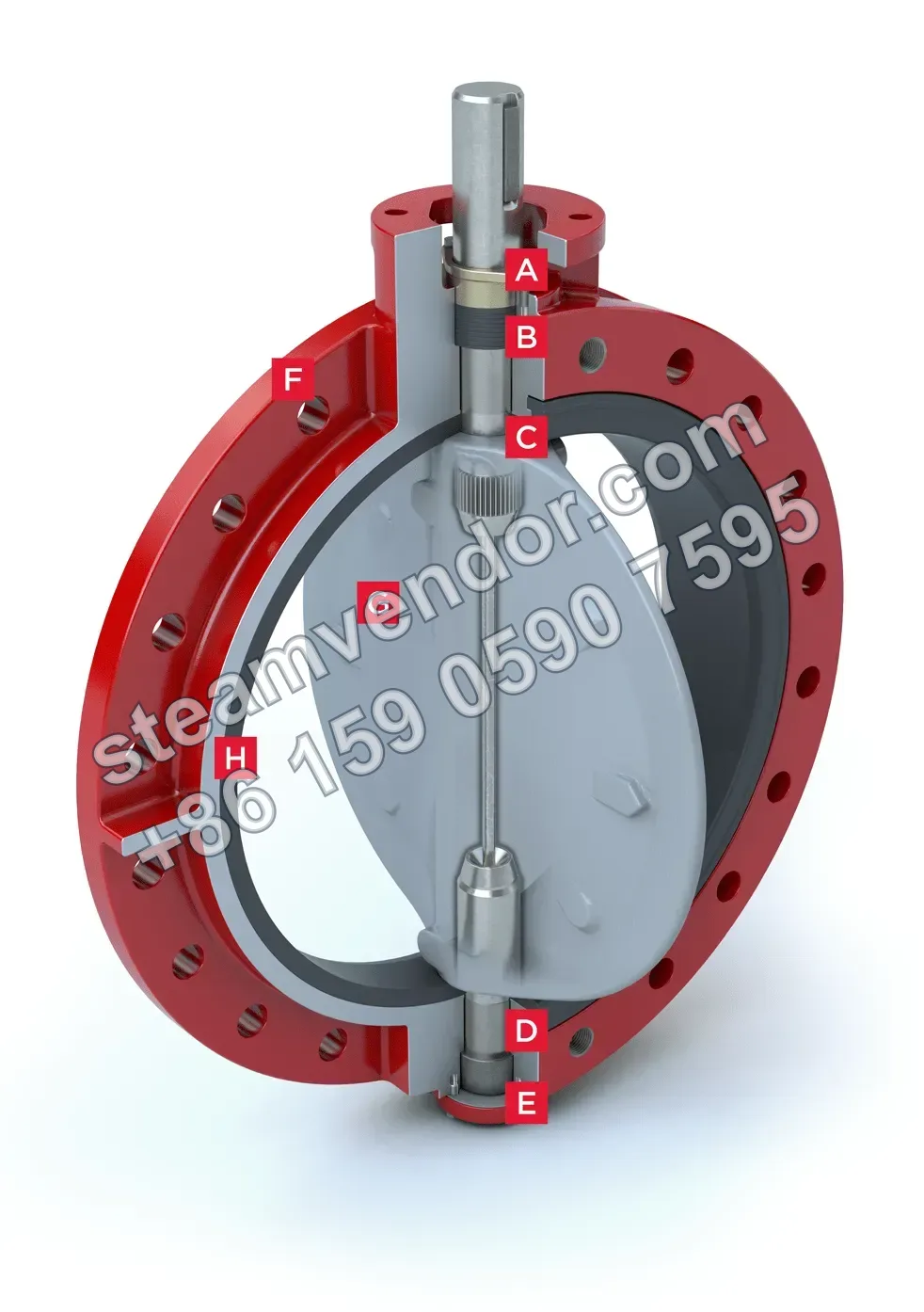
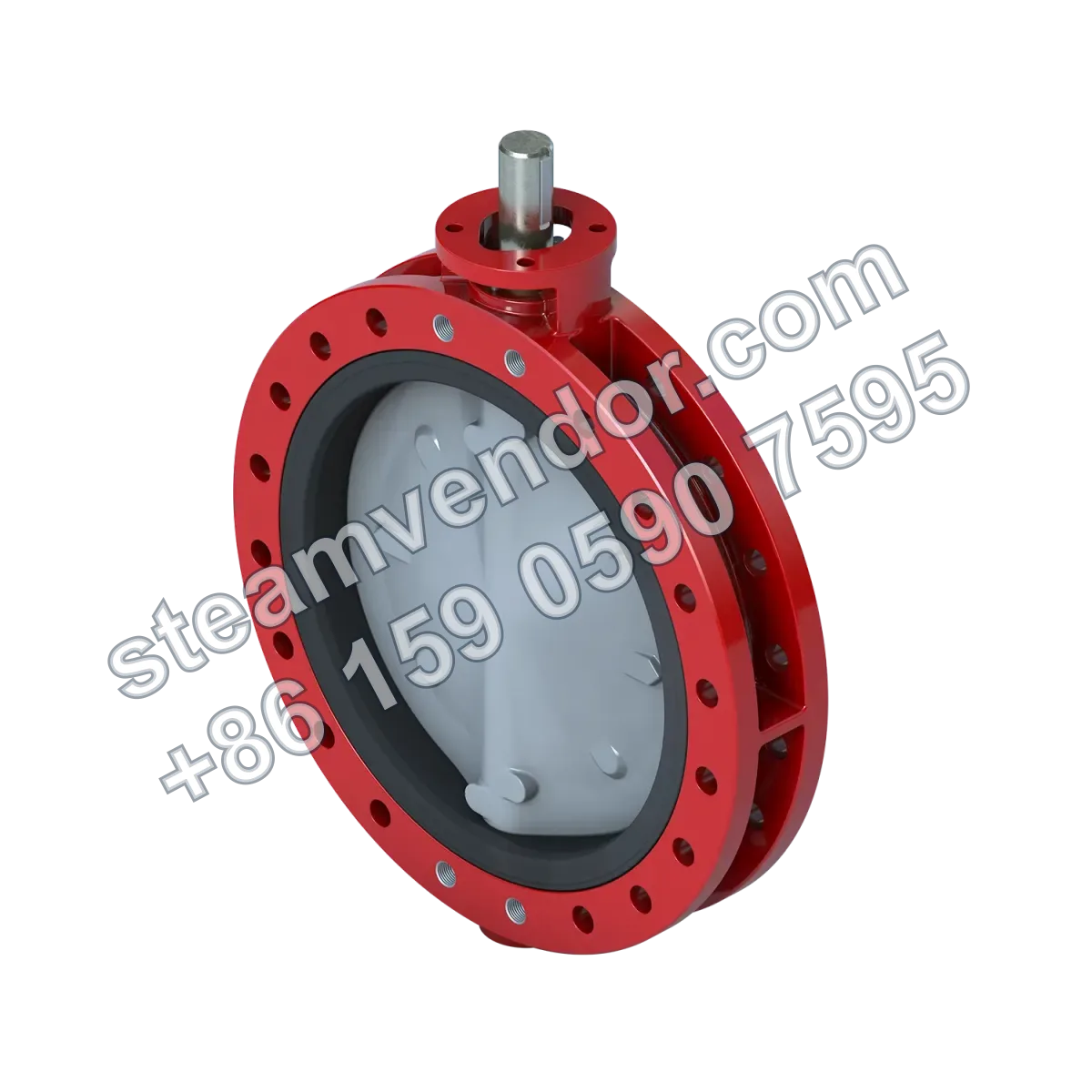
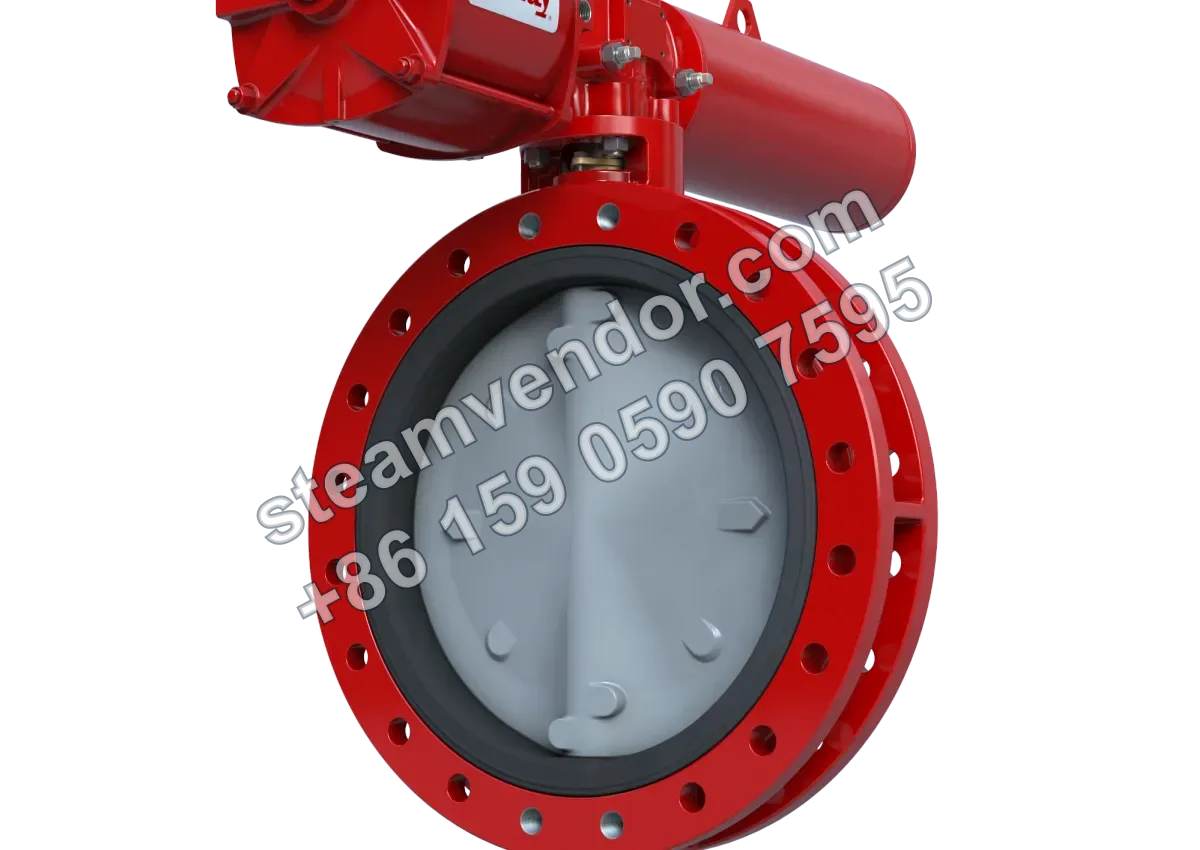
Bray 35/36 Series large-diameter, fully flanged rubber-lined butterfly valves cover sizes from NPS 22 to 120 (DN 550 to 3000) and provide bidirectional bubble-tight sealing. The maximum allowable operating pressure is 5 bar for the 35 Series and 10 bar for the 36 Series, with an operating temperature range of -29°C to 204°C. They are suitable for isolation and flow control in water supply and distribution, wastewater treatment, seawater intake and discharge, and industrial liquid and gas piping systems.
Resilient-Seated Butterfly Valve Series 35/36 Features
1 / 4
Bray Series 35/36 Large-Diameter Fully Flanged Resilient Seated Butterfly Valve
Large-diameter fully flanged resilient seated butterfly valve for isolation and flow control in water supply, wastewater, and seawater pipelines.
Genuine product assurance
We can help verify product data and purchasing details.
Model confirmation
Confirm model, connection and key options before ordering.
After-sales support
After-sales communication support is provided according to the order agreement.
Specifications
- Size Range
- NPS 22 to 120 / DN 550 to 3000
- Operating Temperature Range
- -20°F to 400°F(-29°C to 204°C)
- Maximum Allowable Operating Pressure
- Series 35: 75 psi (5 bar); Series 36: 150 psi (10 bar)
- Shutoff Rating
- Bidirectional bubble-tight shutoff
- Body Type
- Flanged
- Flange Drilling
- ASME B16.1 Class 125, ASME B16.5 Class 150, ASME B16.47, EN 1092 PN10, 16
- Face-to-Face Dimension
- API 609 Category A, EN 558 Series 20
- Body Materials
- Cast iron, ductile iron, carbon steel, stainless steel
- Disc Materials
- Nylon 11-coated ductile iron, nickel aluminum bronze, stainless steel, duplex stainless steel, super austenitic stainless steel, Hastelloy®, Monel alloy
- Stem Material
- 416 stainless steel
- Seat Materials
- EPDM, BUNA, FKM
- Certifications
- ABS, ATEX, DNV, NSF 61/372, PED, PE(S)R, SIL
Application scenarios
Large-Diameter Water Supply and Distribution Pipelines
Suitable for large-diameter inlet and outlet pipelines, pump station piping, or main transmission lines in municipal water treatment plants and industrial water supply systems, for pipeline isolation and flow control. Product sizes range from DN 550 to DN 3000, with a fully flanged valve body and bidirectional bubble-tight shutoff.
Wastewater Treatment Process Piping
Suitable for large-diameter liquid piping in wastewater treatment plants, for pipeline isolation or flow control at influent, effluent, and between treatment units. The product documentation explicitly lists wastewater applications and features a fully flanged valve body with bidirectional bubble-tight shutoff.
Seawater Intake and Discharge Systems
Suitable for large-diameter pipelines in seawater intake, seawater circulating cooling, or seawater discharge systems, for controlling seawater shutoff and flow. The product documentation explicitly lists seawater applications and offers disc material options including nickel-aluminum bronze, duplex stainless steel, super austenitic stainless steel, Hastelloy, and Monel alloy.
Industrial Liquid Process Piping
Suitable for large-diameter main pipelines, equipment inlet and outlet lines, or utility piping conveying other liquids in general industrial facilities, for isolation or flow control. The product documentation explicitly lists other liquid applications and offers a range of valve body, disc, and seat material configurations.
Industrial Gas Piping
Suitable for industrial gas transmission pipelines and equipment connections, for pipeline isolation or flow control. The product documentation explicitly lists other gas applications and provides bidirectional bubble-tight shutoff.
Selection points
Extra-Large-Diameter Full-Flange Valve Body
Series 35/36 covers sizes from NPS 22 to 120, equivalent to DN 550 to 3000, with a full-flange valve body.
Adjustable Packing Design
Series 35/36 incorporates an adjustable packing design based on Series 32/33.
Bidirectional Bubble-Tight Shutoff
The product features a tongue-and-groove seat with bidirectional bubble-tight shutoff.
Multiple Material Configuration Options
Valve bodies are available in cast iron, ductile iron, carbon steel, or stainless steel; multiple material options are available for the disc and seat.
Compatibility with Multiple Flange Drilling Standards
Flange drilling supports ASME B16.1 Class 125, ASME B16.5 Class 150, ASME B16.47, and EN 1092 PN10 and PN16.
Multiple Certifications and Compliance Coverage
Product documentation lists certifications or compliance items including ABS, ATEX, DNV, NSF 61/372, PED, PE(S)R, and SIL.
Installation & maintenance notes
Do Not Install Additional Gaskets on Flange Connections
Series 35/36 uses a full-flange valve body and tongue-and-groove seat. Do not install additional gaskets between the valve flange and pipe flange during installation, as this may alter the loading condition of the seat sealing surface.
FAQ
How do Series 35/36 resilient-seated butterfly valves work?
Series 35/36 resilient-seated butterfly valves use a tongue-and-groove seat to achieve bidirectional bubble-tight shutoff. The interference fit between the disc and seat provides airtight sealing when closed.
What are the key selection considerations for this valve series?
Key selection considerations include size range, body material, temperature and pressure rating, stem and seat materials, and the required sealing material (EPDM, BUNA, or FKM) to suit the medium and operating conditions. The specific configuration must be confirmed based on the actual model and application conditions.
Which key design features improve service life and sealing reliability?
Features include an adjustable packing system, primary and secondary seals, stem bearings, and vertical thrust bearings to improve sealing performance and reduce friction, ensuring stable long-term operation.
What is the maximum operating pressure for this valve series?
The maximum allowable operating pressure is 75 psi (5 bar) for Series 35 and 150 psi (10 bar) for Series 36.
What media and temperature range are suitable for this valve series?
Suitable for liquids and gases including water, wastewater, and seawater, with a temperature range of -20°F to 400°F (-29°C to 204°C).
Documents
Product Brochure - Resilient-Seated Butterfly ValvesProduct information · EnglishProduct Brochure - Soft-Seated Butterfly ValvesProduct information · EnglishBolting Guide - Typical Flange Bolting Guide (with Washers)Product information · EnglishBolting Guide - Typical Flange Bolting Guide (without Washers)Product information · EnglishIOM Manual - Resilient-Seated Butterfly ValvesManual · EnglishIOM Manual - Bray® Soft-Seated Butterfly ValvesManual · EnglishIOM Manual - Resilient-Seated Butterfly ValvesManual · EnglishSafety Manual - Resilient-Seated Butterfly ValvesManual · EnglishTechnical Sales Manual - Resilient-Seated Butterfly ValvesManual · EnglishTechnical Sales Manual - Resilient-Seated and Double-Offset Butterfly Valves: Typical Flange Bolting ConnectionsManual · ChineseTechnical Sales Manual - Soft-Seated Butterfly ValvesManual · EnglishTechnical Sales Manual - Resilient-Seated Butterfly ValvesManual · EnglishRecommended Specification - Series 35 and 36 Resilient-Seated Butterfly ValvesProduct information · EnglishWeights and Dimensions - Series 35/36 Resilient-Seated Butterfly ValvesProduct information · English