

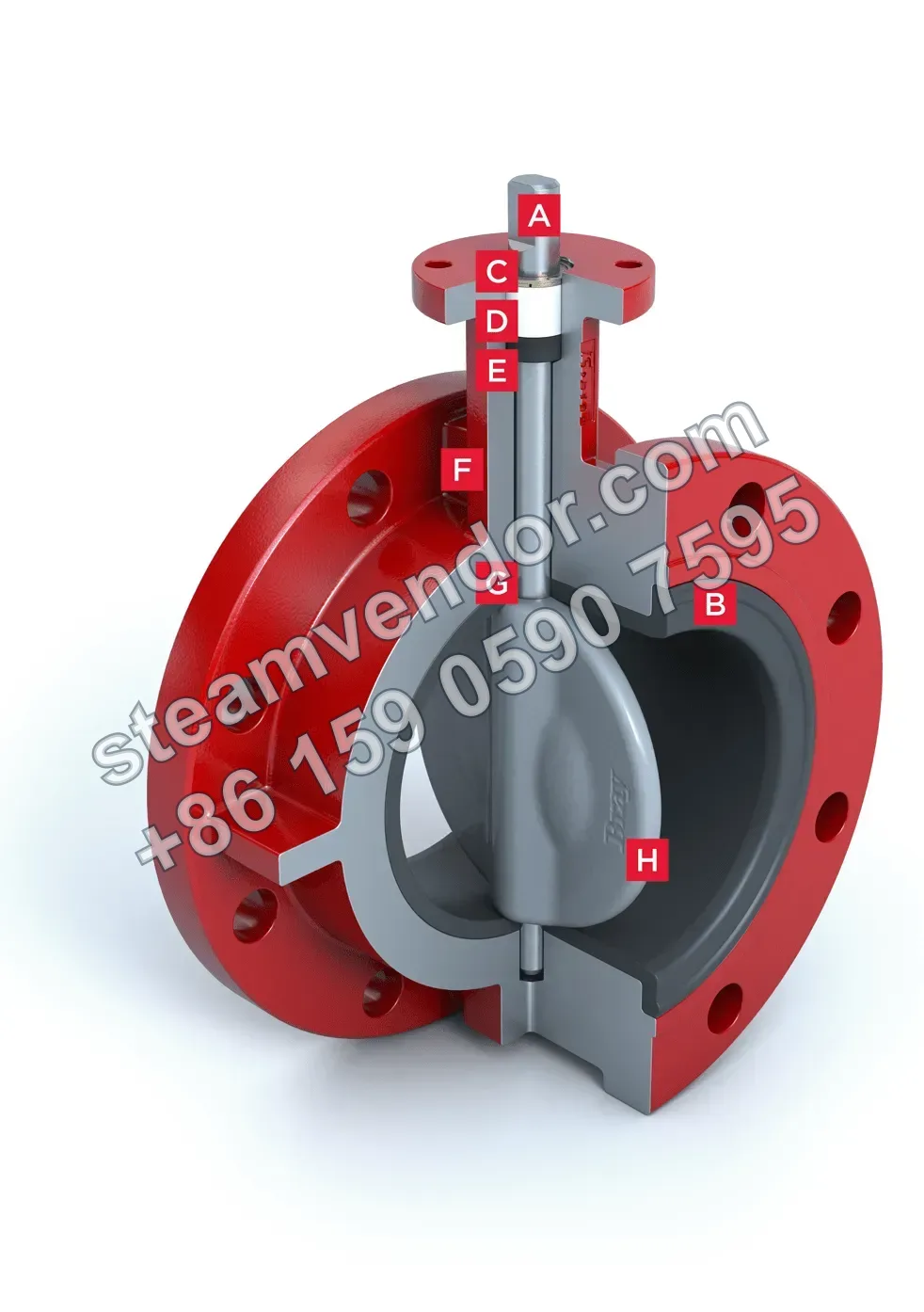
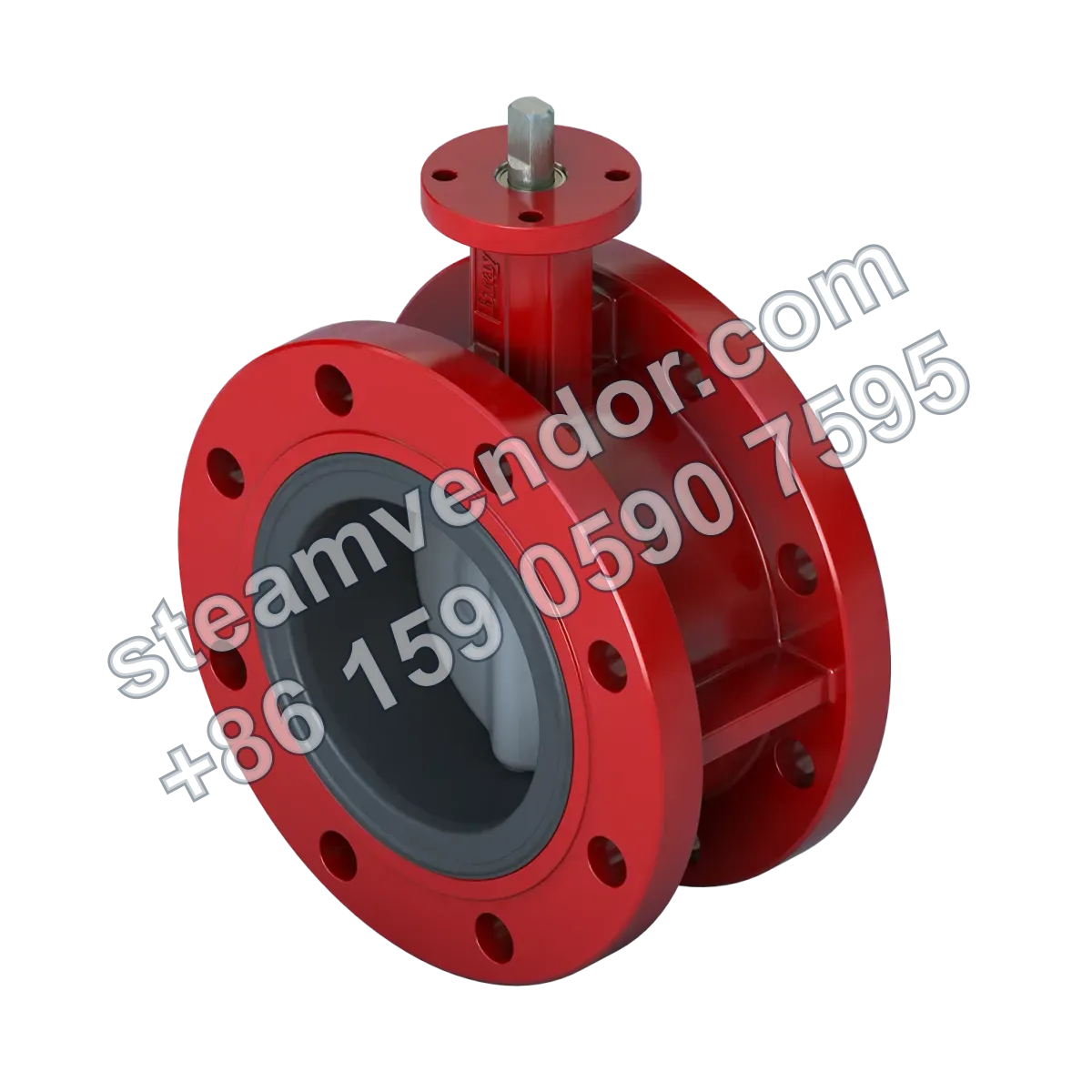
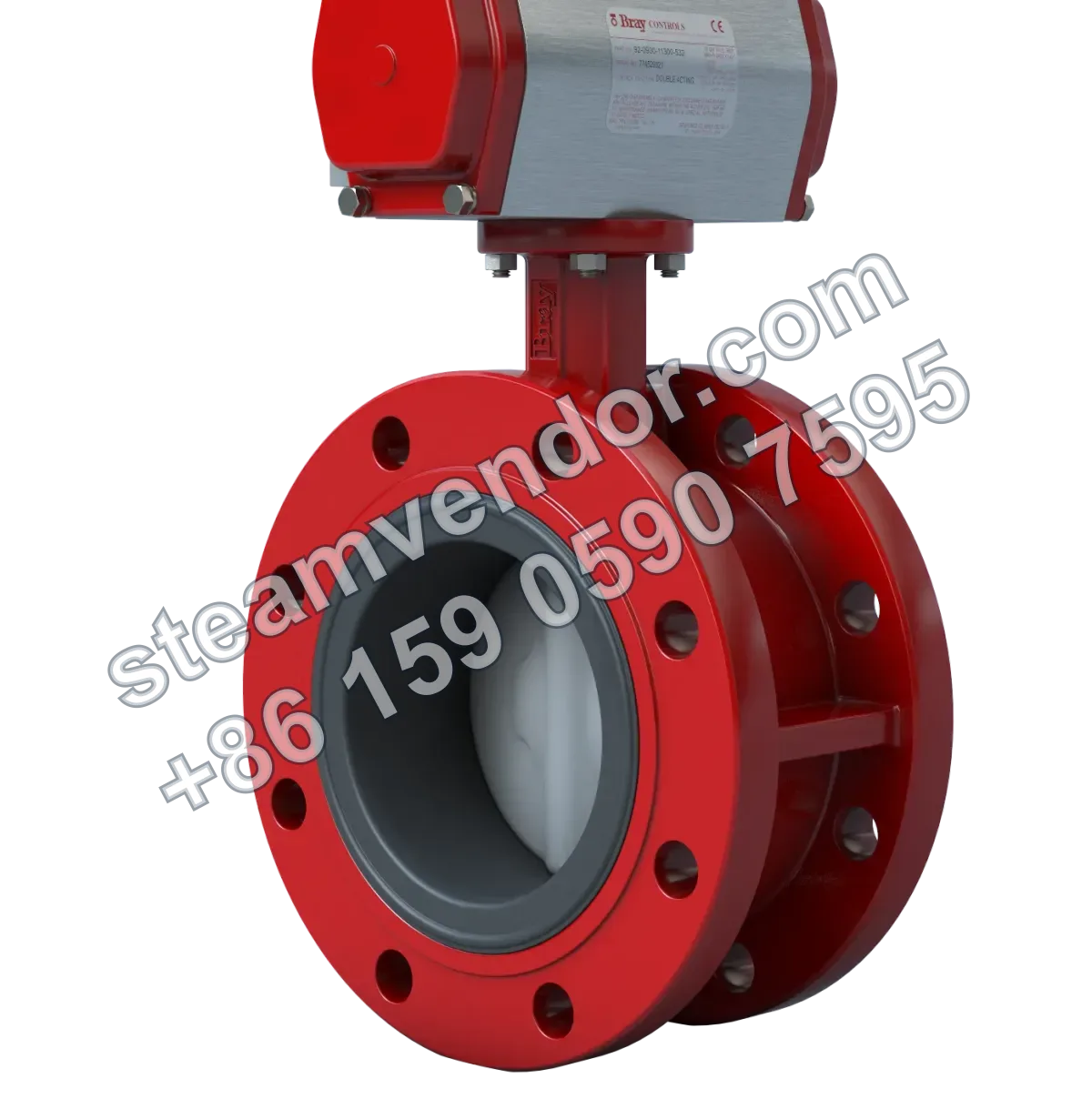
The Bray 3A/3AH series comprises double-flanged resilient-seated butterfly valves in sizes from NPS 2 to 20 (DN 50 to 500), available with cast iron, ductile iron, or carbon steel bodies and a range of disc and seat material combinations. The series provides bidirectional bubble-tight sealing and is suitable for temperatures from -29°C to 204°C, with a maximum pressure of 12 bar for 3A and 16 bar for 3AH. It is designed for isolation and automated control in wastewater treatment, seawater, and industrial liquid and gas piping systems.
3A-3AH Series Resilient Seated Butterfly Valve Features
1 / 3
Bray 3A/3AH Series Rubber-Lined Butterfly Valve | Double-Flanged
Double-flanged rubber-lined butterfly valve for wastewater and seawater pipeline isolation, with optional EPDM seat.
Genuine product assurance
We can help verify product data and purchasing details.
Model confirmation
Confirm model, connection and key options before ordering.
After-sales support
After-sales communication support is provided according to the order agreement.
Specifications
- Size Range
- NPS 2 to 20 / DN 50 to 500
- Body Materials
- Cast iron, ductile iron, carbon steel
- Disc Materials
- Nylon 11-coated ductile iron, nickel aluminum bronze, stainless steel
- Seat Materials
- Bonded EPDM, bonded BUNA-N, bonded FKM
- Stem Materials
- Stainless steel, Monel K500
- Temperature Range
- -20°F to 400°F (-29°C to 204°C)
- Maximum Working Pressure
- 3A Series: 175 psi (12 bar); 3AH Series: 250 psi (16 bar)
- Shutoff Rating
- Bidirectional bubble-tight shutoff
- Body Type
- Double-flanged
- Flange Standards
- ASME B16.1 Class 125, ASME B16.5 Class 150, EN 1092 PN 10, PN 16
- Face-to-Face Standard
- API 609 Category B short pattern, EN 558 Series 13, ISO 5752 Table 2
- Actuator Mounting Flange Standard
- ISO 5211
- Certifications
- ATEX, PED, SIL, CCS, DNV, ABS
Application scenarios
Wastewater Treatment System Pipeline Isolation
Suitable for wastewater pipeline isolation in wastewater treatment pump stations and processing units. Product documentation explicitly lists wastewater applications; the series features a double-flanged design and provides bidirectional bubble-tight sealing.
Seawater Pipeline Isolation
Suitable for isolation in seawater intake, discharge, and transfer pipelines. Product documentation explicitly lists seawater applications, with optional nickel-aluminum bronze or stainless steel discs and Monel K500 stems.
Automated Control of Industrial Liquids and Gases
Suitable for automated on/off and pressure control in plant water and other liquid and gas pipelines. Product documentation explicitly lists water and other liquid and gas applications and complies with the ISO 5211 actuator mounting flange standard.
Selection points
Bonded Seat Options
This series offers bonded EPDM, bonded BUNA-N, and bonded FKM seats as seat material selection options.
3A and 3AH Pressure Classifications
The 3A series has a maximum allowable operating pressure of 175 psi (12 bar), while the 3AH series is rated at 250 psi (16 bar). Select the appropriate subseries based on the pipeline pressure class.
International Flange Standard Compatibility
Flange drilling on the double-flanged valve body covers ASME B16.1 Class 125, ASME B16.5 Class 150, and EN 1092 PN 10/16, enabling selection to match existing pipeline flange standards.
Certification Options
Product documentation lists certifications or compliance items including ABS, CCS, DNV, and SIL, which can be used as verification criteria where relevant project access requirements apply.
Multiple Disc Material Options
Available disc materials include nylon 11-coated ductile iron, nickel aluminum bronze, and stainless steel, allowing material selection based on service conditions.
Installation & maintenance notes
Verify Compatibility Between Pipeline Flange Standards and Valve Configuration
Before installation, verify that the pipeline flange drilling standard matches the actual valve flange configuration. This series features double-flanged valves and can be configured to ASME B16.1 Class 125, ASME B16.5 Class 150, EN 1092 PN 10, or PN 16 flange standards.
FAQ
What is the operating principle of the 3A/3AH resilient seated butterfly valve?
The 3A/3AH Series uses a double-flanged design. Closure is achieved through the interaction of the disc and stem. The seat features a bonded construction, and the seal is designed for bidirectional bubble-tight shutoff. Flow is blocked by the sealing surfaces between the disc and valve body, making the valve suitable for automated control and pressure-management applications.
How can I distinguish between the 3A and 3AH Series during selection?
The key difference is the maximum allowable operating pressure: the 3A Series is typically rated at 175 psi (12 bar), while the 3AH Series is rated at 250 psi (16 bar). Refer to the technical specifications of the applicable model for comparisons of other construction and material details.
Which flange standards are compatible with this valve series?
The design conforms to multiple international flange standards, including ASME B16.1 Class 125, ASME B16.5 Class 150, EN 1092 PN 10/16, and ISO 5752 Table 2 (EN558 Table 13) face-to-face dimensions, facilitating procurement for global markets.
What media and temperature range are suitable for this resilient seated butterfly valve?
It is suitable for wastewater, seawater, water, and other liquid and gas media, with a temperature range of -29°C to 204°C (-20°F to 400°F). Confirm the specific configuration according to the actual model and application conditions.
What key installation and maintenance points should be considered?
The actuator mounting flange complies with ISO 5211, and the valve body has a double-flanged construction. The shaft sealing arrangement combines a molded O-ring with dual U-cup seals. The bonded seat design reduces torque. Routine maintenance should focus on actuator alignment and seal integrity. Refer to the technical documentation for the applicable model for specific maintenance details.
Documents
Product Brochure - Resilient Seated Butterfly ValvesProduct information · EnglishProduct Brochure - Resilient Seated Butterfly ValvesProduct information · EnglishBolting Guide - Typical Flange Bolting Guide (with Washers)Product information · EnglishBolting Guide - Typical Flange Bolting Guide (without Washers)Product information · EnglishIOM Manual - Resilient Seated Butterfly ValvesManual · EnglishIOM Manual - Bray® Resilient Seated Butterfly ValvesManual · EnglishIOM Manual - Resilient Seated Butterfly ValvesManual · EnglishSafety Manual - Resilient Seated Butterfly ValvesManual · EnglishTechnical Sales Manual - Resilient Seated Butterfly ValvesManual · EnglishTechnical Sales Manual - Resilient Seated Butterfly ValvesManual · EnglishTechnical Sales Manual - Resilient Seated Butterfly ValvesManual · EnglishRecommended Specifications - 3A/3AH Series Resilient Seated Butterfly ValvesProduct information · EnglishWeights and Dimensions - 3A/3AH Series Resilient Seated Butterfly ValvesProduct information · English