

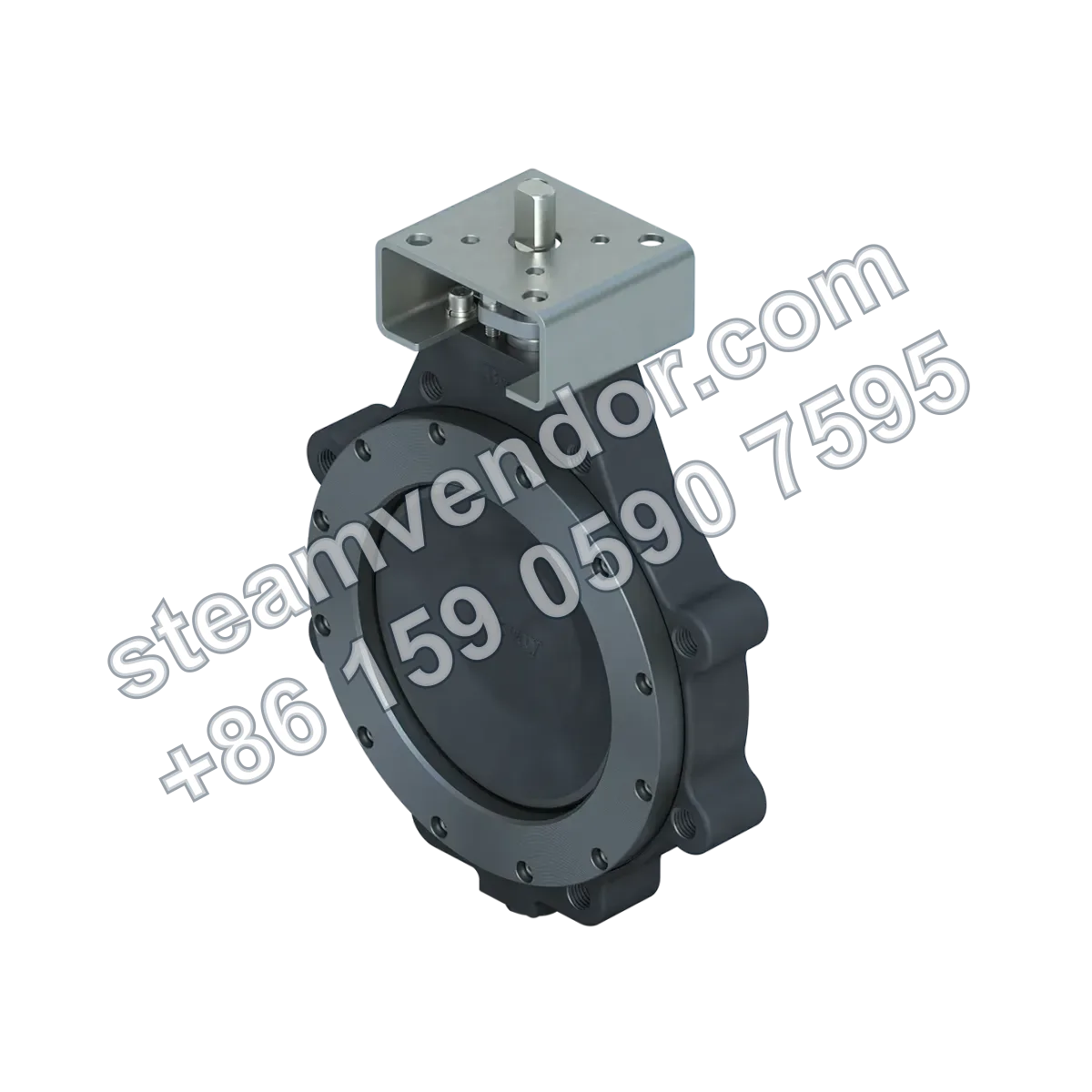
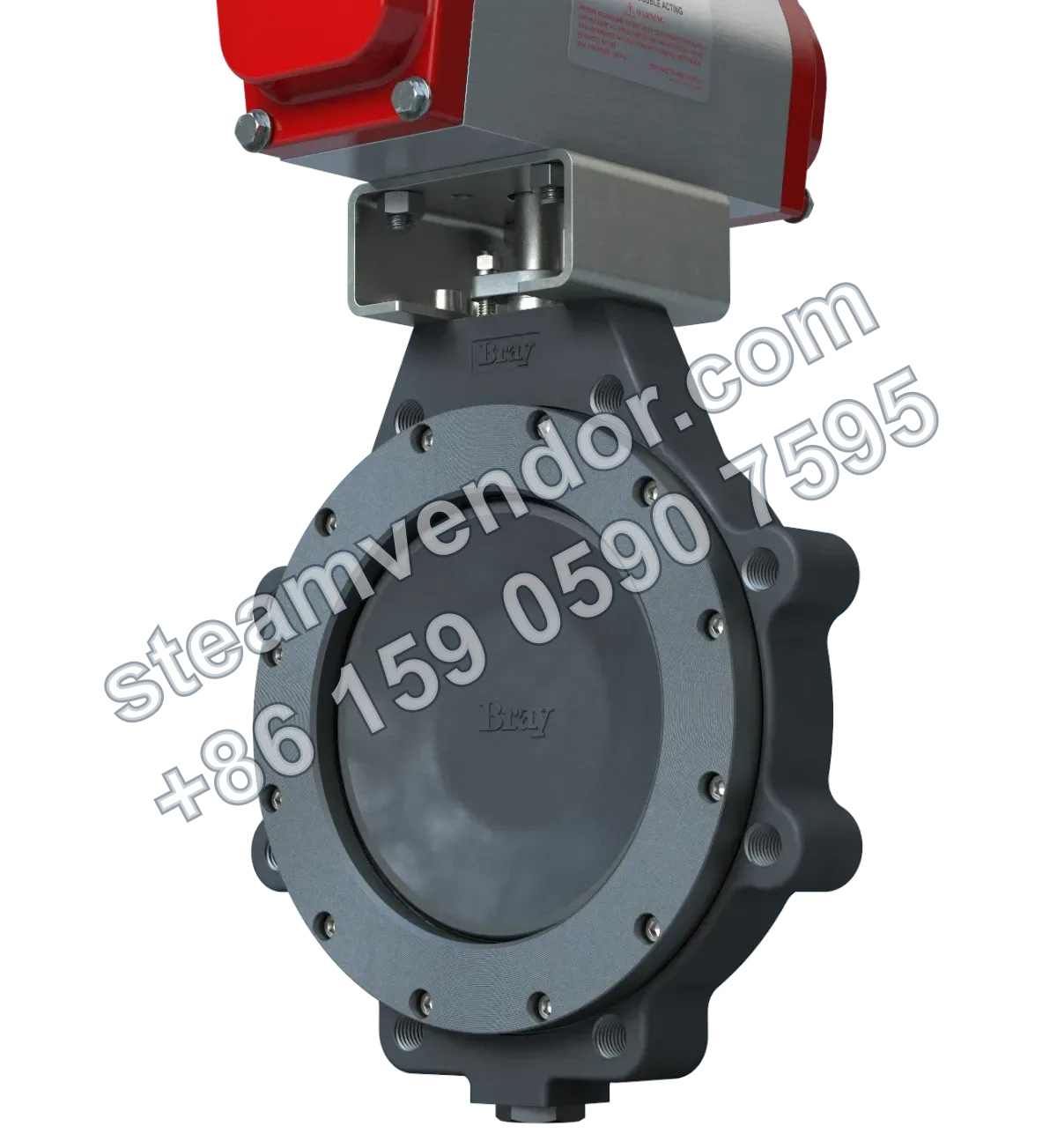
The Bray McCannalok™ metal-seated high-temperature butterfly valve is designed for pipeline isolation and flow control in high-temperature applications. It features an Inconel® 718 seat and a nitrided stainless steel disc, with a maximum operating temperature of 482°C. Available in wafer, lug, and double-flanged body configurations, it covers DN 65 to 750 and ASME 150 to 600 classes, and is suitable for saturated steam, hot oil, high-temperature air, process gas, and abrasive slurry pipelines.
McCannalok S41 metal-seated high-performance butterfly valve
1 / 2
Bray McCannalok™ Metal-Seated High-Temperature Butterfly Valve
Metal-seated high-temperature butterfly valve for isolation and control in steam lines.
Genuine product assurance
We can help verify product data and purchasing details.
Model confirmation
Confirm model, connection and key options before ordering.
After-sales support
After-sales communication support is provided according to the order agreement.
Specifications
- Size Range
- NPS 2½ to 30 / DN 65 to 750
- Body Type
- Wafer, lug, double-flanged
- Body Material
- Stainless steel, carbon steel
- Seat Material
- Inconel® 718
- Disc Material
- Nitrided stainless steel, ASTM A351 CF8M
- Stem Material
- 17-4 PH stainless steel (ASTM A564 Type 630 H1150D); stainless steel (ASTM A479 316 strain-hardened Grade 1)
- Maximum Operating Temperature
- 900°F (482°C)
- Pressure Rating
- ASME Class 150, 300, 600
- Shutoff Rating
- Class IV (ANSI/FCI 70-2)
- Flange Standards
- ASME B16.5, EN 1092
- Face-to-Face Standards
- API 609, ISO 5752
- Fugitive Emissions Standards
- ISO 15848-1, API 641
- Design Standards
- ASME B16.34, ASME VIII, API 609
- Certifications
- ABS, DNV, PED, PE(S)R
Application scenarios
Saturated Steam Conveyance Systems
For isolation or throttling in saturated steam pipelines. Product documentation explicitly lists saturated steam applications and specifies an Inconel 718 metal seat with heat resistance up to 482°C. Pressure ratings available include ASME 150, 300, and 600.
Thermal Oil Circulation and Conveyance Pipelines
For shutoff or modulating control in industrial thermal oil circulation and conveyance pipelines. Product documentation explicitly lists thermal oil applications and specifies an Inconel 718 metal seat, Class IV leakage performance, and compliance with ISO 15848-1 and API 641 fugitive emissions standards.
High-Temperature Air and Process Gas Pipelines
For flow regulation or control in high-temperature hot air and process gas pipelines. Product documentation explicitly lists hot air and gas applications, with a maximum operating temperature of 482°C, and compliance with API 609 and ASME B16.34 design standards.
Abrasive and Slurry Handling Pipelines
For isolation or flow control in abrasive media and industrial slurry pipelines. Product documentation explicitly lists abrasive and slurry applications and specifies an Inconel 718 metal seat and nitrided stainless steel disc, with a size range of DN 65 to 750.
Selection points
Inconel 718 Special-Profile Metal Seat
The valve features a specially designed Inconel 718 metal seat for high-temperature service.
Nitrided Stainless Steel Disc
The disc is made of nitrided stainless steel, specified in the product documentation as ASTM A351 CF8M.
900°F High-Temperature Capability
The maximum operating temperature is 900°F (482°C), with this temperature capability indicated in the documentation as third-party verified.
Multiple Body Configurations and Flange Standard Compatibility
Available in wafer, lug, and double-flanged body configurations, with support for ASME B16.5 and EN 1092 flange standards.
Installation & maintenance notes
Verify Body Style and Flange Connection and Ensure Proper Alignment
Before installation, confirm whether the valve is wafer, lug, or double-flanged, and verify that the mating flanges and drilling standard match the valve connection. Ensure proper alignment between the valve and flanges during installation to prevent abnormal bolt positioning or clamping loads.
FAQ
How does the McCannalok™ metal-seated butterfly valve perform in high-temperature applications?
The McCannalok™ high-temperature metal seat combines an Inconel® 718 seat with a contoured design to deliver control, strength, and flexibility in high-temperature environments. Validated cycle, torque, and leakage testing ensures stable operation with high-temperature media.
What key parameters should be considered when selecting this valve?
Consider the size range (NPS 2½–30 / DN 65–750), body material, seat material, maximum allowable operating pressure, temperature range, shutoff rating, and disc material, as well as compliance with applicable design standards and test certifications. The specific configuration must be confirmed according to the actual model and application conditions.
What advantages does McCannalok™ offer compared with conventional metal-seated butterfly valves?
For high-temperature, highly abrasive, and corrosive applications, the Inconel® 718 seat and contoured design provide enhanced durability, control, and flexibility. Long-term durability testing validates its extended service life.
What application categories is it suitable for?
Suitable for high-temperature, abrasive, hot oil, hot air and gas, saturated steam, slurry, chemical processing, modulation, and control applications. The specific media and operating conditions must be confirmed based on the actual model.
What should be given special attention during installation and maintenance?
Select and install in accordance with design standards such as ASME B16.34, ASME VIII, and API 609. Pay attention to flange drilling, shutoff rating, and face-to-face dimensions to ensure compliance with site piping and applicable standards. Specific maintenance requirements must be confirmed based on the actual model and operating conditions.
Documents
Product Brochure - McCannalok™ Metal-Seated High-Performance Butterfly ValveProduct information · EnglishProduct Brochure - Rotary Control Valve BrochureProduct information · EnglishIOM Manual - McCannalok™ Series High-Performance Butterfly ValvesManual · EnglishSelection Guide - Control Valves Version 2.0Product information · EnglishTechnical Sales Manual - McCannalok™ High-Performance Butterfly ValveManual · EnglishSales Data Sheet - McCannalok™ High-Performance Butterfly ValveProduct information · English