

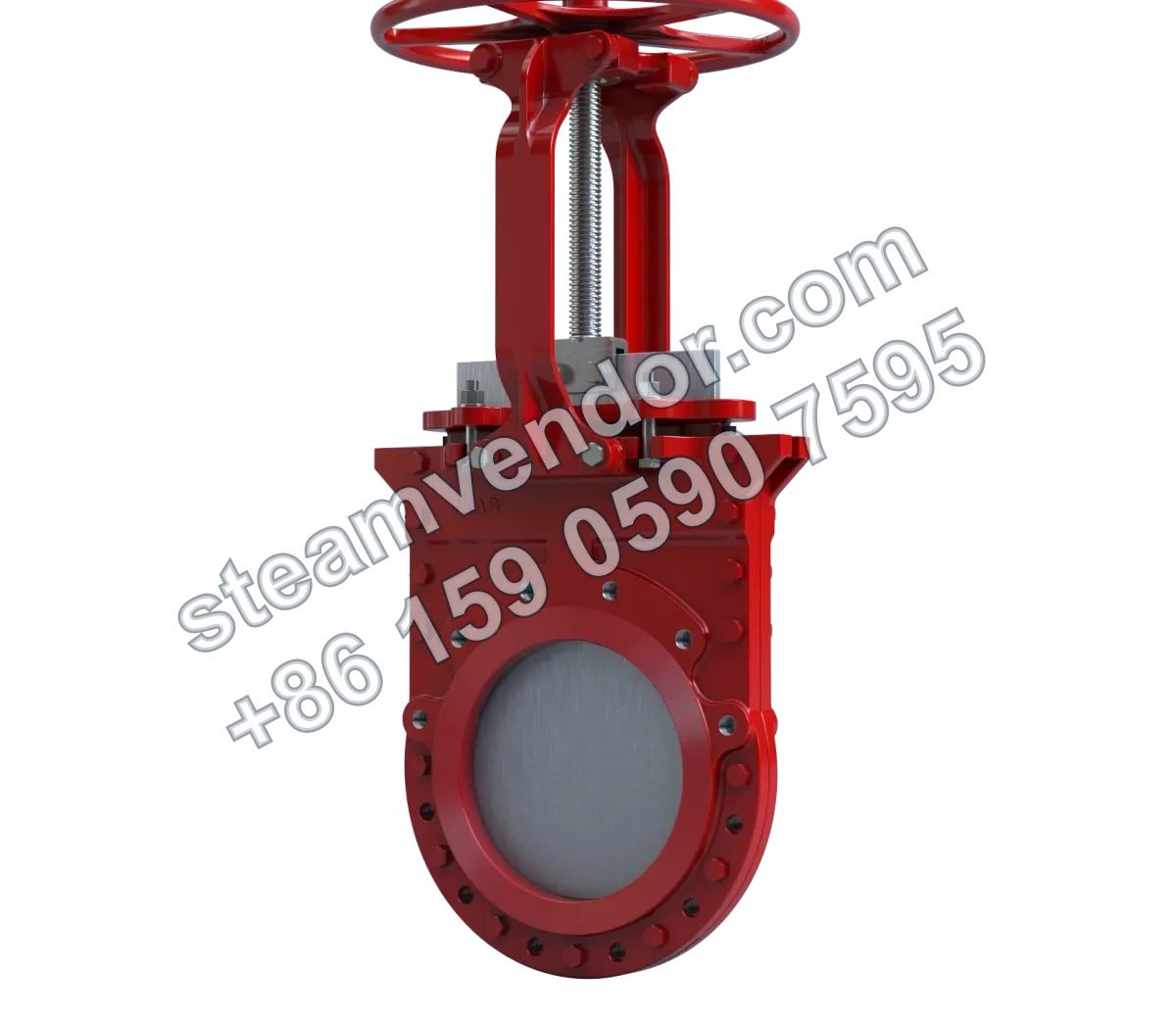
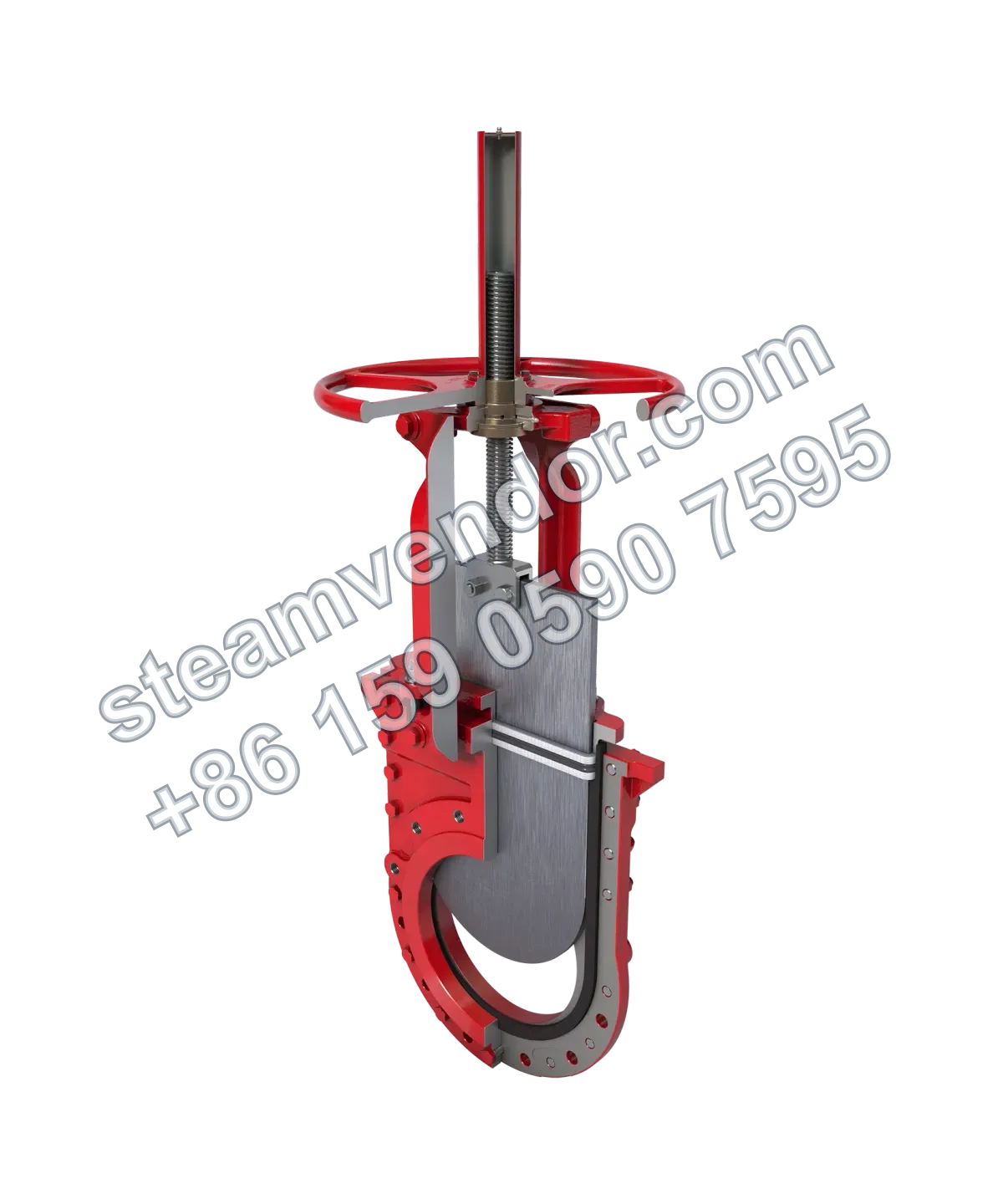
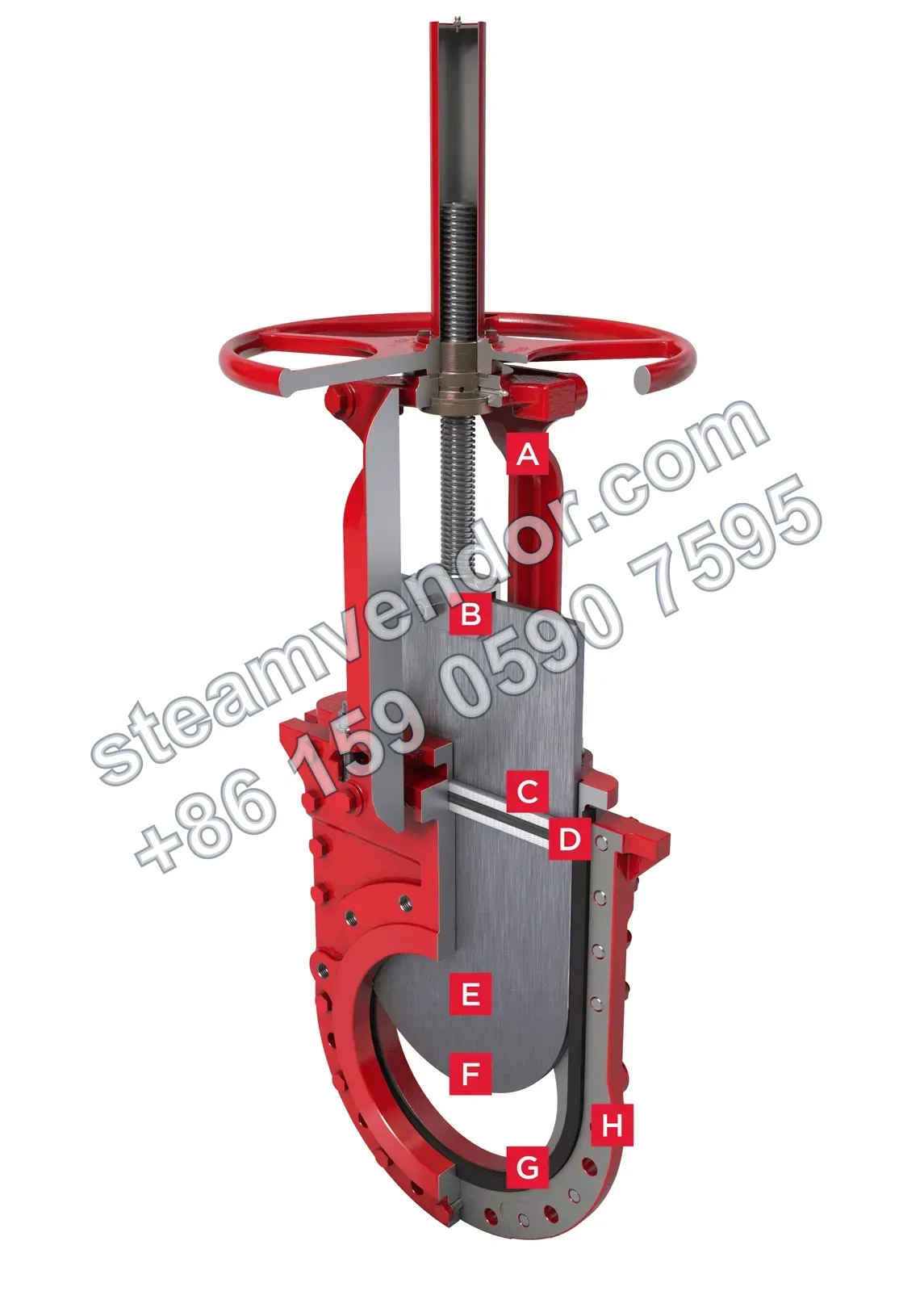
The Bray Series 752 bidirectional knife gate valve is a full-port wafer-style valve for shutoff and isolation in industrial slurry pipelines, available in sizes NPS 2 to 24. Its two-piece bolted body features a replaceable steel-reinforced resilient seat. The Series 752 has a maximum operating pressure of 16 bar and is available with a range of corrosion-resistant body and gate materials, as well as manual, pneumatic, hydraulic, or electric actuators. It is suitable for bidirectional isolation of slurries containing solids, abrasive media, or corrosive media in the mining, chemical, and power industries.
Series 752 Bidirectional Knife Gate Valve Product Image
1 / 3
Bray Series 752 Bidirectional Knife Gate Valve for Industrial Slurry Isolation
Bidirectional knife gate valve for slurry pipeline isolation, available with pneumatic, hydraulic, or electric actuators.
Genuine product assurance
We can help verify product data and purchasing details.
Model confirmation
Confirm model, connection and key options before ordering.
After-sales support
After-sales communication support is provided according to the order agreement.
Specifications
- Size Range
- NPS 2 to 24 | DN 50 to 600
- Body Type
- Two-piece bolted (wafer)
- Face-to-Face Standard
- Series 752: MSS SP-81; Series 752HP: MSS SP-135
- Maximum Allowable Operating Pressure
- Series 752: 232 psi | 16 bar; Series 752HP: 290 psi | 20 bar
- Body Materials
- Carbon steel (WCB), CF8 stainless steel, CF3 stainless steel, CF3M stainless steel, CE3MN, duplex stainless steel (SS 2507), CD3MN duplex stainless steel
- Gate Materials
- 304, 316, 317 stainless steel, SAF 2507 duplex stainless steel, SAF 2205 duplex stainless steel, 17-4PH stainless steel, Hastelloy C, Monel, Alloy 20
- Stem Material
- 304 stainless steel
- Seat Material Temperature Range
- Buna-N: -35°F to 194°F (-37°C to 90°C); EPDM: -65°F to 248°F (-54°C to 120°C); Viton: -15°F to 392°F (-26°C to 200°C)
- Maximum Packing Temperature
- Fiber-reinforced PTFE: 232°C/450°F; EPDM Quad Seal PTFE: 90°C/194°F; Viton Quad Seal PTFE: 200°C/392°F
- Design Standard
- MSS SP81
- Test Standard
- MSS SP-151
- Certification
- Canadian CRN
- Actuation Options
- Handwheel, bevel gear, pneumatic, hydraulic, electric
- Seat Type
- Replaceable steel-reinforced resilient seat
- Port Type
- Full port
Application scenarios
Slurry Pipeline Isolation in the Mining Industry
Used in high-solids, abrasive slurry pipelines in mining processes as a bidirectional on-off isolation valve. The product features a full-port flow passage, a two-piece bolted wafer-style body, and a steel-reinforced resilient seat, providing bidirectional sealing at operating pressures up to 16 bar for the standard 752 series. It can be configured with handwheel, pneumatic, or hydraulic actuators.
Corrosive Slurry Process Pipeline Isolation in the Chemical Industry
Used in slurry process pipelines in the chemical industry that contain solid particles or corrosive media as a bidirectional shutoff and isolation valve. The product is available with various stainless steel, duplex stainless steel, and corrosion-resistant alloy materials, with Buna-N, EPDM, or Viton seats available to suit the applicable temperature and media conditions.
Slurry Conveying System Isolation in the Power Industry
Used in slurry conveying systems in the power industry as a bidirectional on-off isolation valve for slurry pipelines containing solid particles. Product documentation explicitly supports slurry handling applications in the power industry and provides a full-port flow passage, a steel-reinforced resilient seat, and actuator options including pneumatic and electric actuators.
Selection points
Steel-Reinforced Replaceable Resilient Seat
Features a steel-reinforced replaceable resilient seat for slurry isolation service and supports seat maintenance and replacement.
Bidirectional Sealing for Slurry Isolation
This series uses a two-piece bolted body and peripheral seat design for bidirectional sealing isolation in slurry service.
Multiple Corrosion-Resistant Gate Material Options
The gate is available in various stainless steels, duplex stainless steels, and nickel-based alloys, allowing material selection based on the corrosion and abrasion conditions of the slurry medium.
Full-Port Flow Path
The valve features a full-port flow path design suitable for industrial slurry isolation applications.
Multiple Actuation Options
Handwheel, bevel gear, pneumatic, hydraulic, and electric actuators are available to meet manual or automated operation requirements.
Installation & maintenance notes
Check Valve Orientation and Pipeline Alignment Before Installation
The Series 752 is a bidirectional knife gate valve with a two-piece bolted wafer body. Before installation, confirm that the valve connection dimensions match the pipeline and ensure that the flanges on both sides are aligned to prevent abnormal stress on the valve and pipeline connections.
Confirm Applicable Temperature Ranges for the Seat and Packing
Before installation and commissioning, verify the seat and packing material configuration against the actual media temperature to ensure that temperatures do not exceed the allowable range for the respective materials. Available documentation indicates that Buna-N, EPDM, and Viton seats, as well as different packing configurations, have different applicable temperature ranges.
FAQ
What is the operating principle of the Series 752 bidirectional knife gate valve?
The Series 752 provides reliable slurry sealing and flow control through bidirectional zero-leakage sealing. Its seat and gate use a two-piece body construction that facilitates wafer installation and maintenance, making it suitable for high-pressure, large-diameter applications.
Which industries and applications is this valve suitable for?
It is primarily used for slurry handling in the chemical, mining, and power industries, providing stable sealing and low pressure drop under demanding operating conditions.
What actuation options are available for the Series 752, and how should they be selected?
Available options include direct-mount handwheel, bevel gear, pneumatic, hydraulic, and electric actuators. Selection should consider the site operating method, cycle frequency, control system compatibility, and required response speed. Specific models and configurations must be confirmed according to actual application conditions.
How do material and temperature ranges assist with valve selection?
Multiple material options are available for components including the body, seat, and gate. Temperature and media conditions determine the seal material selection. During selection, media corrosiveness, temperature, viscosity, and other parameters should be matched to ensure sealing reliability and durability. Specific configurations must be confirmed according to the actual model and application conditions.
How do installation and maintenance affect operating reliability?
The two-piece body design facilitates maintenance and seat replacement. The standard packing configuration provides effective sealing, while the lubrication injection port helps reduce maintenance frequency and maintain smooth operation. Specific maintenance procedures must be confirmed based on the actual site model and actuator type.
Documents
Product Brochure - Series 752 Bidirectional Knife Gate ValveProduct information · EnglishProduct Brochure - Knife Gate and Slurry Valve Product GuideProduct information · EnglishProduct Guide - Knife Gate Valves - Product GuideProduct information · EnglishIOM Manual - Series 752 Bidirectional Perimeter-Seated Knife Gate ValveManual · English