

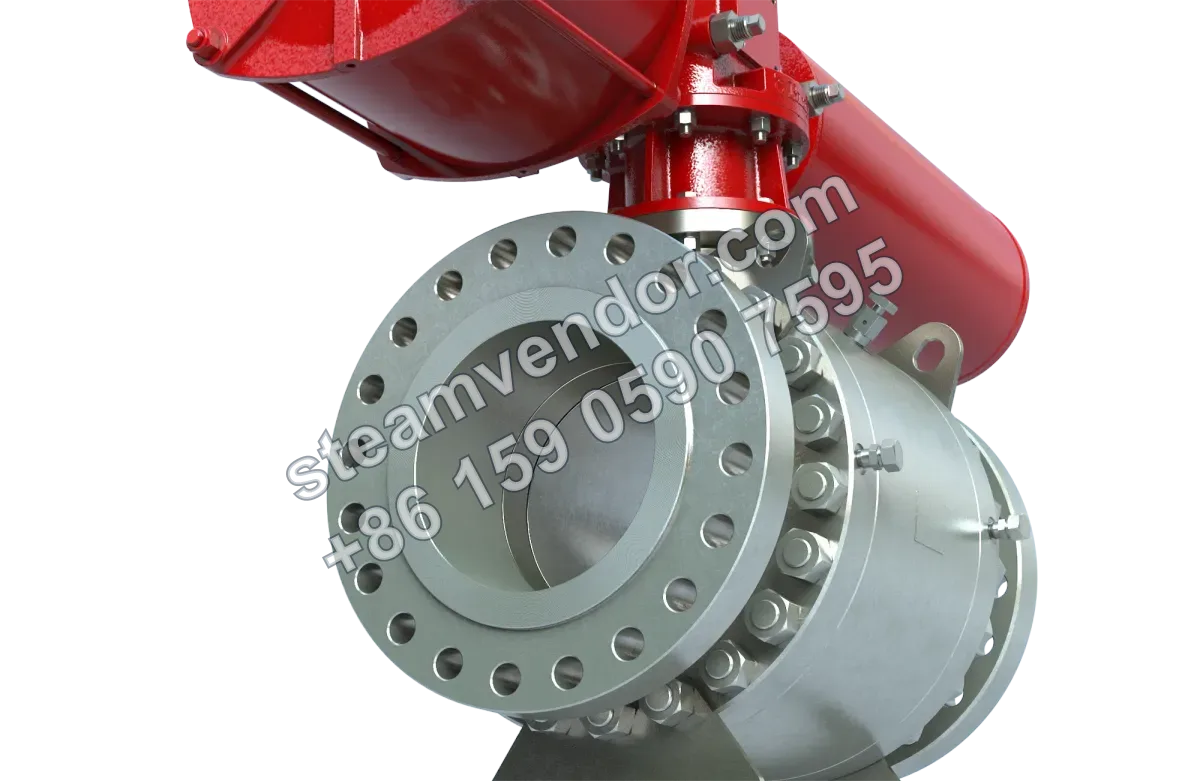
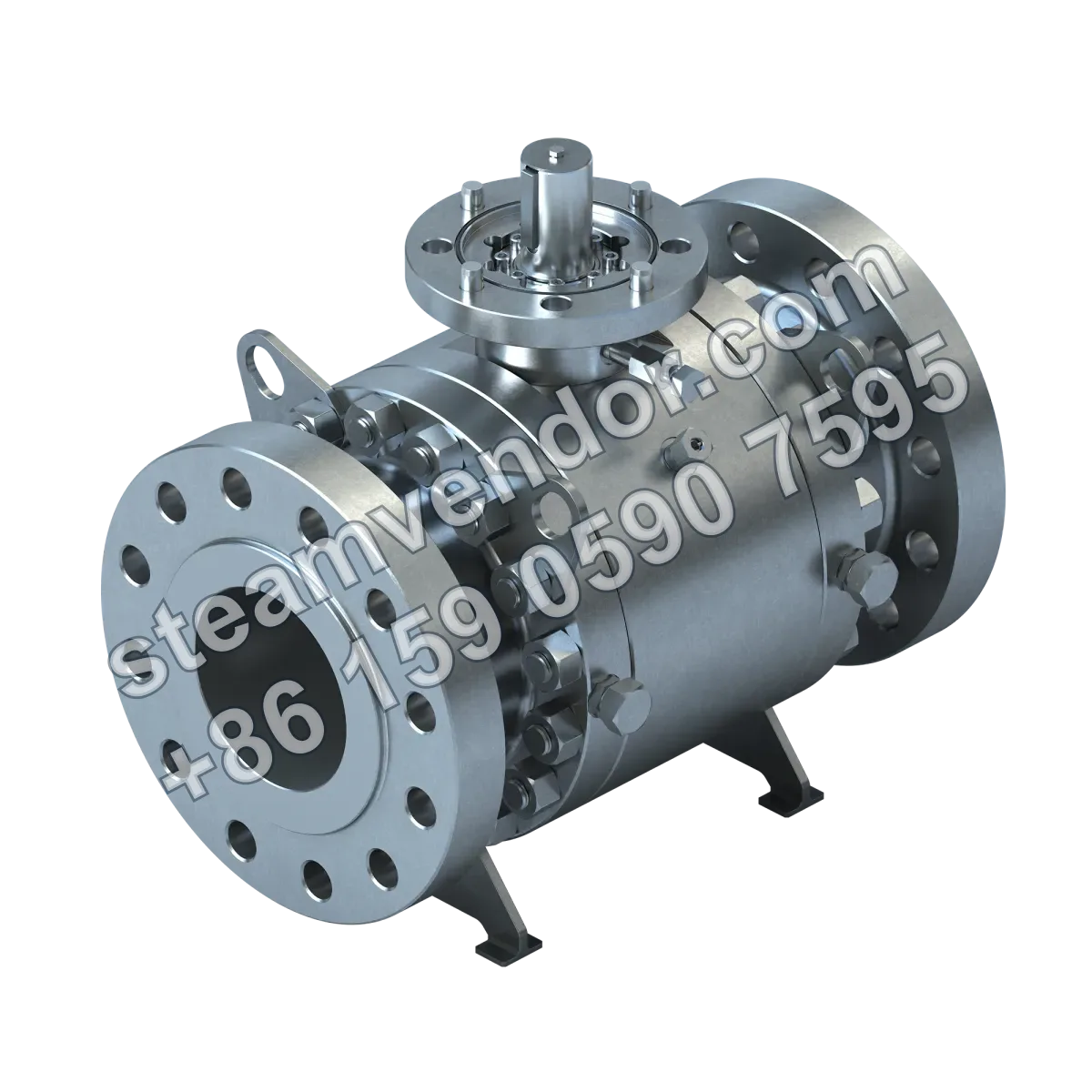
Bray 1B Series trunnion-mounted ball valves feature a full-bore design and are available with two-piece or three-piece bodies, flanged and butt-weld connections, in sizes from 2 to 24 inches. Suitable for ASME Class 150 to 1500 service at -50 to 600°F, they come standard with double block and bleed, anti-static, and blowout-proof stem designs to meet pipeline media isolation requirements.
Series 1B Trunnion-Mounted Ball Valve Product Image
1 / 3
Bray 1B Series Trunnion-Mounted Ball Valve
Full-port trunnion-mounted ball valve for double block and bleed service in high-pressure pipelines.
Genuine product assurance
We can help verify product data and purchasing details.
Model confirmation
Confirm model, connection and key options before ordering.
After-sales support
After-sales communication support is provided according to the order agreement.
Specifications
- Size Range
- 2 to 24" (50 - 600mm)
- Operating Temperature Range
- -50 to 600°F (-45 to 315°C)
- ASME Pressure Class
- Class 150, 300, 600, 900, 1500
- Body Material
- ASTM A105, ASTM A350 Gr. LF2, ASTM A182 Gr F316
- Ball Material
- ASTM A105 w/ENP, ASTM A350 Gr. LF2 w/ENP, ASTM A182 Gr. F316, ASTM A182 Gr. F316 w/ENP
- Stem Material
- ASTM A479 Type 410, 17-4PH, XM-19, ASTM A182 F316
- Seat Material
- RPTFE, Nylon, Devlon, PEEK, Tek-Fil, TFM
- Leakage Class
- Zero leakage
- Body Type
- Two-piece, three-piece
- End Connections
- Flanged, butt weld
- Port Type
- Full port
- Design Standards
- API 6D, ASME B16.34
- Face-to-Face Dimension Standard
- ASME B16.10
- Testing Standards
- API 598, API 6D
- Fire-Safe Certification
- API 607
- Fugitive Emissions Standards
- ISO 15848-1, ISO 15848-2
- Mounting Pad Standard
- ISO 5211
- Anti-static Device
- Standard
- Blowout-Proof Stem Design
- Standard
- Double Block and Bleed Function
- Standard
Selection points
Trunnion-Mounted Ball Support and Seat Overload Control
Features a trunnion-mounted ball design with upper and lower bearing plates that secure the ball in position, reducing axial ball movement and preventing seat overload.
Double Block and Bleed with Body Cavity Drain and Vent
Standard double block and bleed functionality, with a bottom drain port and top vent port in the valve body cavity to release liquid or gas trapped in the cavity when the valve is closed.
Multiple Stem Seals and Fugitive Emissions Control
The valve features pressure-energized self-tightening stem packing and a dual-seal body joint design, complying with ISO 15848-1 and ISO 15848-2 fugitive emissions standards.
Multiple Body and Seat Material Options
Available with ASTM A105, ASTM A350 Gr. LF2, and ASTM A182 Gr. F316 body materials, as well as RPTFE, nylon, Devlon, PEEK, Tek-Fil, and TFM seat materials.
ISO 5211 Automation Mounting Interface and Valve Position Indication
Equipped with an ISO 5211 mounting pad for matching the valve with automation components, along with open and closed valve position indication.
Installation & maintenance notes
Verify Compatibility Between Operating Conditions and Valve Configuration
Before installation and commissioning, verify that actual pipeline pressure, temperature, body, seat, and end connection configurations match the valve's applicable operating conditions.
Prevent Contaminants from Damaging Seats and Sealing Surfaces
Before installation, keep the pipeline and valve interior clean to prevent welding slag, scale, or other solid contaminants from entering the valve cavity, ball, seats, and sealing areas, which could affect sealing performance.
Release Residual Body Cavity Pressure Before Maintenance
Before servicing or disassembling valves with double block and bleed functionality, ensure that trapped media pressure in the closed valve body cavity has been safely relieved to prevent risks caused by cavity pressure buildup.
FAQ
What is the operating principle of the Series 1B trunnion-mounted ball valve?
This series of ball valves uses a two-piece or three-piece construction to provide double block and bleed functionality. Key components within the valve body include the ball, stem, and seats, while the sealing design enables zero-leakage operation.
In high-pressure systems, how can the valve still drain/vent when fully closed?
The valve features double block and bleed functionality, supplemented by drain and vent ports, to release liquids and gases from the cavity when the valve is fully closed and prevent pressure buildup. The specific configuration must be confirmed according to the actual model.
What is the function of emergency sealant injection, and when is it applicable?
Emergency stem sealant injection is a standard feature used to lubricate the stem seal during emergencies and enhance sealing protection. End sealant injection is an optional feature that provides additional seat sealing protection.
What are the approximate temperature and pressure ranges for this valve series?
The technical specifications cover a broad range of size and material combinations. The temperature range must be referenced to the specific model; maximum allowable operating pressure is determined by the applicable class, such as ASME 150/300/600. Specific values are subject to the actual model.
What key points should be considered during installation and maintenance to ensure safe operation?
Pay attention to the fire-safe design, anti-static device, valve position indication, ISO 5211 mounting pad, sealing maintenance of stem packing, correct installation of end connections, and periodic inspection. Specific maintenance procedures depend on site conditions and the model.
Documents
Product Brochure - Trunnion-Mounted Ball Valve Series 1BProduct information · EnglishProduct Brochure - Flow-Tek® Trunnion Ball ValveProduct information · EnglishProduct Brochure - Trunnion-Mounted Ball ValvesProduct information · EnglishIOM Manual - Trunnion-Mounted Ball ValvesManual · EnglishIOM Manual - Trunnion-Mounted Cast Steel Ball ValvesManual · EnglishSafety Manual - Series 1B Trunnion-Mounted Ball ValveManual · EnglishSales Data Sheet - Fast-Response Valve Solutions Meeting HIPPS RequirementsProduct information · English