

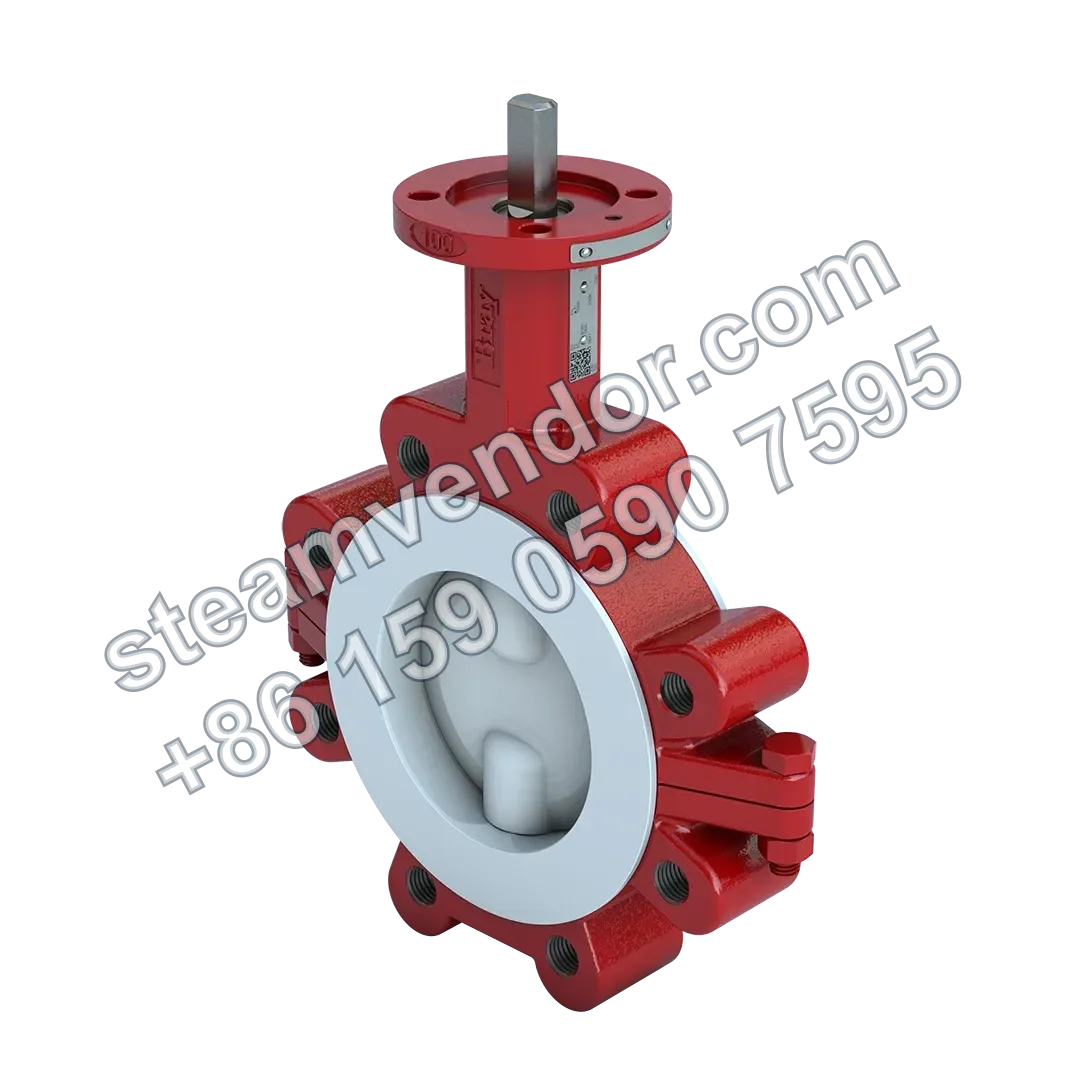
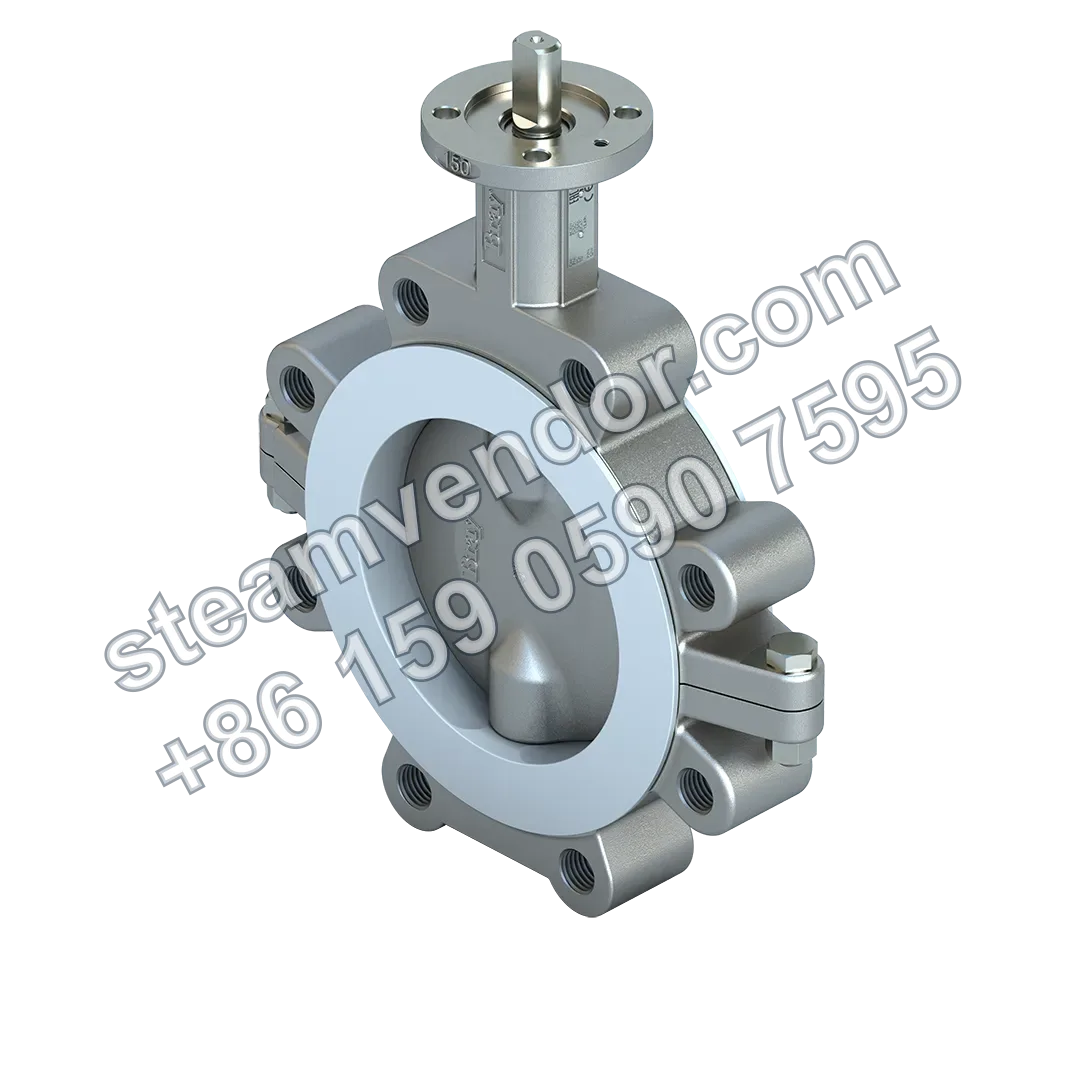
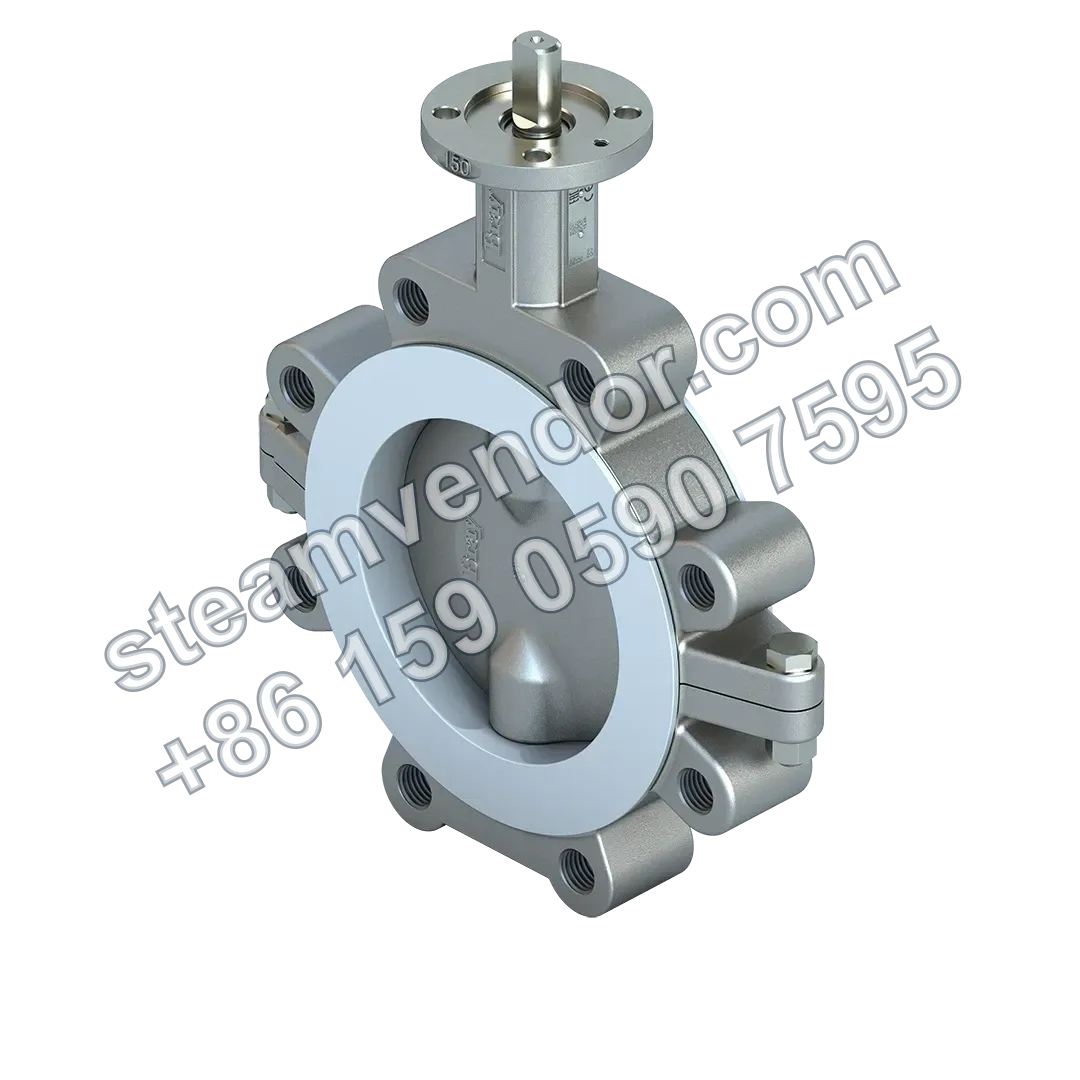
The Bray 2-Cx PTFE-lined butterfly valve is designed for shutoff and isolation in corrosive media piping, available with wafer and lug-style bodies. Sizes range from DN 50 to 600, with a maximum allowable pressure of 10 bar and an operating temperature range of -20°C to 200°C. PTFE, MPTFE, or conductive PTFE seats are paired with an encapsulated disc design. Suitable for chemical liquids and gases, food and beverage, pharmaceutical, and water treatment systems.
2-Cx PTFE-Lined Butterfly Valve Product Image
1 / 3
Bray 2-Cx PTFE-Lined Butterfly Valve
PTFE-lined butterfly valve for isolating corrosive media, supporting conductive PTFE seats
Genuine product assurance
We can help verify product data and purchasing details.
Model confirmation
Confirm model, connection and key options before ordering.
After-sales support
After-sales communication support is provided according to the order agreement.
Specifications
- Size Range
- DN 50 to 600 / NPS 2 to 24
- Operating Temperature Range
- -20C to 200C
- Maximum Allowable Operating Pressure
- 10 bar / 150 psi
- Body Type
- Wafer, Lug
- Flange Connection Standard
- EN 1092-1 PN 10 / ASME B16.5 Cl. 125/150
- Top Flange Standard
- ISO 5211
- Face-to-Face Dimension Standard
- EN 558 Series 20 / API 609
- Body Material
- Low-temperature ductile iron (EN 5.3103) / ductile iron (ASTM A395)
- Disc Material
- Stainless steel / duplex stainless steel
- Stem Material
- Stainless steel / duplex stainless steel
- Seat Material
- PTFE / MPTFE / conductive PTFE
- Fluoropolymer Lining Thickness
- Minimum 3 mm (seat and disc encapsulation)
- Fugitive Emissions Rating
- ISO 15848-1 / TA-Luft VDI 2440
- Safety Integrity Level
- IEC 61508 SIL 3
- Explosion Protection Certification
- ATEX 2014/34/EU
- Leakage Test Rating
- EN 12266-1 Class A / API 598
Application scenarios
Isolation of Chemical Liquid Transfer Pipelines
Used for opening, closing, and isolating corrosive chemical liquid pipelines in chemical plants. The PTFE or MPTFE valve seat and disc encapsulation design is suitable for chemical media and helps maintain reliable sealing.
Chemical Gas Pipeline Network Shutoff
Used for switching and isolating chemical gas pipelines in chemical production, storage, and transportation systems. The product is suitable for chemical gas applications and provides fugitive emission performance ratings in accordance with ISO 15848-1 and TA-Luft VDI 2440.
Food and Beverage Process Media Pipelines
Used for opening, closing, and isolating process media pipelines in food and beverage production. The product features a PTFE, MPTFE, or conductive PTFE valve seat and disc encapsulation design and is suitable for the food and beverage applications specified in the product documentation.
Pharmaceutical Process Media Pipelines
Used for opening, closing, and isolating process media pipelines in pharmaceutical production facilities. The product features a PTFE, MPTFE, or conductive PTFE valve seat and disc encapsulation design and meets the EN 12266-1 leakage test rating, Class A, making it suitable for the pharmaceutical applications specified in the product documentation.
Water and Wastewater Treatment Pipelines
Used for switching and isolating chemical or corrosive treatment media pipelines in water and wastewater treatment systems. The product features a PTFE-lined design and is explicitly specified in the product documentation as suitable for water and wastewater treatment applications.
Selection points
Minimum 3 mm fluoropolymer lining on seat and disc
The seat and disc are coated with a fluoropolymer lining with a minimum thickness of 3 mm.
Fugitive emissions and functional safety compliance
Complies with ISO 15848-1 and TA-Luft VDI 2440 fugitive emissions requirements and is capable of IEC 61508 SIL 3.
Wafer and lug body options
The same series is available in wafer and lug body configurations to suit different pipeline connection requirements.
Standardized flange and actuator mounting interfaces
Flange drilling is compatible with EN 1092-1 PN 10 and ASME B16.5 Cl. 125/150, while the top flange conforms to ISO 5211.
Conductive PTFE seat material option
Available seat materials include PTFE, MPTFE, and conductive PTFE.
Compliant with EN 12266-1 Class A and API 598 leak testing
Leak testing is performed in accordance with EN 12266-1 Class A and API 598.
Installation & maintenance notes
Verify pipeline flange and valve connection standards
Before installation, confirm that the pipeline flange matches the selected valve connection flange drilling standard, including EN 1092-1 PN 10 or ASME B16.5 Class 125/150, to ensure correct valve positioning and fastening.
FAQ
What is the operating principle of the PTFE-lined 2-Cx butterfly valve?
The valve uses a PTFE-lined seat and disc assembly, with a stem sealing system that provides sealing performance across different media. The disc opens by lifting and closes by contacting the seat to form a seal.
Which key parameters should be considered when selecting this valve?
Consider the size range (DN 50-600 / NPS 2-24), temperature range (-20°C to 200°C), maximum allowable operating pressure (10 bar/150 psi), flange drilling and body type, and whether the required sealing and material standards meet the application conditions.
What are the technical advantages for corrosive or chemical gas media?
The PTFE-lined seat and lining construction, combined with an anti-static design and self-adjusting packing seal, provides stable sealing and low-leakage performance for corrosive media while complying with multiple standards and certifications.
How should the installation and maintenance requirements of this valve be assessed?
The valve uses wafer or lug flange connections. During installation, ensure flange alignment and comply with applicable standards. Routine maintenance should focus on seat and stem seal condition, bearing lubrication, and management of actuator side loads. Specific procedures should be confirmed according to the actual model.
How can surface identification and traceability information for this model be obtained?
Each valve is equipped with a scannable product identification label that complies with applicable standards, enabling rapid unique identification and traceability. Specific label implementation details comply with IEC 61406.
Documents
Product Brochure - Cx Series Bray ComponentsProduct information · EnglishProduct Brochure - Cx Line Notre ÉlémentProduct information · EnglishProduct Brochure - Cx Series Bray ComponentsProduct information · EnglishProduct Brochure - Cx Line Nuestro ElementoProduct information · EnglishDeclaration of Conformity - EU-KonformitätserklärungProduct information · EnglishDeclaration of Conformity - Declaración de Conformidad de la UEProduct information · EnglishDeclaration of Conformity - EU Declaration of ConformityProduct information · EnglishDeclaration of Conformity - Déclaration UE De ConformitéProduct information · EnglishDeclaration of Conformity - Deklaracja Zgodności UEProduct information · EnglishIOM Manual - PTFE-Lined Butterfly Valve 2-CxManual · EnglishIOM Manual - uzavírací klapka s výstelkou z PTFE 2-CxManual · EnglishIOM Manual - Vanne Papillon Revêtue PTFE 2-CxManual · EnglishIOM Manual - Absperrklappe Mit PTFE-auskleidung 2-Cx.Manual · EnglishIOM Manual - Przepustnica z Uszczelnieniem PTFE 2-CxManual · EnglishIOM Manual - Válvula Borboleta Revestida em PTFE 2-CxManual · EnglishIOM Manual - Válvula Mariposa con Revestimiento de PTFE 2-CxManual · EnglishTechnical Sales Manual - PTFE-Lined Butterfly Valve 2-CxManual · EnglishTechnical Sales Manual - uzavírací klapka s výstelkou z PTFE 2-CxManual · EnglishTechnical Sales Manual - Vanne Papillon Revêtue PTFE 2-CxManual · EnglishTechnical Sales Manual - Absperrklappe Mit PTFE-auskleidung 2-CxManual · EnglishTechnical Sales Manual - Przepustnica Z Uszczelnieniem PTFE 2-CxManual · EnglishTechnical Sales Manual - Válvula Borboleta Revestida em PTFE 2-CxManual · EnglishTechnical Sales Manual - Válvula Mariposa Con Revestimiento De PTFE 2-CxManual · EnglishProduct Brochure - Cx Line Notre ÉlémentProduct information · EnglishSales Data Sheet - uzavírací klapka s výstelkou z PTFE 2-CxProduct information · EnglishSales Data Sheet - PTFE-Lined Butterfly Valve 2-CxProduct information · EnglishSales Data Sheet - Revêtu PTFE 2-Cx.Product information · EnglishProduct Brochure - Cx Series Bray ComponentsProduct information · EnglishSales Data Sheet - PTFE - Ausgekleidet 2-CxProduct information · EnglishSales Data Sheet - 2-Cx Z Powłoką PTFEProduct information · EnglishSales Data Sheet - Válvula Borboleta Revestida em PTFE 2-CxProduct information · EnglishSales Data Sheet - Revestimiento PTFE 2-CxProduct information · English