

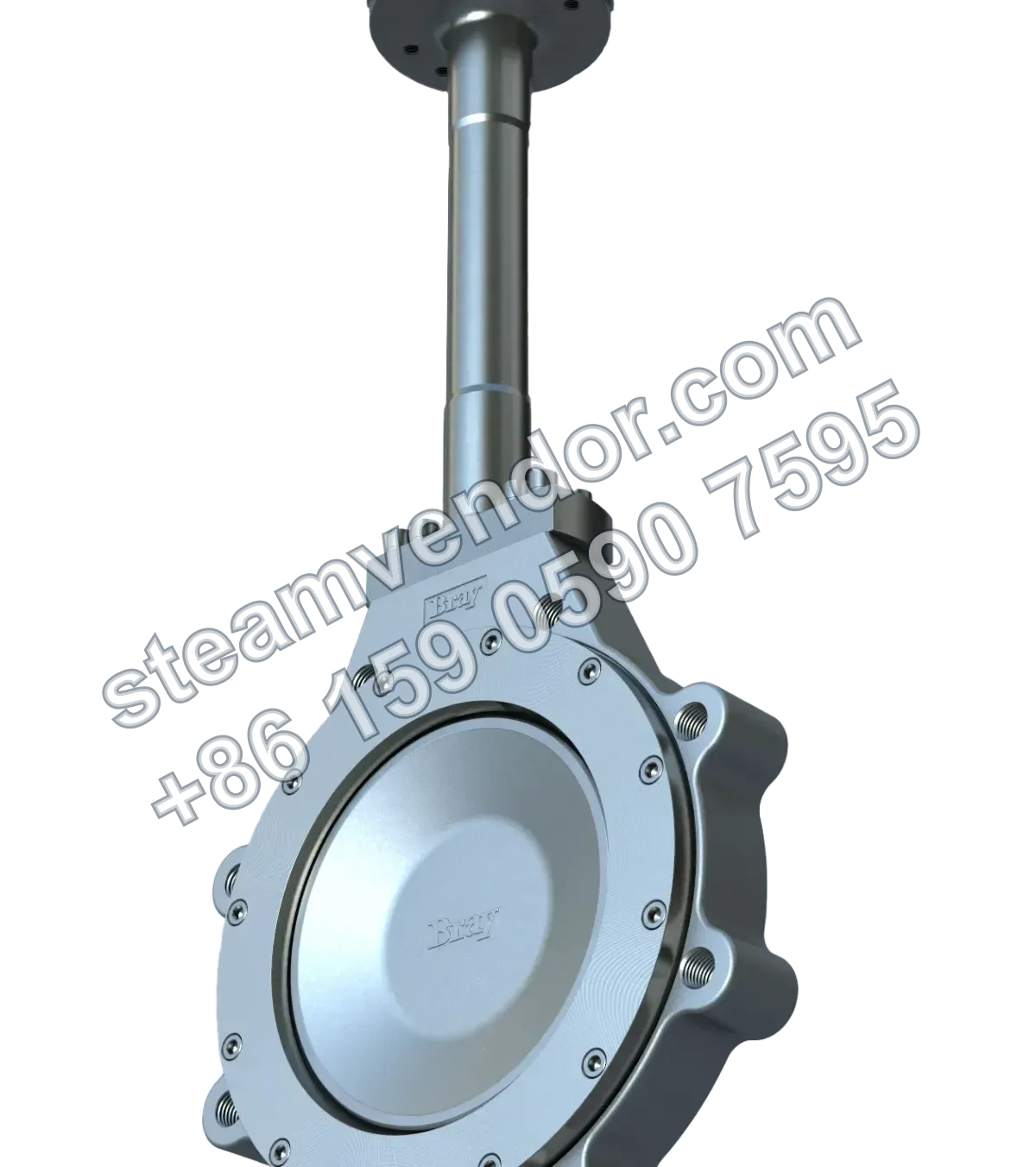
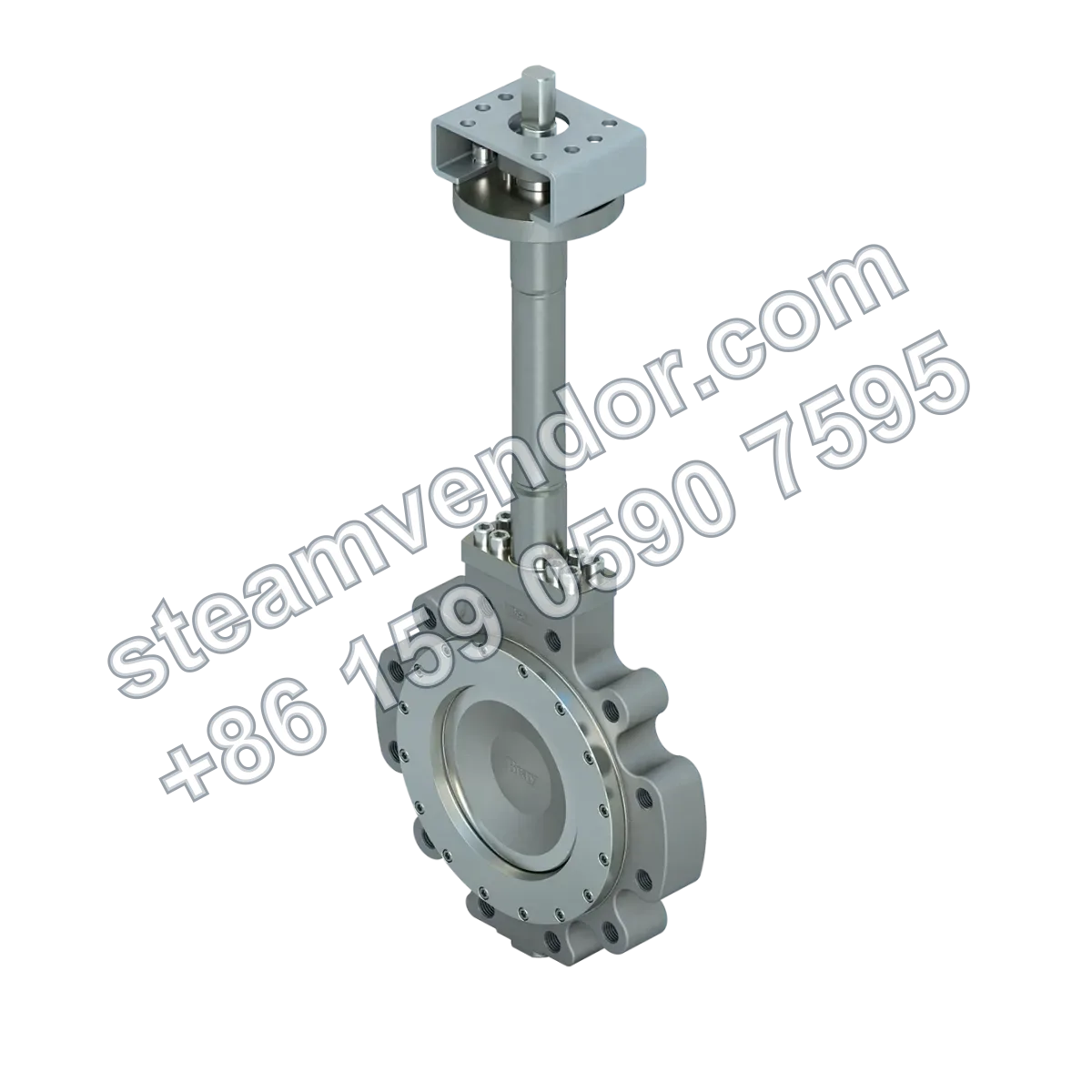
Bray McCannalok™ cryogenic butterfly valves are designed for shutoff and control in pipelines handling cryogenic media such as liquid oxygen, liquid nitrogen, and LNG. The valve body and disc are made of 316 stainless steel, with an XM-19 stem and Polar seat, suitable for temperatures from -196°C to +121°C. Wafer and lugged configurations are available. Suitable for LNG liquefaction and receiving terminals, air separation, aerospace ground supply, ethylene processing, and industrial refrigeration systems.
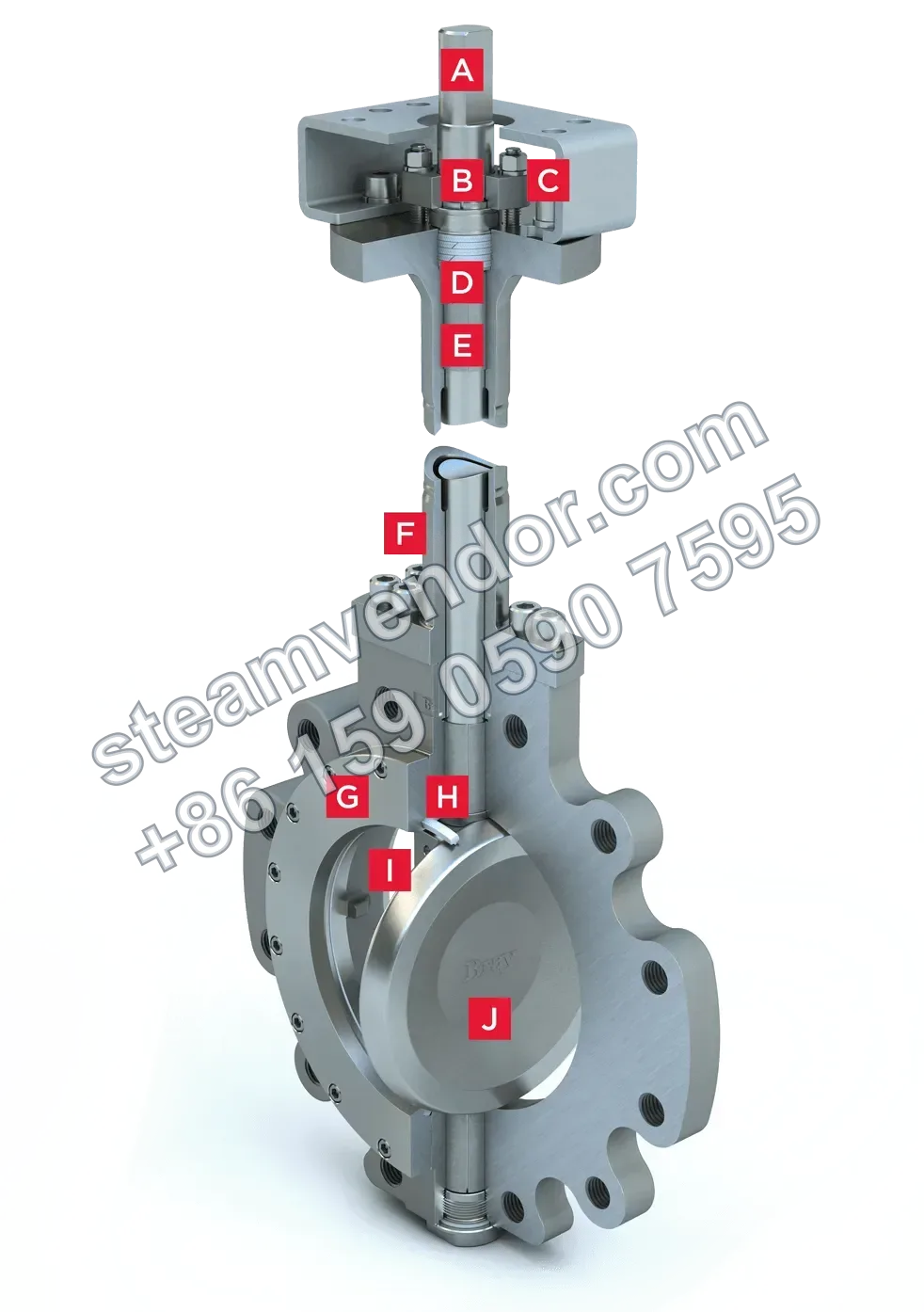
McCannalok cryogenic high-performance butterfly valve cross-sectional view
1 / 3
Bray McCannalok™ Cryogenic High Performance Butterfly Valve (LOX and LNG Applications)
Cryogenic butterfly valve for pipelines handling low-temperature media such as LOX and LNG, featuring a 316 stainless steel body and Polar seat.
Genuine product assurance
We can help verify product data and purchasing details.
Model confirmation
Confirm model, connection and key options before ordering.
After-sales support
After-sales communication support is provided according to the order agreement.
Specifications
- Size Range
- NPS 3 to 24 / DN 80 to 600
- Body Material
- 316 stainless steel
- Temperature Range
- -320°F to +250°F (-196°C to +121°C)
- Stem Material
- XM-19
- Maximum Allowable Operating Pressure
- ASME Class 150, 300; EN 1092 PN 10, 16, 25, 40
- Seat Material
- Polar seat
- Leakage Class
- Zero leakage (at ambient temperature); BS 6364 (at cryogenic temperatures); ISO 28921 (at cryogenic temperatures)
- Disc Material
- 316 stainless steel
- Body Type
- Wafer, lug
- Flange Drilling
- ASME B16.5, EN 1092
- Face-to-Face Dimension
- ASME B16.10, API 609, EN 558, ISO 5752
- Certifications
- ABS, ATEX, Bureau Veritas, CCS, DNV, PED, PE(S)R
Application scenarios
LNG liquefaction plant cryogenic process pipelines
Used for controlling cryogenic medium pipelines during the LNG liquefaction process. The product is explicitly suitable for liquefied natural gas and LNG liquefaction applications, with an operating temperature range of -196°C to +121°C, and uses a Polar seat to provide cryogenic sealing performance.
LNG receiving terminals and processing systems
Used for controlling cryogenic medium pipelines at LNG receiving terminals and during LNG processing. Product documentation explicitly lists LNG receiving terminal and LNG processing applications, with a cryogenic sealing rating compliant with BS 6364 and ISO 28921.
Liquid oxygen and liquid nitrogen pipelines in air separation units
Used for process pipelines carrying cryogenic liquids such as liquid oxygen and liquid nitrogen in air separation units. The product is explicitly suitable for air separation, liquid oxygen, and liquid nitrogen applications, and is designed to handle demanding ultra-low-temperature media.
Aerospace liquid oxygen ground supply systems
Used for cryogenic liquid oxygen medium pipelines in the aerospace sector. Product documentation explicitly lists aerospace and liquid oxygen applications and states that the product is suitable for demanding ultra-low-temperature media such as liquid oxygen.
Ethylene cryogenic processing plants
Used for controlling cryogenic medium pipelines in ethylene cryogenic processing plants. Product documentation explicitly lists ethylene applications, and the valve temperature range is -196°C to +121°C.
Cryogenic medium pipelines in industrial refrigeration systems
Used for controlling cryogenic medium pipelines in industrial refrigeration systems. Product documentation explicitly lists refrigeration applications, and the valve temperature range is -196°C to +121°C.
Selection points
Ultra-Low-Temperature Sealing Class and Seat Configuration
Features a Polar seat and lists BS 6364 and ISO 28921 cryogenic sealing classes, suitable for liquid oxygen, LNG, and other cryogenic liquid service conditions.
Cryogenic Main Component Material Configuration
The valve body and disc are made of 316 stainless steel, and the stem is made of XM-19, providing a reference for selecting and verifying materials for the main components of ultra-low-temperature valves.
Oxygen Cleaning Capability
The manufacturer provides precision cleaning capability to meet oxygen-cleaning requirements, supporting project verification for applications such as liquid oxygen that require high cleanliness.
Wafer and Lug Connection Compatibility
Available in wafer and lug body configurations. Flange drilling supports ASME B16.5 and EN 1092, while face-to-face dimensions comply with ASME B16.10, API 609, EN 558, and ISO 5752.
Installation & maintenance notes
Flange Standard and Valve Body Configuration Matching
Before installation, confirm that the mating pipeline flanges match the valve flange system and connect correctly according to the wafer or lug body configuration. The valve flange drilling is suitable for ASME B16.5 or EN 1092 standards.
FAQ
How does the McCannalok cryogenic butterfly valve achieve sealing performance in cryogenic media such as liquid oxygen and LNG?
The McCannalok cryogenic butterfly valve uses a Polar® seat and a dedicated stem packing system to provide stable sealing performance in cryogenic environments. Its leakage-tested and cryogenically certified design ensures sealing reliability. Actual sealing performance depends on the specific medium and operating conditions and must be confirmed for the applicable model and application.
How does the valve design improve safety and reliability at cryogenic temperatures?
An anti-blowout stem design, field-adjustable stem packing, and an extended bonnet work together to improve safety and reliability under cryogenic operating conditions, ensuring positive stem and packing sealing and stable operation during cooling and thermal cycling.
What are the key operating temperature and pressure considerations for the McCannalok cryogenic butterfly valve?
The operating temperature range is -320°F to +250°F (-196°C to +121°C). Maximum allowable operating pressure is ASME Class 150/300 or EN 1092 PN 10/16/25/40. Specific values must be referenced to the applicable model and flange standard.
What are the key material and component features of this valve series?
The body is 316 stainless steel, the stem is XM-19, the seat is a Polar® seat, and the disc is also 316 stainless steel. A dedicated packing system provides positive sealing, meeting process requirements for cryogenic gas media. Specific material grades are subject to the applicable model.
How should the valve be selected to meet process requirements for cryogenic media?
Selection is recommended based on medium type, pressure class, temperature range, connection type (wafer/lug), flange standard, and required certifications. The specific configuration must be confirmed according to the applicable model and operating conditions.
Documents
Application Guide - Steam Turbine Shutoff and Anti-Surge ValvesProduct information · EnglishIOM Manual - McCannalok™ Cryogenic High-Performance Butterfly ValveManual · EnglishIOM Manual - McCannalok™ Series Cryogenic High-Performance Butterfly ValveManual · ChineseIOM Manual - McCannalok™ Series Cryogenic High-Performance Butterfly ValvesManual · EnglishIOM Manual - McCannalok™ Series Cryogenic High-Performance Butterfly ValveManual · EnglishTechnical Sales Manual - Cryogenic High-Performance Butterfly ValveManual · ChineseTechnical Sales Manual - McCannalok™ Cryogenic High-Performance Butterfly ValveManual · EnglishTechnical Sales Manual - McCannalok™ Series Cryogenic High-Performance Butterfly ValvesManual · EnglishTechnical Sales Manual - McCannalok™ Series Cryogenic High-Performance Butterfly ValveManual · EnglishSales Data Sheet - McCannalok™ Series Cryogenic High-Performance Butterfly ValveProduct information · ChineseSales Data Sheet - McCannalok™ Series High-Performance Cryogenic Butterfly ValveProduct information · EnglishSales Data Sheet - McCannalok™ CryogenicProduct information · EnglishSales Data Sheet - McCannalok™ Series Cryogenic High-Performance Butterfly ValvesProduct information · EnglishSales Data Sheet - McCannalok™ Series Cryogenic High-Performance Butterfly ValveProduct information · English