

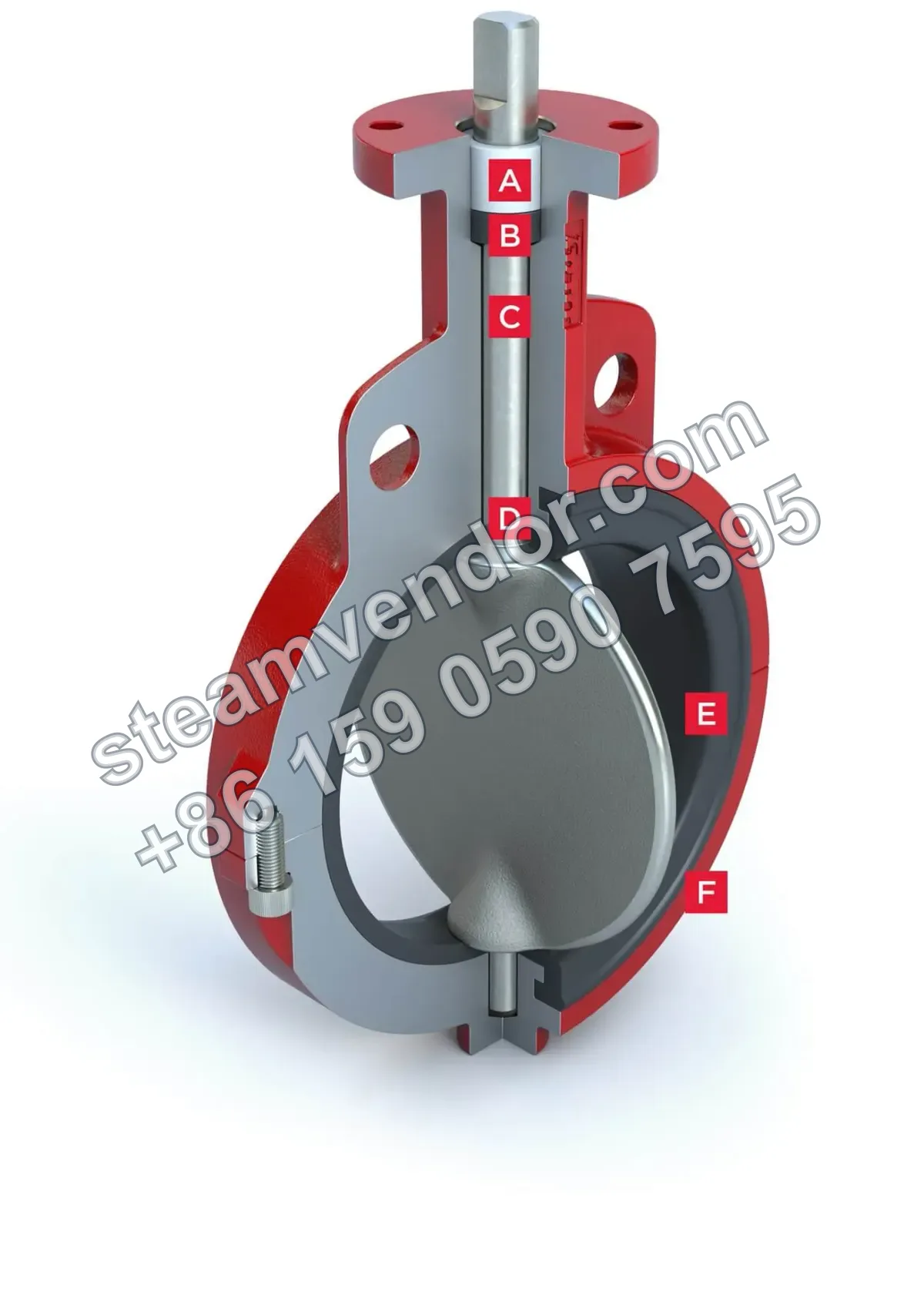
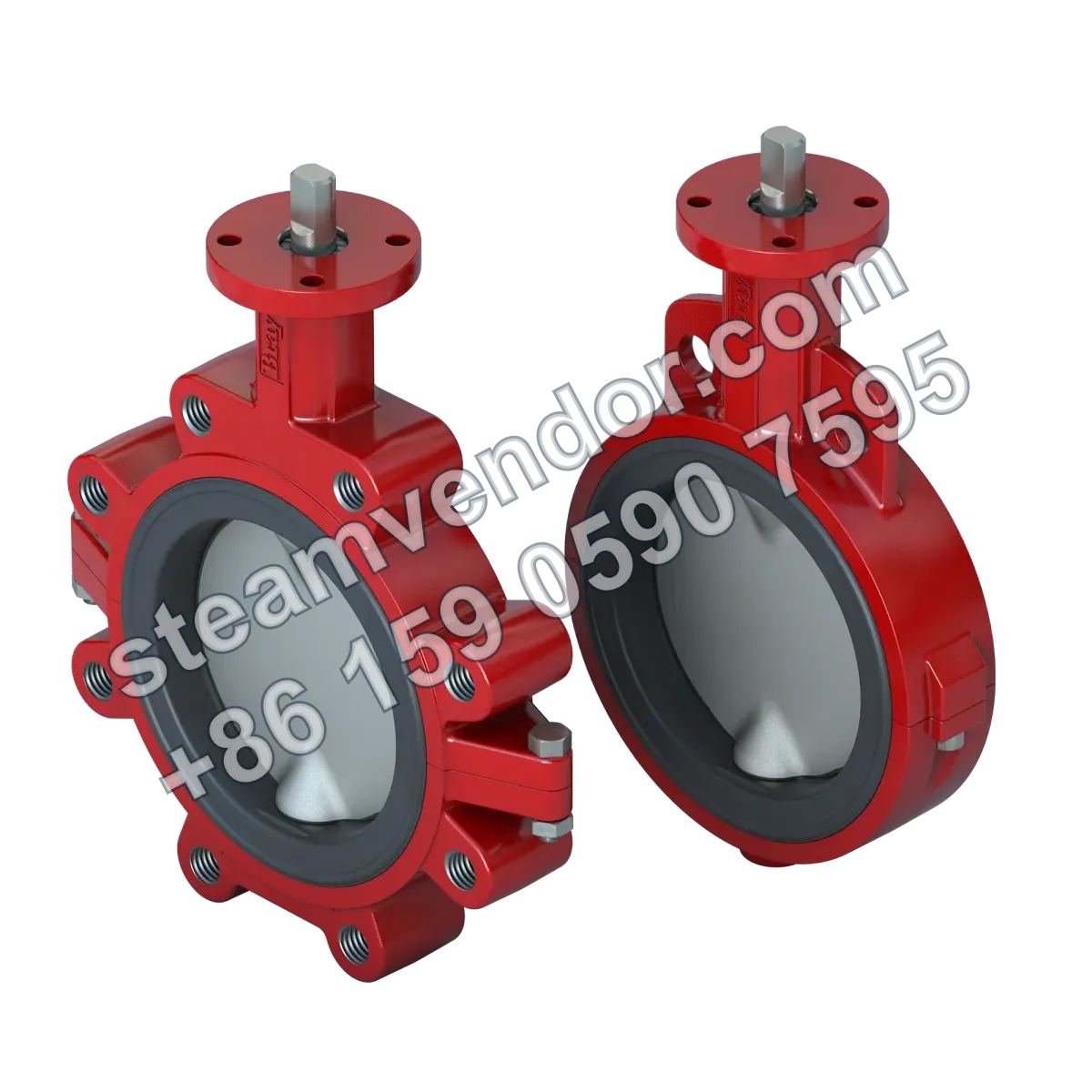
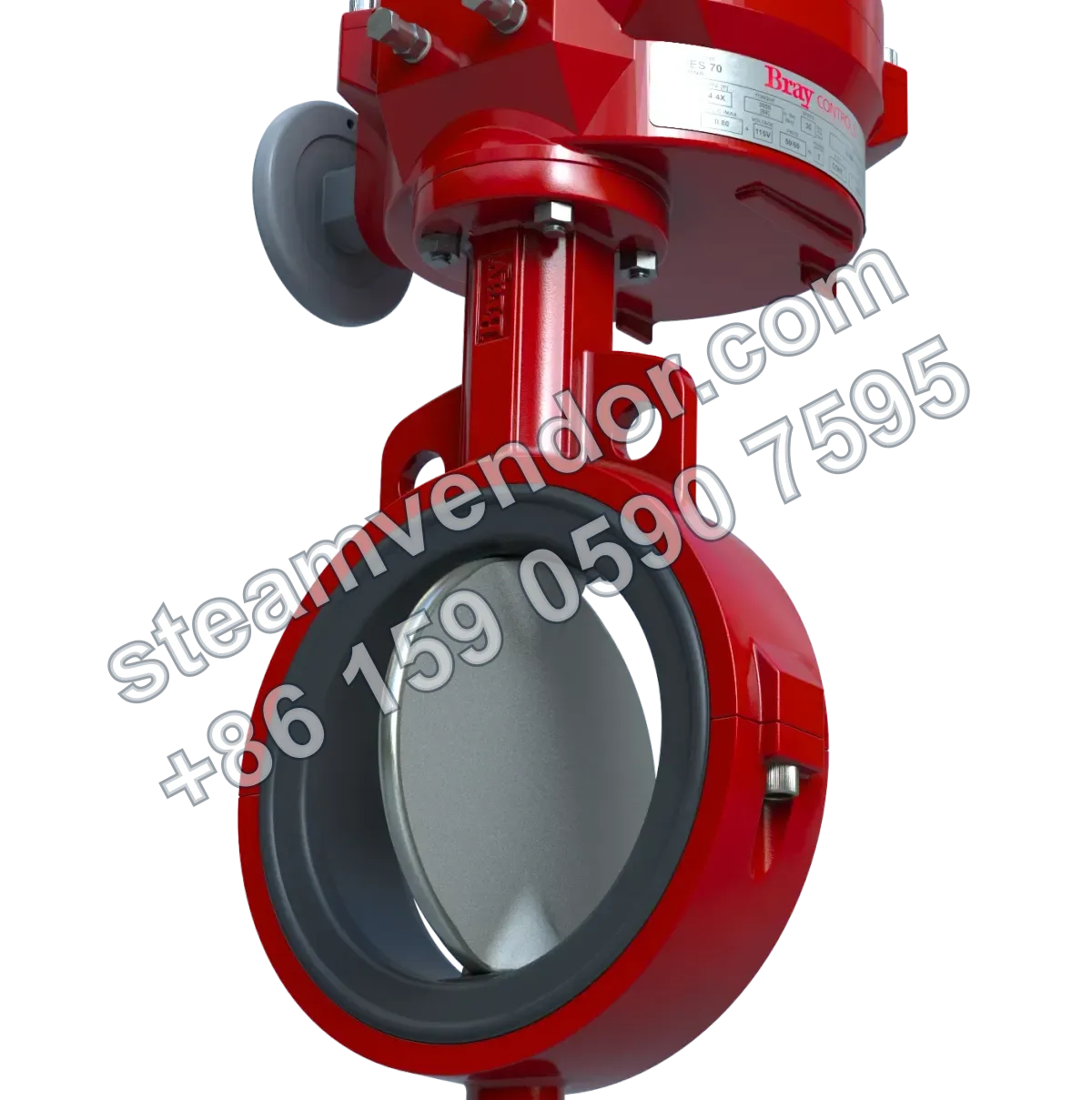
Bray Series 20/21 resilient-seated butterfly valves are available in wafer and lug body designs for NPS 1 to 20 (DN 25 to 500) pipeline isolation, with a maximum allowable operating pressure of 150 psi (10 bar). A range of body and seat materials is available, providing bidirectional bubble-tight shutoff from -29°C to 204°C for food and beverage, mildly corrosive chemical media, and toxic media pipelines.
Series 20-21 resilient-seated butterfly valve features
1 / 3
Bray Series 20/21 Resilient-Seated Butterfly Valves (Wafer/Lug Style)
Resilient-seated butterfly valves for isolation in sanitary and mildly corrosive media, available with multiple seat materials
Genuine product assurance
We can help verify product data and purchasing details.
Model confirmation
Confirm model, connection and key options before ordering.
After-sales support
After-sales communication support is provided according to the order agreement.
Specifications
- Nominal Size Range
- NPS 1 to 20 / DN 25 to 500
- Maximum Allowable Operating Pressure
- 150 psi (10 bar)
- Operating Temperature Range
- -20°F to 400°F (-29°C to 204°C)
- Body Style
- Wafer, lug
- Body Materials
- Cast iron, ductile iron, stainless steel, aluminum
- Seat Materials
- EPDM, BUNA-N, PTFE-lined EPDM, FKM, polyurethane
- Disc/Stem Materials
- Stainless steel, EPDM-molded stainless steel, BUNA-N-molded stainless steel
- Shutoff Rating
- Bidirectional bubble-tight shutoff
- Design Standards
- MSS SP-67, API 609 Category A
- Testing Standards
- MSS SP-61, API 598, EN 12266-1
- Flange Drilling Standards
- ASME B16.1 Class 125, ASME B16.5 Class 150, EN 1092 PN 10
- Face-to-Face Standards
- MSS SP-67, API 609 Category A, EN 558
- Certifications
- ABS, ATEX, Bureau Veritas, DNV, NSF 61/372, PED, PE(S)R, SIL
Application scenarios
Isolation of Food and Beverage Process Pipelines
Used for fluid transfer and process pipeline isolation in food and beverage production. This series is suitable for sanitary services, features a one-piece disc-and-stem design, and provides bidirectional bubble-tight sealing.
Pipelines for Mildly Corrosive Chemical Media
Used for the transfer, distribution, and isolation of mildly corrosive media in chemical systems. This series offers a rubber-lined seat and seat material options including EPDM, BUNA-N, PTFE-lined EPDM, FKM, and polyurethane.
Isolation of Pipelines for Toxic Media
Used for the transfer of toxic media and process pipeline isolation. Product documentation for this series explicitly lists applications involving toxic media and provides bidirectional bubble-tight sealing.
Selection points
High Cv and low pressure drop
Product documentation for this series explicitly identifies high Cv and low pressure drop, making it suitable for selections where valve flow capacity and system pressure drop are key considerations.
One-piece disc/stem construction
This series features a one-piece disc/stem construction, as clearly stated in the product documentation.
Multiple seat and disc/stem material configurations
Available seat options include EPDM, BUNA-N, PTFE-lined EPDM, FKM, and polyurethane. Disc/stem configurations include stainless steel, EPDM-molded stainless steel, and BUNA-N-molded stainless steel, allowing material combinations to be selected according to the medium and operating conditions.
Series 20 wafer and Series 21 lug body options
Series 20 uses a wafer-style body with flange locating holes, while Series 21 uses a lug-style body suitable for dead-end service. Select according to piping connection and installation requirements.
Installation & maintenance notes
Verify flange alignment and disc clearance
Before installation, confirm that the internal diameters of adjacent piping and flanges are compatible with the valve configuration, and ensure that the disc will not interfere with the pipe wall or flange bore during opening and closing. This prevents damage to the disc or resilient seat that could result in seal failure.
Avoid installing additional gaskets between the valve and flanges
The molded flange sealing profile of the resilient seat in this series serves as the sealing surface for flange connections. Additional gaskets between the valve and pipe flanges are generally not required, as they may affect the sealing profile and cause leakage.
FAQ
What is the operating principle of Series 20/21 resilient-seated butterfly valves?
This series uses a one-piece disc/stem design. The seat and flat disc surface achieve bidirectional bubble-tight shutoff through compression molding, while stem packing provides a seal between the seat and body. This delivers high Cv and low pressure drop and is suitable for sanitary and toxic media applications. Specific configurations must be confirmed according to the actual model and application conditions.
How do Series 20 and Series 21 differ in field applications?
Series 20 features a wafer-style body with flange locating holes and is suitable for general pipeline connections. Series 21 is lug-style and suitable for end-of-line applications and applications requiring support. Specific selection must be confirmed based on system interface standards and installation conditions.
What are the applicable temperature and pressure ranges for these resilient-seated butterfly valves?
The temperature range is -29°C to 204°C, and the maximum allowable working pressure is 10 bar. Actual operating conditions may vary depending on the body material and seal combination; refer to the applicable model.
How are the seat and disc maintained and replaced?
The valve features a one-piece disc/stem design, and the two-piece wafer or lug body structure facilitates assembly and maintenance. Perform actual maintenance according to site maintenance procedures and the instructions supplied with the model to ensure media isolation and seal integrity.
What value does this valve series provide in sanitary, food, and chemical media applications?
High Cv, low pressure drop, bidirectional bubble-tight shutoff, a one-piece disc/stem design, and sanitary certification features provide reliable sealing and corrosion resistance in applications requiring high cleanliness and reduced media contact. Specific configurations must be confirmed according to the actual model.
Documents
Product Brochure - Resilient-Seated Butterfly ValvesProduct information · EnglishProduct Brochure - Resilient-Seated Butterfly ValvesProduct information · EnglishBolting Guide - Typical Flange Bolting Guide (with Washers)Product information · EnglishBolting Guide - Typical Flange Bolting Guide (without Washers)Product information · EnglishIOM Manual - Resilient-Seated Butterfly ValvesManual · EnglishIOM Manual - Bray® Resilient-Seated Butterfly ValvesManual · EnglishIOM Manual - Resilient-Seated Butterfly ValvesManual · EnglishSafety Manual - Resilient-Seated Butterfly ValvesManual · EnglishTechnical Sales Manual - Resilient-Seated Butterfly ValvesManual · EnglishTechnical Sales Manual - Resilient-Seated and Double-Offset Butterfly Valves: Typical Flange BoltingManual · ChineseTechnical Sales Manual - Resilient-Seated Butterfly ValvesManual · EnglishTechnical Sales Manual - Resilient-Seated Butterfly ValvesManual · EnglishRecommended Specification - Series 20/21 Resilient-Seated Butterfly ValvesProduct information · EnglishWeights and Dimensions - Series 20/21 Resilient-Seated Butterfly ValvesProduct information · English