

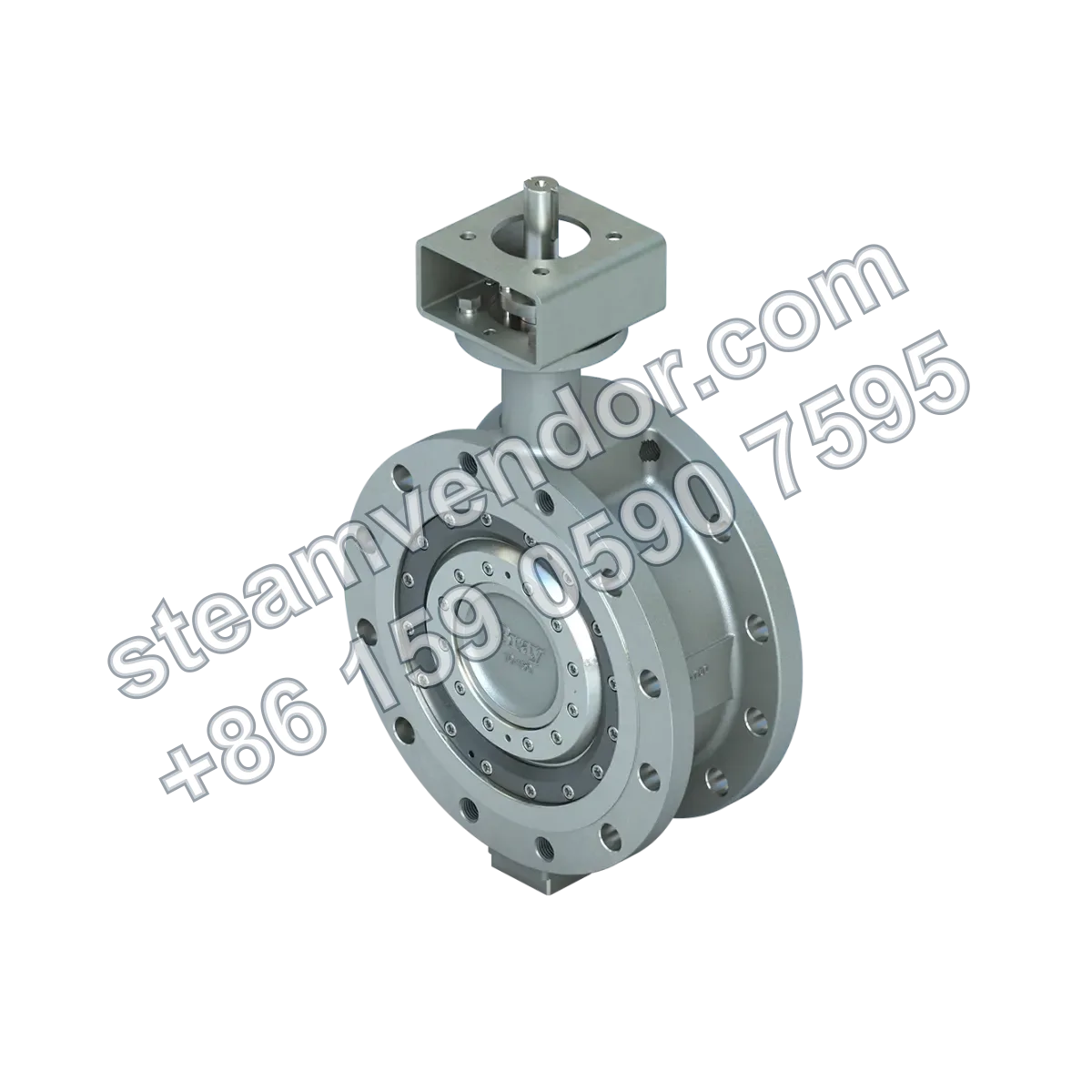
Bray Tri Lok® triple-offset metal-seated butterfly valves use a metal-to-metal torque seal for isolation in extreme service conditions, providing bidirectional zero leakage. The product range covers NPS 3 to 48 and ASME Class 150 to 900, with an operating temperature range of -196°C to 450°C. Multiple body configurations and carbon steel and stainless steel material options are available. The seat and sealing system can be replaced in the field, making the valves suitable for pipelines with stringent sealing, pressure, and temperature requirements.
Tri Lok® triple offset butterfly valve product image
1 / 2
Bray Tri Lok® Triple Offset Metal-Seated Butterfly Valve (Isolation for Extreme Service Conditions)
Triple offset metal-seated butterfly valve for bidirectional isolation in high-temperature, cryogenic, and high-pressure service conditions.
Genuine product assurance
We can help verify product data and purchasing details.
Model confirmation
Confirm model, connection and key options before ordering.
After-sales support
After-sales communication support is provided according to the order agreement.
Specifications
- Valve Type
- Triple offset butterfly valve
- Nominal Size Range
- NPS 3 to 48 / DN 80 to 1200; larger sizes available on request
- Operating Temperature Range
- -320°F to 842°F (-196°C to 450°C); higher temperatures available on request
- Pressure Rating
- ASME Class 150, 300, 600, 900; EN 1092 PN 10, 16, 25, 40, 63, 100, 150
- Body Type
- Lug, wafer, double-flanged, gate, butt-weld
- Body Material
- Carbon steel, stainless steel; other materials available on request
- Disc Material
- Carbon steel, stainless steel; other materials available on request
- Stem Material
- 17-4PH, 410 stainless steel, XM-19 (Nitronic 50)
- Seat Material
- Hardened 316 stainless steel
- Seal Type
- Metal-to-metal torque-seated seal
- Leakage Class
- Bidirectional zero leakage
- Design Standards
- API 609, ASME B16.34, ASME VIII, API 600
- Flange Drilling Standards
- ASME B16.5, ASME B16.47, EN 1092, ISO 7005
- Testing Standards
- ISO 5208, EN 12266-1, API 6D, API 598, BS 6755
- Face-to-Face Standards
- API 609, ASME B16.10, ISO 5752, EN 558
- Fugitive Emissions Standards
- ISO 15848-1, API 641, TA Luft
- Fire-Safe Certification
- API 607, ISO 10497
- Safety Integrity Level Capability
- SIL 3
- Explosion Protection Certification
- ATEX
- Seat and Seal System
- Field-replaceable
Selection points
Triple-Offset Low-Friction Design
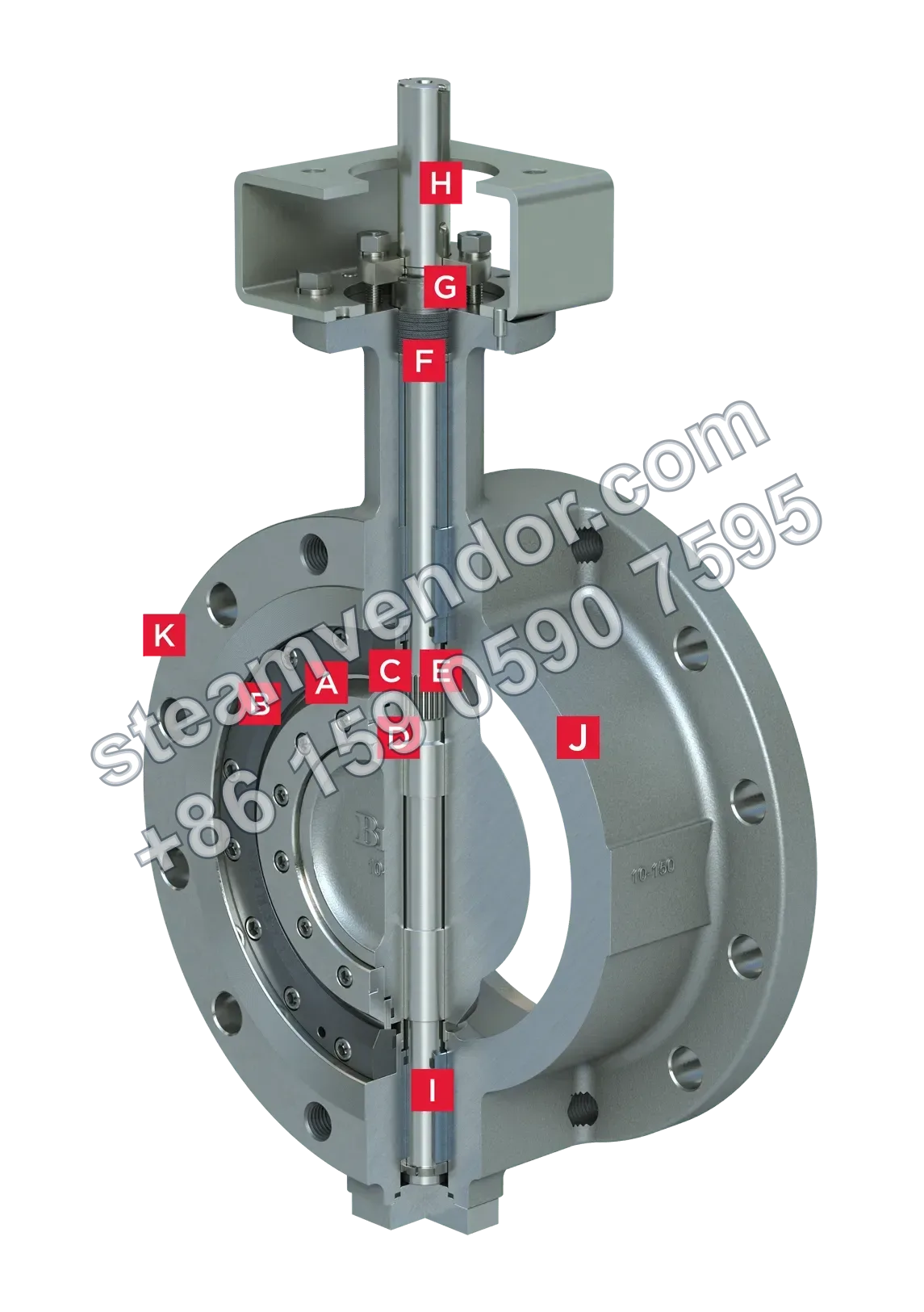
Cam-style triple-offset geometry reduces frictional contact between the valve seat and sealing ring during opening and closing to minimize wear.
Bidirectional Zero-Leakage Metal-to-Metal Seal
A metal-to-metal torque seal with a hardened 316 stainless steel seat provides bidirectional zero-leakage sealing.
Splined Disc-to-Stem Connection
A splined disc/stem connection prevents misalignment between the disc and stem, accommodates axial movement, and maintains seal integrity.
Isolation Capability Across a Wide Temperature and Pressure Range
Operating temperature range: -196°C to 450°C. Pressure ratings cover ASME Class 150 to 900, making it suitable for high-temperature, cryogenic, and high-pressure isolation applications.
Field-Replaceable Seat and Sealing System
The seat and sealing system can be replaced in the field.
Installation & maintenance notes
Verify Compatibility Between Mating Flange Standards and Valve Connection Type
Before installation, verify that the standards and dimensions of the on-site mating flanges match the valve configuration. The valve is available in lug, wafer, and double-flanged body designs and is compatible with ASME B16.5, ASME B16.47, EN 1092, and ISO 7005 flange drilling standards.
FAQ
How does the Tri Lok® triple offset butterfly valve work?
Tri Lok® uses cam-action triple offset geometry to provide low-friction contact between the sealing surface and seat, reducing wear while achieving bidirectional zero-leakage sealing. The valve provides axial movement during opening and closing, and its seal system is field-replaceable to ensure stable long-term sealing performance.
How should Tri Lok® be selected for high-temperature, high-pressure service?
Selection should consider parameters including the temperature range, maximum allowable working pressure, body material, and stem material. Seal rating, seat material, and applicable testing and certification requirements should also be matched to the specific service conditions. Final configuration must be confirmed according to the actual model and application conditions.
What are the main technical advantages of Tri Lok® compared with conventional butterfly valves?
Key features include a frictionless metal-to-metal seal, field-replaceable seat and seal components, a splined disc-to-stem connection to prevent misalignment, and field-adjustable stem sealing. These features improve sealing reliability, ease of maintenance, and long-term stability.
What typical applications are suitable for Tri Lok®?
Typical applications include bulk liquid storage, oil and gas, liquefied natural gas storage and transportation, steam distribution, power generation, geothermal steam, chemical processing, and water treatment, including high-temperature, high-pressure, and other extreme-service conditions.
What field maintenance options does Tri Lok® provide for installation and maintenance?
Field-replaceable seat and seal systems, adjustable stem packing, a splined disc-to-stem connection, and a design enabling on-site axial stem movement help reduce downtime and minimize off-site maintenance requirements.
Documents
Certification - SIL Trilok and S98Product information · EnglishCertification - SIL TriLokProduct information · EnglishApplication Guide - Triple Offset Butterfly Valves for Bulk StorageProduct information · EnglishApplication Guide - Steam Turbine Isolation and Anti-Surge ValvesProduct information · EnglishIOM Manual - Tri Lok® Triple Offset ValveManual · EnglishIOM Manual - Triple Offset Cryogenic Butterfly ValveManual · EnglishIOM Manual - Triple Offset Valve Tri Lok®Manual · ChineseIOM Manual - Tri Lok® Triple Offset Valve (European Version)Manual · EnglishIOM Manual - Tri Lok® Triple Offset Butterfly Valve (EU Version)Manual · EnglishIOM Manual - Tri Lok® Triple Offset ValveManual · EnglishProduct Guide - Total Cost of Ownership for Triple Offset Butterfly ValvesProduct information · EnglishProduct Guide - Tri Lok® Triple Offset Valve Assembly GuidelinesProduct information · EnglishProduct Guide - Advantages of the Tri Lok® Triple Offset ValveProduct information · EnglishProduct Guide - Advantages of Triple Offset Butterfly ValvesProduct information · EnglishSafety Manual - Triple Offset Butterfly ValveManual · EnglishSelection Guide - Tri Lok® Triple Offset Valve Sizing and Actuator Selection GuidelinesProduct information · EnglishTechnical Sales Manual - Tri Lok® Triple Offset Butterfly ValveManual · EnglishTechnical Sales Manual - Tri Lok® Triple Offset Butterfly Valve - CxManual · EnglishTechnical Sales Manual - Tri Lok® Triple Offset Butterfly Valve - CxManual · EnglishTechnical Sales Manual - Tri Lok® Triple Offset ValveManual · EnglishSales Data Sheet - TRI LOK® Series Triple Offset Butterfly ValveProduct information · ChineseSales Data Sheet - TRI LOK® Series Triple Offset Cryogenic Butterfly ValveProduct information · ChineseSales Data Sheet - Fast-Response Valve Solutions for HIPPS RequirementsProduct information · EnglishSales Data Sheet - Tri Lok® Series Triple Offset Butterfly ValveProduct information · EnglishIOM Manual - Tri Lok® Triple Offset Butterfly Valve (EU Version)Manual · EnglishSales Data Sheet - Tri Lok® Series Triple Offset Butterfly ValveProduct information · EnglishSales Data Sheet - Tri Lok® Series Triple Offset Butterfly ValveProduct information · EnglishRecommended Specification - Triple Offset Butterfly ValveProduct information · English