

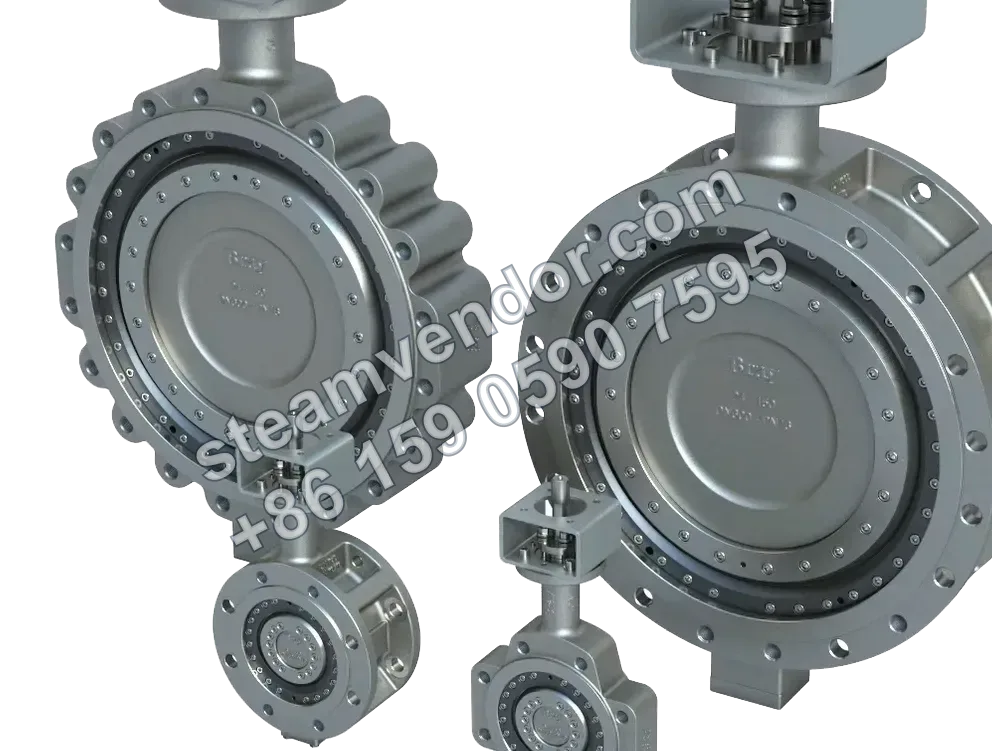
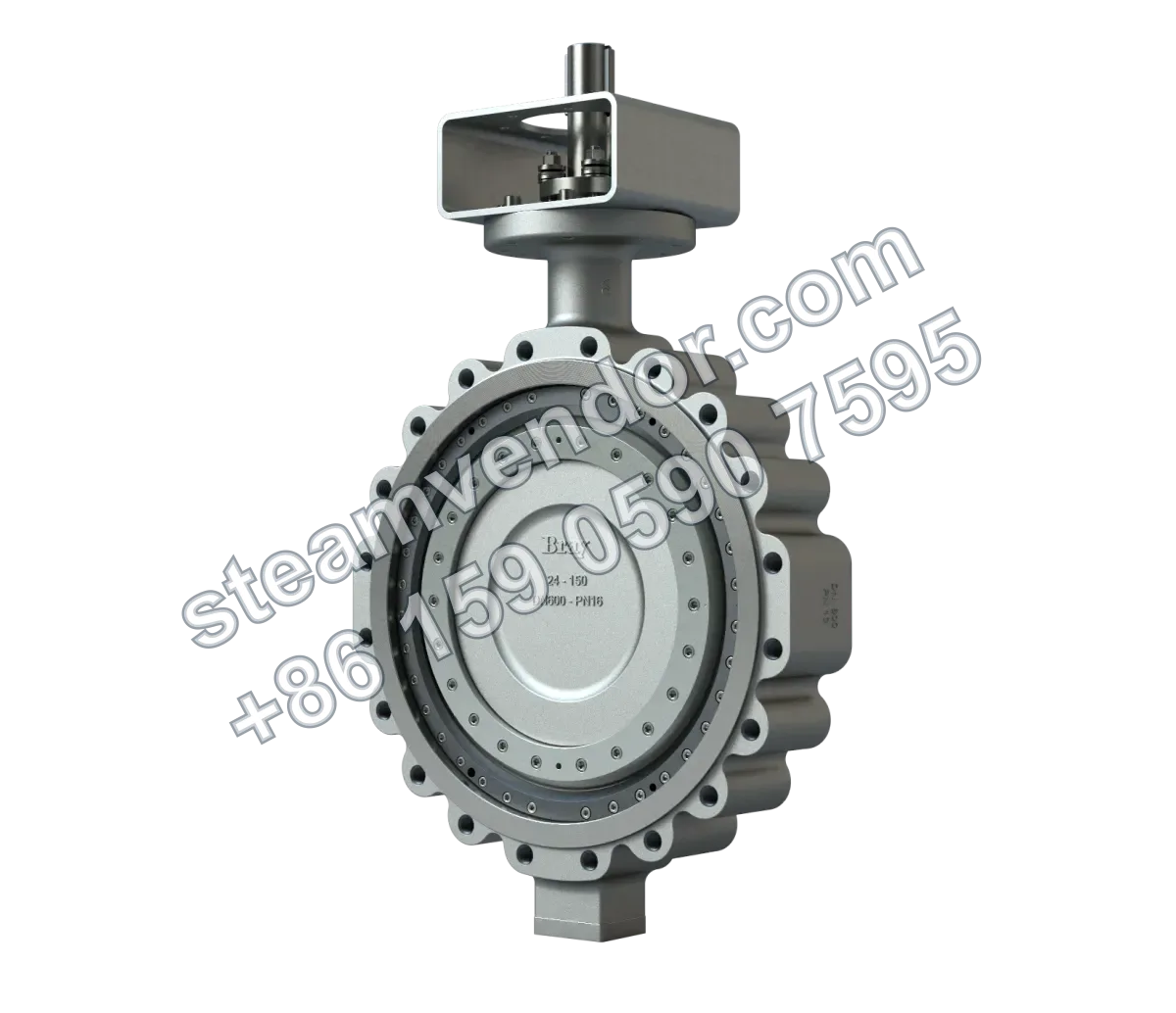
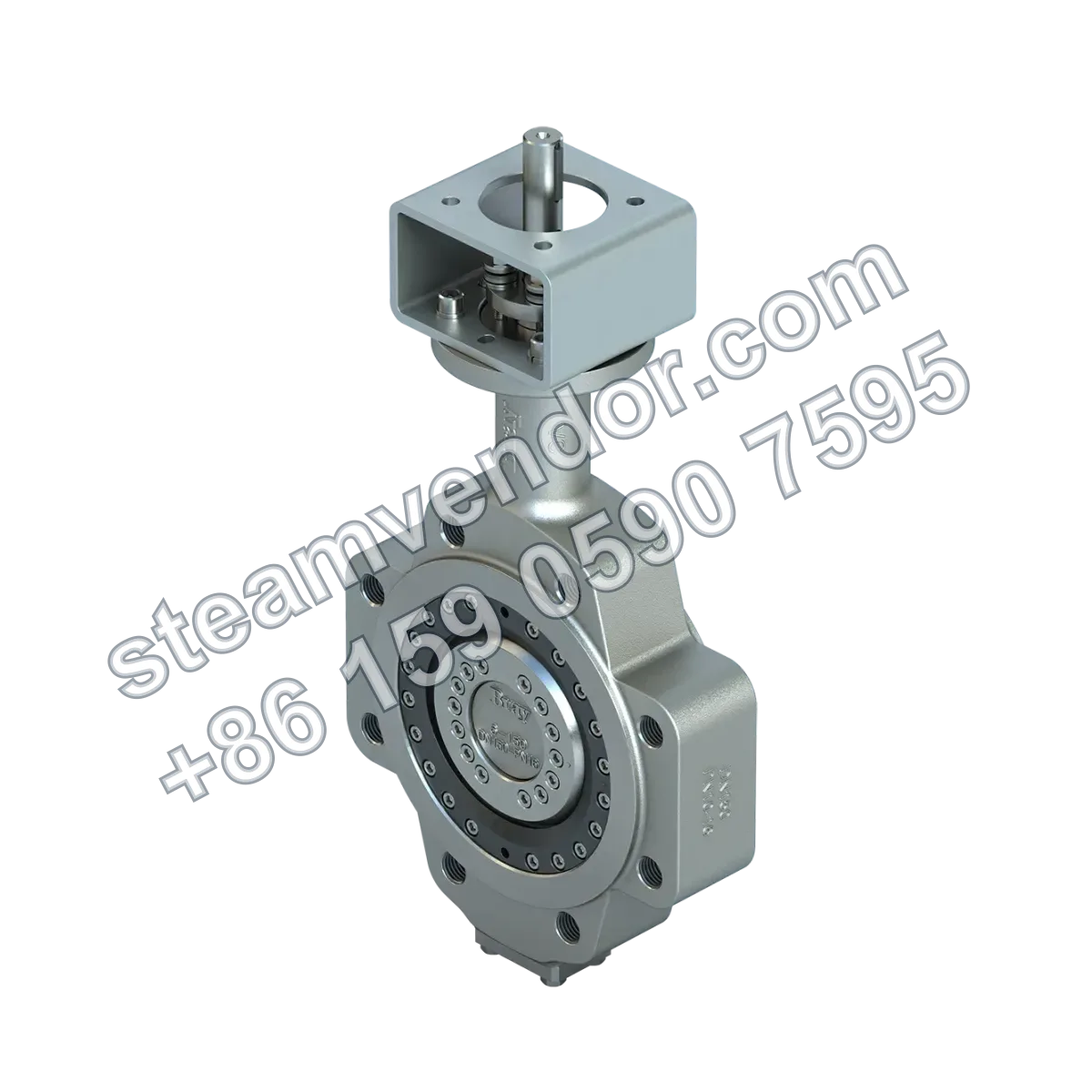
Bray Tri Lok®-Cx is a triple-offset butterfly valve featuring a frictionless metal-to-metal seal for bidirectional zero-leakage shutoff in accordance with EN 12266 Rate A. Available in sizes DN 80 to 600, it is suitable for service temperatures from -60°C to 400°C and pressures up to 40 bar, with Lug or double-flanged bodies. It is designed for isolation and shutoff in chemical and petrochemical plants, LNG facilities, power generation steam systems, and geothermal steam pipelines.
Triple Offset Tri Lok®-Cx product image
1 / 3
Bray Tri Lok®-Cx Triple Offset Butterfly Valve (Zero-Leakage Metal Seat)
Triple offset butterfly valve for high- and low-temperature pipeline isolation, featuring a non-friction metal seat.
Genuine product assurance
We can help verify product data and purchasing details.
Model confirmation
Confirm model, connection and key options before ordering.
After-sales support
After-sales communication support is provided according to the order agreement.
Specifications
- Size Range
- DN 80 to 600
- Temperature Range
- -60°C to 400°C
- Maximum Allowable Operating Pressure
- 40 bar
- Body Type
- Lug | Double Flange
- Seat Leakage Class
- EN 12266 Rate A (bidirectional zero leakage)
- Top Flange Standard
- ISO 5211
- Flange Drilling Standard
- EN 1092-1 PN 10 | PN 25 | PN 40
- Safety Integrity Level
- IEC 61508 Level 3 (SIL 3 capable)
- Fugitive Emissions Standard
- ISO 15848-1 | TA-Luft VDI 2440
- Explosion Protection Certification
- ATEX (2014/34/EU)
- Body Material
- Carbon Steel | Stainless Steel
- Disc Material
- Carbon Steel, Stainless Steel
- Stem Material
- 410 Stainless Steel, XM-19 (Nitronic® 50)
- Seat Material
- Stainless Steel (Hardened)
- Sealing System Type
- Non-rubbing Metal-to-Metal (fire-safe)
Application scenarios
Chemical and Petrochemical Process Line Isolation
For pipeline shutoff and isolation in chemical and petrochemical processes. Features a non-friction metal-to-metal seal with bidirectional zero leakage and complies with ISO 15848-1 and TA-Luft VDI 2440 fugitive emissions requirements.
LNG Liquefaction and Cryogenic Storage and Transportation System Isolation
For isolation shutoff in LNG liquefaction and cryogenic storage and transportation systems. Product documentation explicitly lists LNG/Liquefaction applications, a temperature range down to -60°C, a non-friction metal seal, and bidirectional zero-leakage shutoff.
Steam Network Isolation in Power Generation Facilities
For isolation in steam systems at power generation facilities. Product documentation explicitly lists Power Generation applications, supports temperatures up to 400°C, uses a metal-seated design, and is certified by fire testing.
Geothermal Steam System Isolation
For pipeline isolation in geothermal steam systems. Product documentation explicitly lists Geothermal Steam applications, is suitable for high-temperature operating conditions, and provides a non-friction metal seal with bidirectional zero-leakage shutoff.
Selection points
Triple-Eccentric, Frictionless Metal-to-Metal Seal
Features a triple-eccentric design and a frictionless metal-to-metal sealing system to reduce seal-face friction during opening and closing while achieving tight shutoff with lower operating torque.
EN 12266 Rate A Bidirectional Zero-Leakage Shutoff
Product documentation specifies EN 12266 Rate A bidirectional zero leakage, suitable for applications requiring bidirectional media isolation.
-60°C to 400°C and 40 bar Operating Range
The design temperature range is -60°C to 400°C, with a maximum allowable operating pressure of 40 bar, making it suitable for industrial isolation applications with broad temperature and pressure requirements.
Fire-Tested Metal Seal
The product's metal sealing system has passed fire testing and can serve as a selection basis for media isolation applications with fire-safety requirements.
SIL 3 Safety Integrity Capability
The product provides IEC 61508 SIL 3 capability and can be considered as one of the valve selection criteria where safety instrumented functions require evaluation.
Installation & maintenance notes
Verify Actuator Mounting Interface Compatibility
The valve top flange complies with ISO 5211. When installing an actuator or gearbox, verify compatibility with the valve mounting interface to ensure proper valve operation.
FAQ
What is the operating principle of Tri Lok®-Cx?
Tri Lok®-Cx achieves bidirectional zero-leakage sealing through a non-rubbing metal seal. The seat and seal can be replaced in the field, while the triple offset body design provides efficient media isolation and is fire-tested certified for fire scenarios. Its operating principle is based on the design concept of its seat sealing system.
Which key parameters should be considered when selecting this valve?
Key considerations include the size range (DN 80–600), temperature range (-60°C to 400°C), maximum allowable operating pressure (40 bar), body type (lug or double flange), leakage test standard (bidirectional zero leakage, EN 12266 A), design and material standards, and applicable international standards and directives. Final selection should be confirmed based on actual operating conditions and media characteristics.
What are the advantages of Tri Lok®-Cx compared with same-size gate, globe, and ball valves?
At the same size and pressure rating, Tri Lok®-Cx provides space savings and lower costs through its compact profile and lighter weight. It also offers zero-leakage sealing and rapid in-field maintenance, reducing installation and maintenance costs.
What sealing and material features of this valve deserve attention?
Features include field-replaceable seats and seals, wear-resistant seat hardness, a metal-to-metal sealing system, and an optional solid packing ring design, ensuring long-term reliable sealing and durability across a range of operating conditions.
What are the key considerations for installation and maintenance?
Follow maintenance practices for field-replaceable seals and seats. Pay attention to stem and seat alignment and locking conditions, use high-quality packing ring materials for continuous sealing, and ensure installation complies with applicable standards and directives to maintain system safety. Specific maintenance procedures should be confirmed according to the actual model and application conditions.
Documents
Product Brochure - Cx Series Bray ComponentProduct information · EnglishProduct Brochure - Cx Line Our ElementProduct information · EnglishProduct Brochure - Cx Series Bray ComponentProduct information · EnglishProduct Brochure - Cx Line Our ElementProduct information · EnglishDeclaration of Conformity - EU Declaration of ConformityProduct information · EnglishIOM Manual - Triple Offset Butterfly Valve Tri Lok®-CxManual · EnglishIOM Manual - Triple Offset Butterfly Valve Tri Lok®-CxManual · EnglishIOM Manual - Triple Offset Butterfly Valve Tri Lok®-CxManual · EnglishIOM Manual - Triple Offset Butterfly Valve Tri Lok®-CxManual · EnglishIOM Manual - Triple Offset Butterfly Valve Tri Lok®-CxManual · EnglishIOM Manual - Triple Offset Butterfly Valve Tri Lok®-CxManual · EnglishTechnical Sales Manual - Triple Offset Butterfly Valve Tri Lok®-CxManual · EnglishTechnical Sales Manual - Triple Offset Butterfly Valve Tri Lok®-CxManual · EnglishTechnical Sales Manual - Triple Offset Butterfly Valve Tri Lok®-CxManual · EnglishTechnical Sales Manual - Trilok-Cx Triple Offset Butterfly Valve.Manual · EnglishTechnical Sales Manual - Triple Offset Butterfly Valve Tri Lok®-CxManual · EnglishTechnical Sales Manual - Triple Offset Butterfly Valve Tri Lok®-CxManual · EnglishSales Data Sheet - Triple Offset Tri Lok®-Cx.Product information · EnglishSales Data Sheet - Triple Offset Tri Lok®-Cx.Product information · EnglishIOM Manual - Triple Offset Butterfly Valve Tri Lok®-CxManual · EnglishSales Data Sheet - Triple Offset Tri Lok®-CxProduct information · EnglishSales Data Sheet - Triple Offset Tri Lok®-CxProduct information · EnglishSales Data Sheet - Triple Offset Tri Lok®-CxProduct information · English