

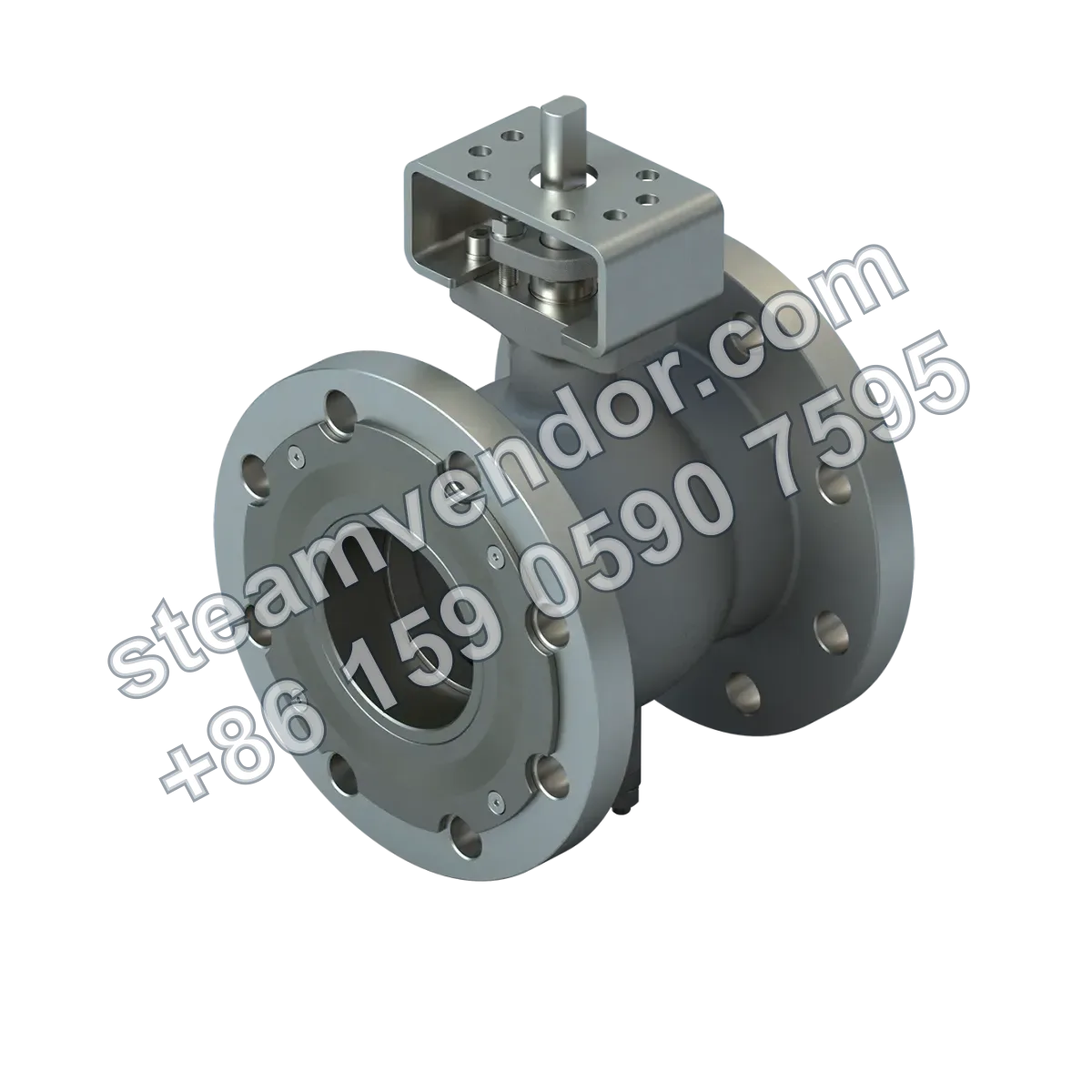
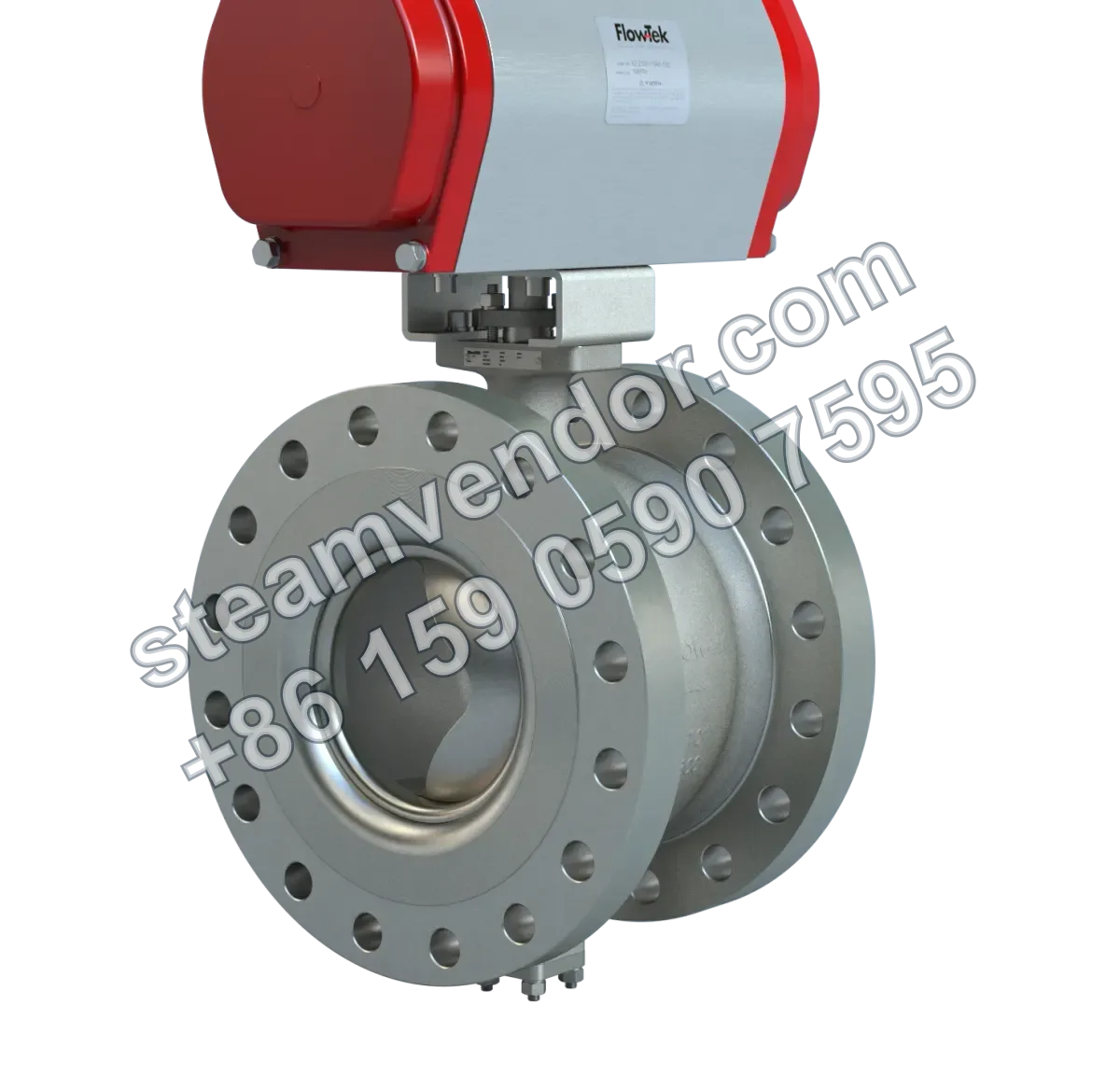
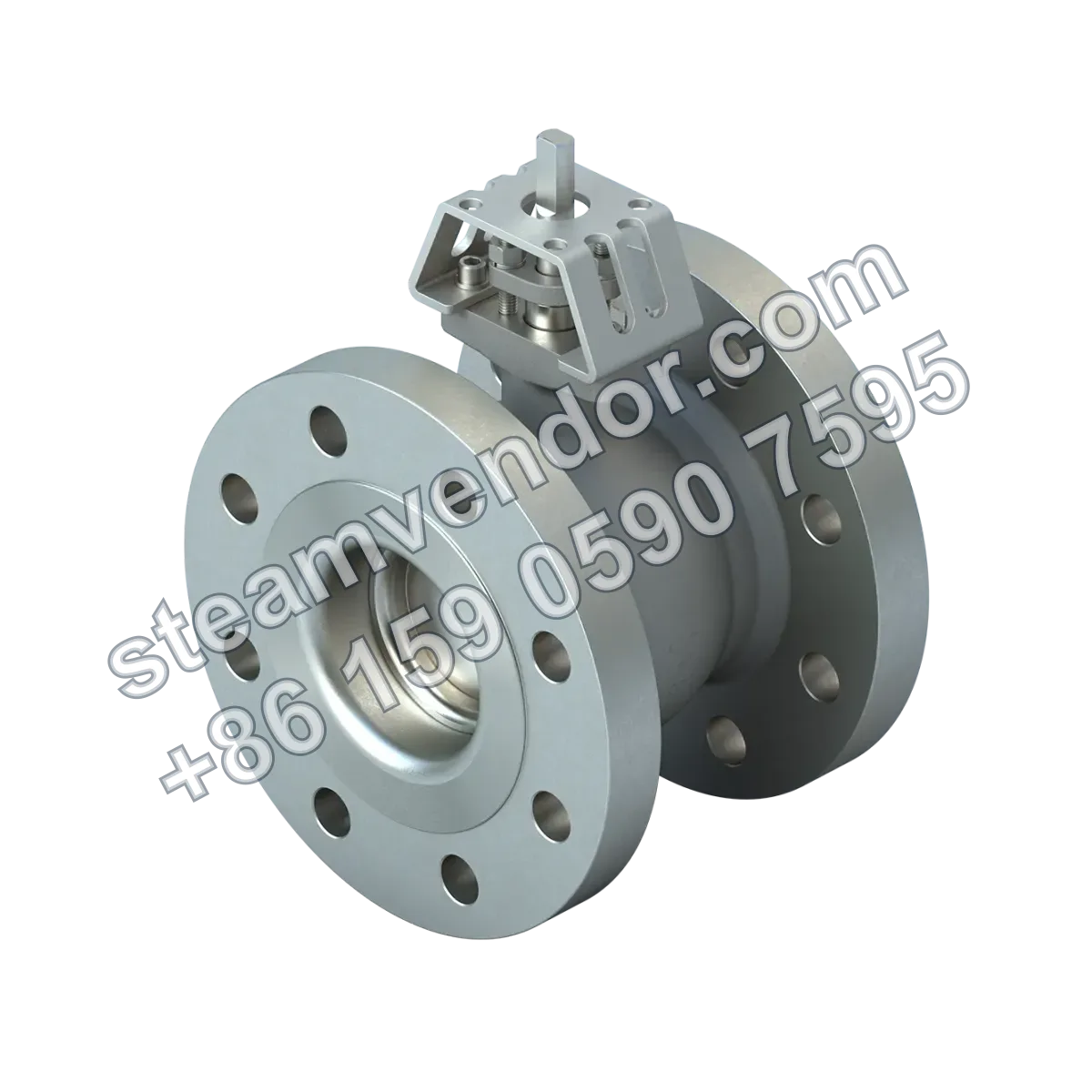
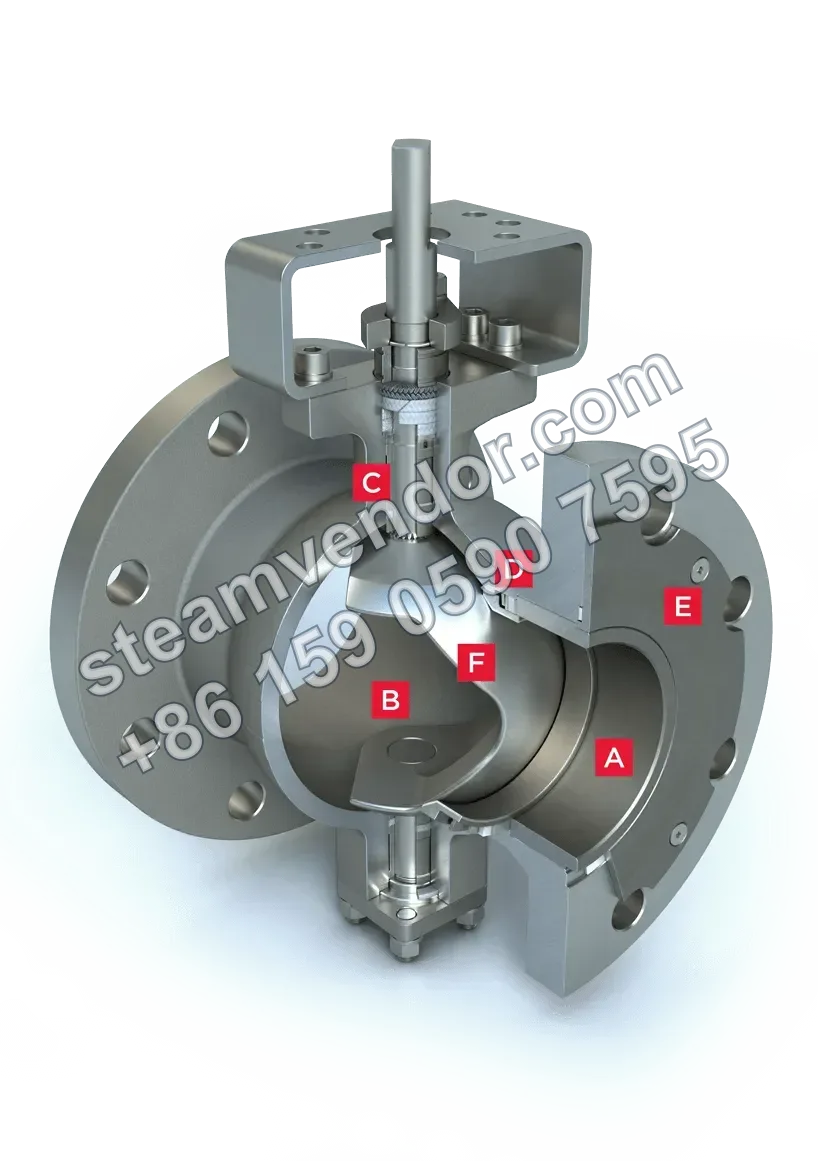
Bray Series 19/19L segmented ball valves are designed for throttling and on/off control and are available in NPS 1 to 16 (DN 25 to 400) sizes. This series features a one-piece cast valve body, blowout-proof stem, and spring-assisted pressure-balanced seat, with flanged or wafer connections available. S19 is rated for temperatures up to 260°C, while S19L is rated for temperatures up to 425°C. Metal or soft seats can be selected according to operating conditions.
Series 19/19L Segmented Ball Valves Product Image
1 / 4
Bray Series 19/19L Segmented Ball Valve (Throttling and On-Off Applications)
Segmented ball valve for throttling and on-off control, available with metal or soft seats.
Genuine product assurance
We can help verify product data and purchasing details.
Model confirmation
Confirm model, connection and key options before ordering.
After-sales support
After-sales communication support is provided according to the order agreement.
Specifications
- Nominal Size Range
- NPS 1 to 16 / DN 25 to 400
- Operating Temperature Range
- S19: -50°F to 500°F (-46°C to 260°C); S19L: -50°F to 797°F (-46°C to 425°C)
- Maximum Allowable Operating Pressure
- ASME Class 150, 300, 600; EN 1092 PN 10, 16, 25, 40
- Shutoff Class
- Metal seat: IEC 60534-4 / ANSI/FCI 70-2 Class IV; soft seat: IEC 60534-4 / ANSI/FCI 70-2 Class VI
- Body Materials
- Stainless steel (CF8M), carbon steel (WCB), 316L; other materials available on request
- Stem Materials
- 17-4PH, Nitronic 50 (XM-19), super duplex stainless steel, SMO 254 stainless steel
- Ball Materials
- Series 19: stainless steel (CF8M) or CF8M with hard chrome plating; Series 19L: CF8M with proprietary hardfacing
- Seat Materials
- Lined seat: (316) stainless steel with embedded Tek-Fil® (S19); metal seat: (316) stainless steel with Stellite hardfacing (S19 and S19L); solid tungsten carbide (S19L)
- Body Construction
- One-piece cast body
- End Connections
- Flanged, flangeless (wafer)
- Face-to-Face Standard
- Flanged: ANSI/ISA 75.08.02 / ASME B16.10; flangeless: Bray internal standard
- Flow Path Configuration
- Reduced port: 90° (standard), 60°, 30°; custom segmented ball profiles available
- Design Standard
- ASME B16.34
- Shell Test Standard
- API 598
- Seat Leakage Test Standard
- ANSI FCI 70-2
- Certifications
- CRN, ISO 15848, PED, PED(S)R, TR CU, TSG, UA.TR.089
- Seat Design
- Spring-assisted, pressure-balanced seat design
- Stem Construction
- Blowout-proof stem
Selection points
Segmented Ball Valve Design for Both Throttling Control and On/Off Sealing
The 19/19L series uses a segmented ball valve design that combines shearing action, flow control capability, and sealing performance for throttling control and on/off applications.
Spring-Assisted Pressure-Balanced Seat
This series features a spring-assisted, pressure-balanced seat design that maintains effective sealing at low differential pressures and supports smooth, low-torque operation at full differential pressure.
Wear-Resistant Configuration for Highly Abrasive Service in the 19L Series
The 19L series uses a proprietary hard-facing coating on the valve body and segment internal surfaces, along with a field-replaceable corrosion-resistant liner at the downstream port, for high-velocity abrasive media and highly abrasive slurry service.
Multiple Seat and Ball Material Configurations
The 19/19L series offers multiple ball and seat materials and hard-facing configurations, including CF8M, hard chrome plating, proprietary hard-facing coating, Stellite hard facing, and solid tungsten carbide, selectable according to the media and operating conditions.
One-Piece Cast Valve Body with Flanged or Wafer Connections
The 19/19L series features a one-piece cast valve body and is available with flanged or flangeless wafer end connections.
Installation & maintenance notes
End Connection and Piping Compatibility
Before installation, verify that the valve's flanged or flangeless end connection design and nominal size match the piping interface to ensure correct assembly using the applicable connection type.
Pressure Rating and Service Condition Compatibility
During selection and installation, confirm that the valve pressure rating matches the pressure requirements of the actual piping system and mating connection components. Do not exceed the maximum allowable operating pressure rating specified for this series.
FAQ
How do Series 19/19L segmented ball valves operate, and why are they suitable for throttling and sealing applications?
The Series 19/19L uses a spring-assisted, pressure-balanced segmented seat design to provide effective sealing at low differential pressure and ensure smooth, low-torque operation at full differential pressure. The seat design directs media away from the sealing area, improving durability for applications requiring precise throttling and reliable on/off service.
What key parameters should be considered when selecting valves in this series?
Key parameters include size range (NPS 1-16 / DN 25-400), body material, seat material, shutoff class, end connection type, body construction (one-piece), and design and testing standards (ASME B16.34, API 598, ANSI FCI 70-2, etc.). Specific configurations must be confirmed based on the actual model and application conditions.
How does the 19L Series differ from the Series 19 in abrasive slurry and severe-service applications?
The Series 19L provides enhanced abrasion resistance over the standard Series 19. Proprietary coatings and field-replaceable corrosion-resistant liners improve durability, making it suitable for highly abrasive slurries and severe-service conditions.
How do the seat and stem designs affect maintenance and long-term operation?
The seat is self-energizing and replaceable without removing the ball segment and shaft, reducing maintenance complexity and downtime. The splined stem-to-ball-segment connection provides efficient torque transmission and precise control while reducing hysteresis and dead band.
What shutoff performance does this valve series provide?
Metal seats provide Class VI shutoff performance, while soft seats provide Class VI shutoff under specific operating conditions. Coatings and structural designs of the seat and body together improve long-term sealing reliability.
Documents
Product Brochure - Rotary Control Valves BrochureProduct information · EnglishProduct Brochure - Series 19/19L Segmented Ball ValvesProduct information · EnglishProduct Brochure - Series 19/19L V-Port Ball ValvesProduct information · ChineseProduct Brochure - Segmented Ball Valve Type 19/19LProduct information · EnglishProduct Brochure - Series 19/19L Segmented Ball ValveProduct information · EnglishApplication Guide - Steam Turbine Shutoff and Anti-Surge ValvesProduct information · EnglishIOM Manual - Series 19L Segmented Ball Valves.Manual · EnglishIOM Manual - Series 19 Segmented Ball ValvesManual · EnglishIOM Manual - Flow-Tek Segmented Ball Valve, Type 19Manual · EnglishIOM Manual - Flow-Tek Segmented Ball Valve, Type 19LManual · EnglishIOM Manual - Flow-Tek® Series 19 Segmented Ball ValveManual · EnglishSafety Manual - Series 19/19L Segmented Ball ValvesManual · EnglishSelection Guide - Control Valves, Version 2.0Product information · EnglishSelection Guide - Series 19 Part Number Selection GuideProduct information · EnglishSales Data Sheet - Series 19/19L V-Port Control Ball Valves Solutions for Pulp and Paper ApplicationsProduct information · ChineseSales Data Sheet - Segmented Ball Valve Type 19/19LProduct information · EnglishSales Data Sheet - Series 19/19L Segmented Ball Control Valves - Pulp and Paper ApplicationsProduct information · EnglishSales Data Sheet - Series 19/19L Segmented Ball ValvesProduct information · EnglishSales Data Sheet - Series 19/19L Segmented Control Ball ValveProduct information · EnglishSales Data Sheet - Series 19/19L Segmented Ball ValveProduct information · EnglishSales Data Sheet - Series 19/19L Segmented Ball ValveProduct information · EnglishSales Data Sheet - Flow Solutions for the Sugar Industry, Series 19/19L Segmented Control Ball ValvesProduct information · EnglishSales Data Sheet - Series 19/19L Segmented Control Ball Valves for Paper and Pulp ApplicationsProduct information · EnglishSales Data Sheet - Series 19/19L Segmented Ball ValveProduct information · EnglishSales Data Sheet - Series 19/19L Segmented Ball Control Valves for Pulp and Paper ApplicationsProduct information · EnglishSales Data Sheet - Series 19/19L Segmented Ball ValveProduct information · EnglishRecommended Specification - Series 19/19L Segmented Ball ValvesProduct information · EnglishTechnical Bulletin - Ball Valve Actuator Selection GuideProduct information · EnglishTechnical Bulletin - Series 19 Segmented Ball Valve Pressure-TemperatureProduct information · English